We may earn a commission from links you visit through Coupon Snake.
Grocery spending is one of the easiest budgets to lose control of—and one of the hardest to fix without a system. Prices fluctuate, routines change, and small impulse purchases quietly add up.
Smart grocery budgeting tools help bring order to that chaos. When used consistently, they make grocery costs more predictable and easier to manage, often freeing up extra cash each week without requiring major lifestyle changes.
Why Grocery Overspending Happens So Easily
Most people overspend on groceries for practical reasons, not poor habits. Shopping decisions are often made when time is limited, energy is low, or meals haven’t been planned in advance.
When a plan is supported by the right smart grocery budgeting tools—lists, reminders, and price visibility—guesswork disappears. Decisions become simpler, faster, and more intentional.
The goal isn’t restriction. It’s consistency.
https://www.youtube.com/watch?v=lye4lbWAK7Y
This video breaks down seven common grocery shopping mistakes—from overbuying produce to skipping budgeting and inventory checks—showing how small, everyday habits quietly lead to overspending and why planning and tracking tools make such a difference. Video by Rachel Cruze — “7 Reasons You’re Grocery Shopping the Wrong Way”.
The Core Grocery Budgeting Tools That Actually Matter
You don’t need dozens of apps or complex spreadsheets. Most smart grocery budgeting tools fall into a few core categories that work best when used together.
1. Meal Planning and Grocery List Tools
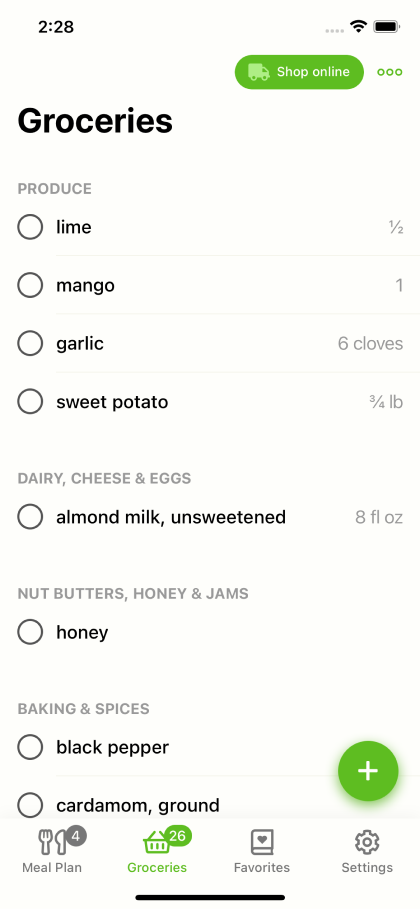
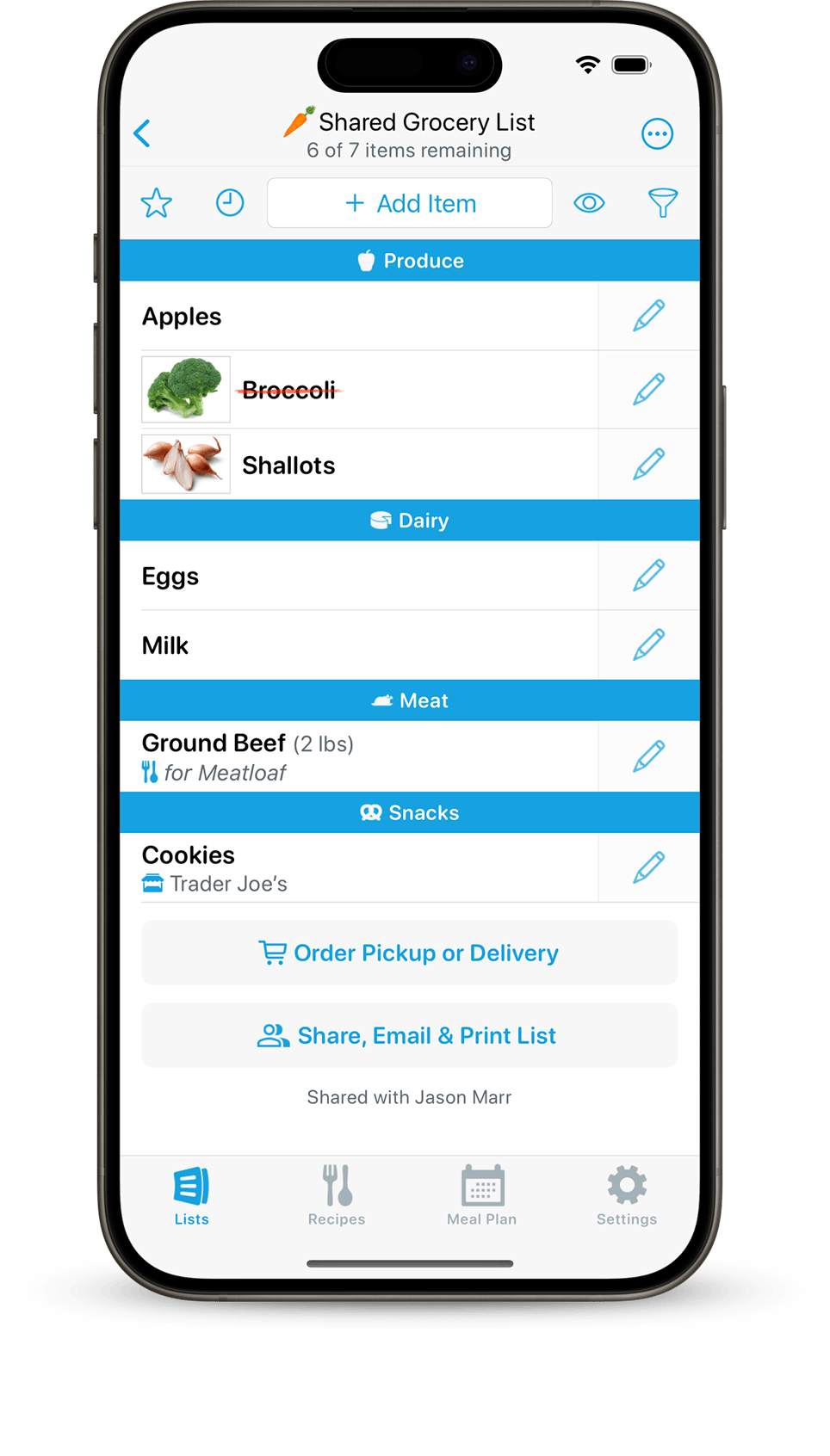
Meal planning tools help you decide what you’ll cook before you shop. This reduces food waste and cuts down on unnecessary store runs.
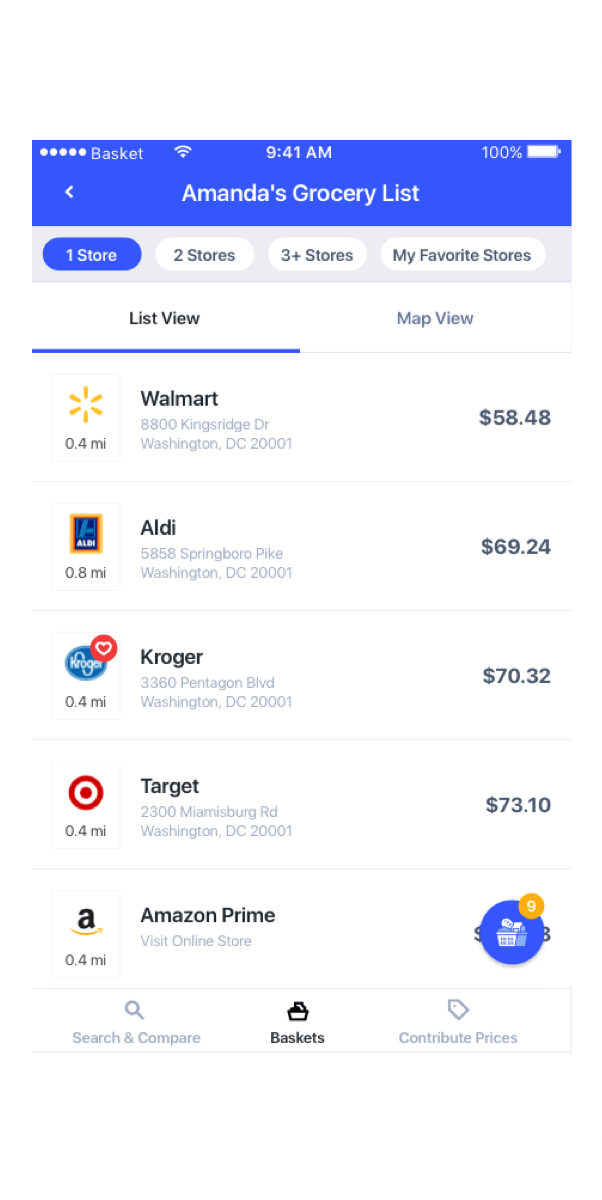
Compares grocery prices across nearby stores using a shopping list
Price data may vary by location
Shows estimated total cart cost by store
Some stores are not included
Helps identify the cheapest store for a full trip
Updates may lag behind real-time pricing
Useful for price-conscious planning
Even small price differences add up over time, particularly once grocery planning becomes part of building consistent weekly routines rather than an occasional effort.
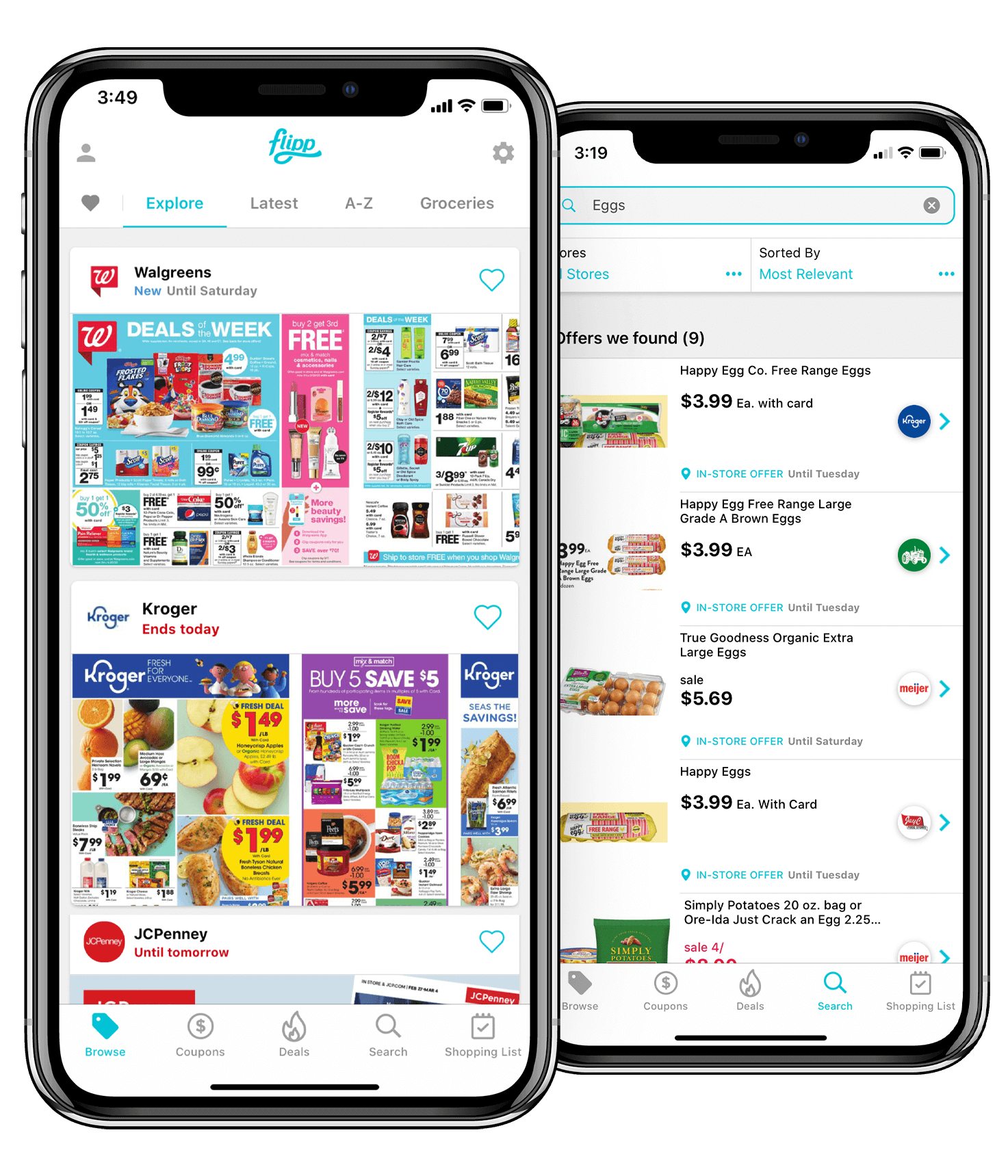
Flipp and Basket help shoppers compare grocery prices across stores and track weekly deals in one place—making it easier to spot lower prices, avoid overpaying for everyday items, and stretch a grocery budget further each week.
3. Cash-Back and Rewards Tools
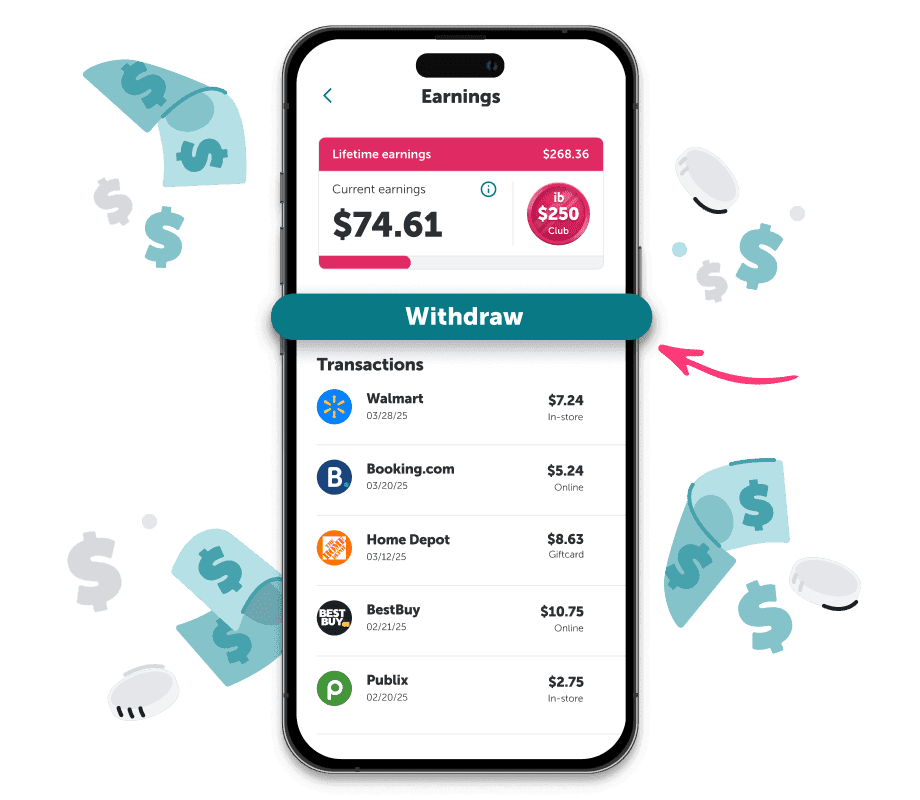
Cash-back tools offer post-purchase savings on groceries and household staples. The key is using them selectively—after purchases you already planned to make.
Over time, these savings can be redirected toward priorities like investing in your health wisely instead of disappearing into higher grocery bills.
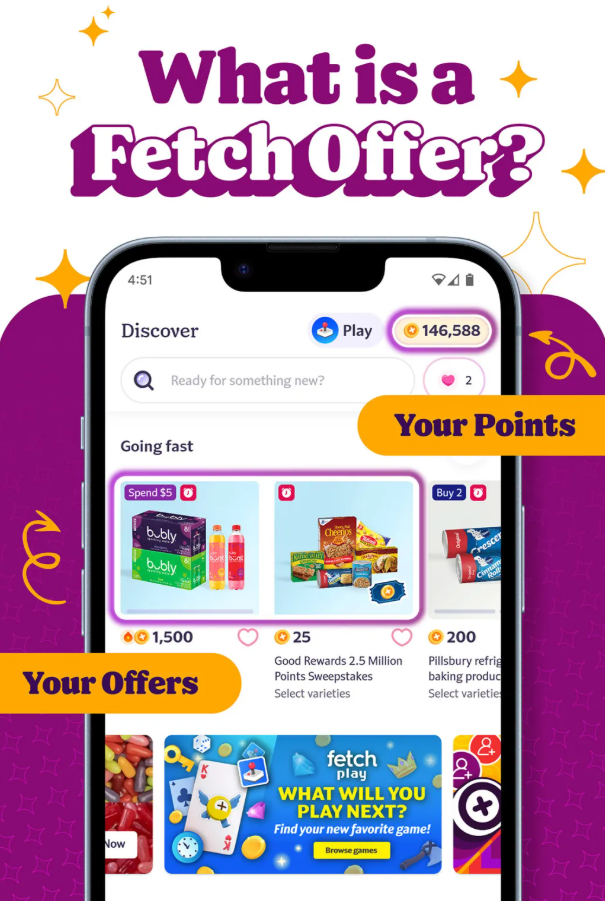
Ibotta and Fetch reward shoppers for groceries they’re already buying, turning receipts into cash back or points that help offset weekly grocery costs without changing shopping habits.
How These Tools Work Together to Reduce Weekly Spending
Each tool addresses a different part of the grocery spending cycle.
Meal planning reduces waste. Price tracking prevents overpaying. Cash-back tools recover money after the purchase.
Used together, smart grocery budgeting tools form a system that supports better decisions without constant monitoring. The time and mental energy saved often extend to other time-saving essentials that simplify daily routines.
The most common issue isn’t choosing the wrong tool—it’s not reviewing results.
You don’t need daily tracking. A brief weekly check-in is enough to spot patterns, adjust habits, and stay aware without turning budgeting into a chore.
That awareness often carries over into other areas of life, reinforcing long-term self-care choices that balance health, convenience, and cost.
https://www.youtube.com/watch?v=_s69Md-QC9Y
This video walks through a practical grocery-spending review process—from tracking receipts and categorizing purchases to reconciling monthly totals—showing how reviewing real data helps identify waste, adjust habits, and strengthen a grocery budgeting system over time. Video by Refilwe Matshivha — “A Grocery Saving Strategy | How to Track Your Grocery Spending”.
Final Thoughts
Saving money on groceries doesn’t require extreme frugality or cutting out foods you enjoy. Smart grocery budgeting tools make it easier to plan ahead, spend intentionally, and adjust as needed.
Start with one meal planning tool, one price tracker, and one cash-back app. Use them consistently for a few weeks.
The savings tend to appear quietly—but reliably—week after week.
Saving money used to feel simple. You made a budget, cut a few extras, stayed disciplined, and watched your balance grow. Now it can feel like your s...
Every month, the same pattern repeats. An internet bill inches upward. A phone plan adds a fee you don’t remember approving. A subscription renews be...
Managing money has never been more challenging, or more intelligent. Rising expenses, shifting priorities, and smarter tech mean that staying on top...