We may earn a commission from links you visit through Coupon Snake.
Managing money has never been more challenging, or more intelligent. Rising expenses, shifting priorities, and smarter tech mean that staying on top of your finances requires more than discipline; it demands systems that adapt. That’s where an AI savings planner comes in—a tool designed to automate decisions, personalize strategies, and help you save without constant mental effort.
Unlike traditional budgeting that relies solely on willpower, AI-powered tools consider your habits, patterns, and financial goals in real time. This guide explains exactly how it works, why it’s more effective than manual systems, and how to implement it so your finances work for you rather than against you.
What Is an AI Savings Planner and How It Works
To begin with, an AI savings planner is more than just a digital ledger—it’s an intelligent system that learns from your financial behavior. It tracks your income, spending, and savings habits, then uses algorithms to provide actionable recommendations tailored to your life.
Unlike envelope budgeting or static spreadsheets, which require manual tracking and often fail to adapt to unexpected expenses, an AI savings planner dynamically adjusts to your situation. For example, if a bill comes due unexpectedly, the system can suggest shifting a small portion of discretionary spending to ensure your savings goals remain on track.
Core capabilities include the following.
Predicting spending patterns: By analyzing your history, it anticipates where you might overspend and flags areas for adjustment. This helps prevent financial surprises and reduces stress.
Automating savings transfers: The system moves money into savings automatically without disrupting cash flow, eliminating the need for constant manual transfers.
Tracking and adjusting goals: Financial goals are not static. AI adjusts recommendations based on your actual habits, helping you stay realistic and motivated.
In short, the AI savings planner removes guesswork and rigid rules, replacing them with adaptive, intelligent strategies that evolve as your financial life changes.
https://www.youtube.com/watch?v=C26Y4moM1Ok
By showing how AI interprets spending patterns and turns them into practical money decisions, this video will help you visualize the analytical logic behind modern savings automation. (Video: “AI Changed My Finances—Here Are the Exact Prompts I Use” by Robyn Smith).
Benefits of Using an AI Savings Planner
The biggest advantage of an AI savings planner is how it combines automation with behavioral insights. The tool doesn’t just manage numbers—it actively supports better decision-making.
Less decision fatigue: Routine money decisions are handled automatically, freeing your mental energy for other priorities. Decision fatigue is a major reason many people abandon traditional budgeting, so removing this barrier increases long-term success.
Personalized guidance: Recommendations evolve with your habits. For instance, if you regularly spend more on groceries at the end of the month, the AI planner can suggest adjusting weekly transfers so you stay on track.
Better outcomes through small changes: Instead of drastic cuts that are hard to maintain, AI focuses on consistent, incremental improvements. This aligns with research showing that small, sustainable behavior changes are more effective than extreme restrictions.
By integrating these benefits, the AI planner complements proven strategies like changing one weekly habit to save money, which ensures progress is steady and achievable.
https://www.youtube.com/watch?v=P4cJdRuEHTk
This video shows how daily use of finance apps helps track budgets, investments, and savings goals, illustrating how intelligent tools can simplify money management and support smarter financial decisions. (Video: “The 3 Finance Apps I Use Every Day” by Rob Berger).
Choosing the Right AI Savings Planner
With these benefits in mind, choosing the right AI savings planner is critical to making it work for your financial situation. Not all planners offer the same level of sophistication or usability.
Automation depth: Some tools only provide suggestions, while others can move money automatically, directly impacting how quickly you reach goals.
Usability: A complex interface can discourage consistent use. The right planner should provide insights clearly and allow you to act on them immediately.
Accuracy: AI recommendations are only as good as the data behind them. Accurate syncing with bank accounts ensures insights reflect reality.
Cost: While free planners exist, premium subscriptions often include advanced predictive analytics and better automation features. The cost should match the value you receive.
Selecting a planner that fits these criteria ensures that all features, from automation to behavioral insights, work together effectively. This makes implementation smoother, which leads to measurable results.
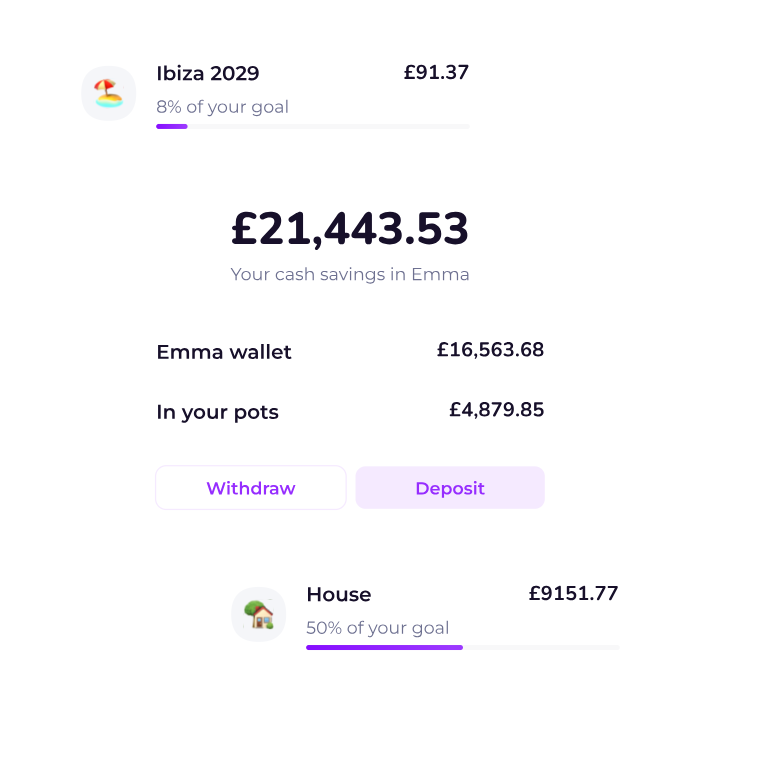
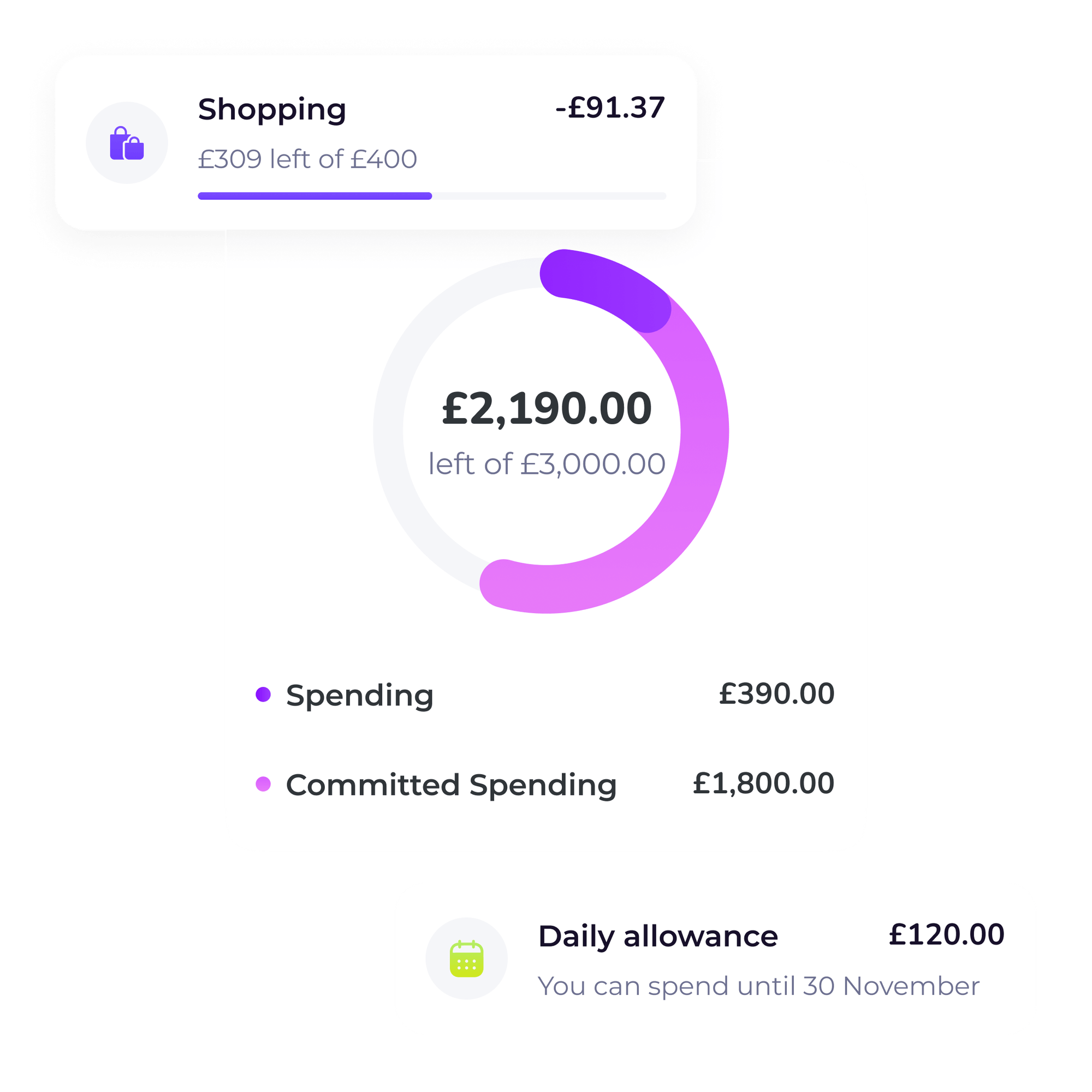
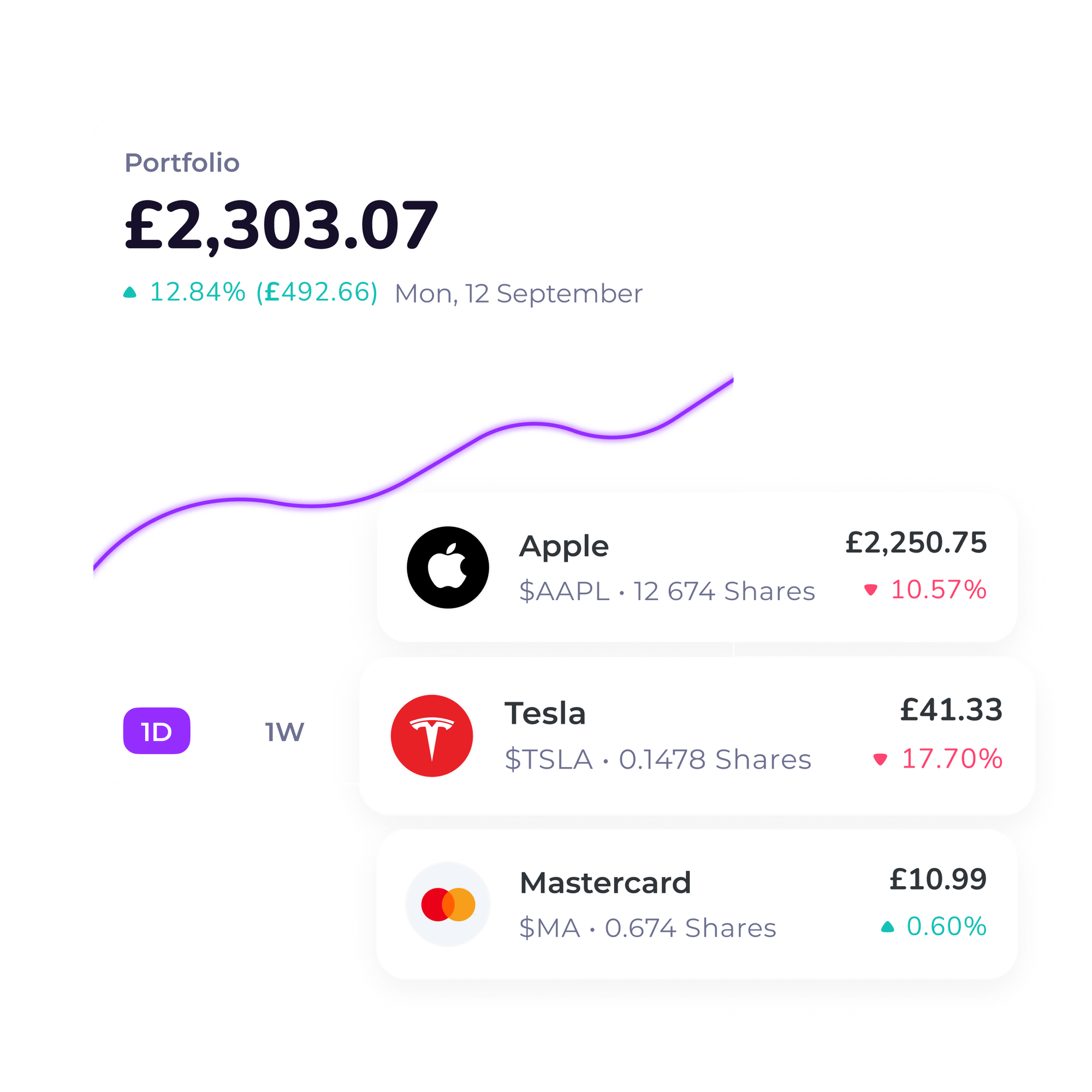
Emma shows how an AI savings planner can simplify everyday finances, from tracking spending and managing budgets to setting savings goals, making payments, investing, and even boosting credit—all while keeping data secure.
How to Use an AI Savings Planner Effectively
Even the best tools require intentional use to maximize benefits. AI can suggest moves, but your decisions determine success.
Set clear, realistic goals: Whether for an emergency fund, vacation, or long-term investment, goals provide direction for the AI system to optimize your savings.
Connect relevant accounts: Accurate, real-time data allows the planner to make smarter recommendations and prevent errors in cash flow.
Pair AI insights with intentional habits: High-impact categories like groceries or subscriptions benefit from small, repeated actions. For example, combining AI guidance with saving money on groceries with a weekly plan ensures automated suggestions are supported by real-world habits.
Consistency is more valuable than constant tweaking. The planner becomes more effective as it learns from stabilized habits, helping your financial decisions become almost automatic over time.
https://www.youtube.com/watch?v=1mMZQzDhlfI
See how AI and budgeting apps can help you set and manage a smarter budget by automating expense tracking, goal alignment, and financial decision-making — illustrating practical ways to use AI tools effectively. (Video: “How to use AI and free apps to build a better budget in 2025” by TODAY).
Common Pitfalls to Avoid
However, even intelligent tools can be misused if basic principles are ignored:
Blind trust: AI provides guidance, but final decisions should remain yours. Understanding the logic behind recommendations prevents mistakes.
Ignoring security: Always enable two-factor authentication and review privacy settings to safeguard sensitive financial data.
Expecting instant results: AI accelerates progress but cannot replace consistent, deliberate actions. Unrealistic expectations can lead to disappointment and abandonment of the system.
Recognizing these pitfalls ensures your planner is a powerful ally rather than a source of frustration.
https://www.youtube.com/watch?v=5Qak6cv18FM
This video highlights the limits of relying too heavily on AI for financial decisions, explaining why tools can support planning but shouldn’t replace judgment, context, or accountability. Video: “8 COSTLY Mistakes Using AI For Your Finances” by Craig Wear, CFP®.
Make an AI Savings Planner Work for You
By now, it’s clear how an AI savings planner can simplify budgeting, automate decisions, and support lasting habits. Many users find that once their day-to-day savings run smoothly, they naturally expand into broader strategies by combining AI-driven planning with intentional habits and options like passive income investments that keep earning while you’re busy living your life. This shift, from managing every dollar manually to directing your money strategically, is where true financial confidence takes root.
Getting started is simple: pick a planner that fits your lifestyle, connect your accounts, and let automation handle the heavy lifting. Review insights periodically, adjust goals as your situation evolves, and let consistent actions compound over time.
Put your AI savings planner to work now, and make 2026 the year your money starts working for you—not the other way around.
Grocery spending is one of the easiest budgets to lose control of—and one of the hardest to fix without a system. Prices fluctuate, routines change,...
Saving money used to feel simple. You made a budget, cut a few extras, stayed disciplined, and watched your balance grow. Now it can feel like your s...
Every month, the same pattern repeats. An internet bill inches upward. A phone plan adds a fee you don’t remember approving. A subscription renews be...