
Smart Grocery Budgeting Tools That Put Extra Cash In Your Wallet Every week
Grocery spending is one of the easiest budgets to lose control of—and one of the hardest to fix without a system. Prices fluctuate, routines change,...

Every month, the same pattern repeats. An internet bill inches upward. A phone plan adds a fee you don’t remember approving. A subscription renews because canceling felt easier to postpone than to finish.
Most people sense they’re overpaying. What they lack is certainty — where the money is leaking, how much they could realistically save, and whether negotiating would even work. Bill negotiation apps exist to close that gap.
At their best, these tools do more than shave dollars off a statement. They identify which bills are flexible, handle the back-and-forth most people avoid, and make recurring expenses visible instead of abstract. The savings matter, but so does the reduced mental load.
This guide breaks down how the best bill negotiation apps work, where they succeed, where they fall short, and how to decide whether using one makes sense for you.
Bill negotiation apps are most effective in a specific set of circumstances. They work best with recurring bills that include pricing flexibility — particularly services where retention matters more than fixed pricing.
That’s why internet, cable, phone plans, and subscription services respond well. Providers in these categories often expect negotiation, quietly reserving discounts for customers who push back.
They’re especially useful for people who already suspect they’re paying too much but don’t want to spend an afternoon navigating customer service scripts. For them, the value isn’t just lower bills — it’s clarity. Knowing which charges are negotiable changes how people think about spending overall.
That said, expectations matter. These apps can’t override provider policies, and they don’t eliminate bills. Their effectiveness depends on bill type, provider behavior, and how fees are structured.
They tend to work best for people who:
Despite surface differences, most bill negotiation apps follow the same underlying logic.
First, they review your bills. This happens by linking accounts or uploading statements. The goal isn’t just to list expenses, but to detect patterns — promotional expirations, pricing discrepancies, and retention thresholds — that signal negotiability.
Next comes negotiation or monitoring. Some apps rely on automated systems that submit discount requests at scale. Others use human negotiators who contact providers directly and adapt their approach in real time. Automated systems move quickly; human negotiators tend to perform better on complex or high-value bills.
Finally, fees are applied. Some apps charge a percentage of savings, while others use subscriptions. Understanding this tradeoff is essential. A $20 monthly reduction may feel small, but over a year it often justifies the cost — especially when savings persist beyond the first negotiation.
Results are strongest when:
Below are five of the best bill negotiation apps commonly used by consumers. Each one approaches negotiation differently, which makes understanding fees and scope especially important.
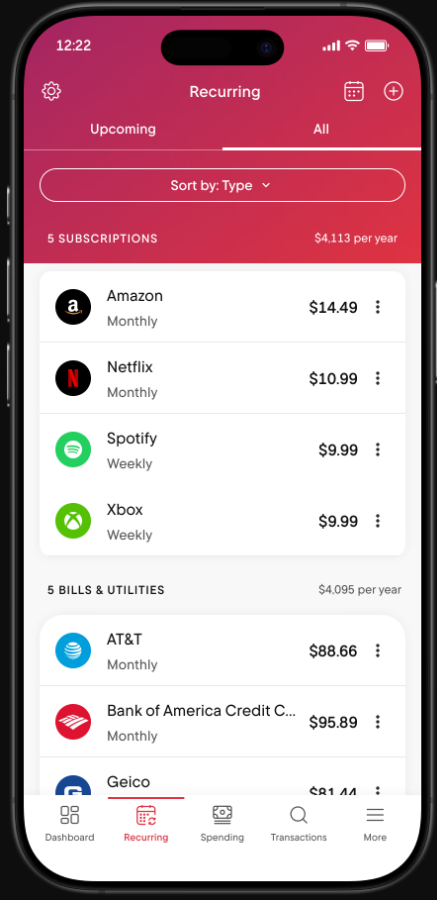
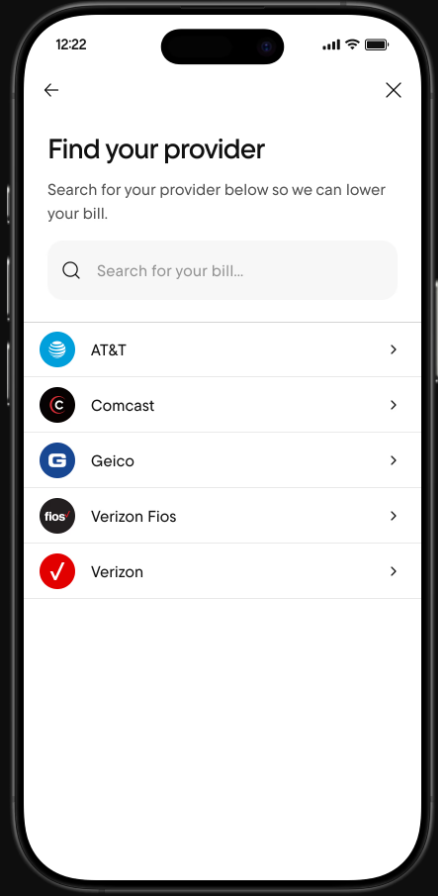
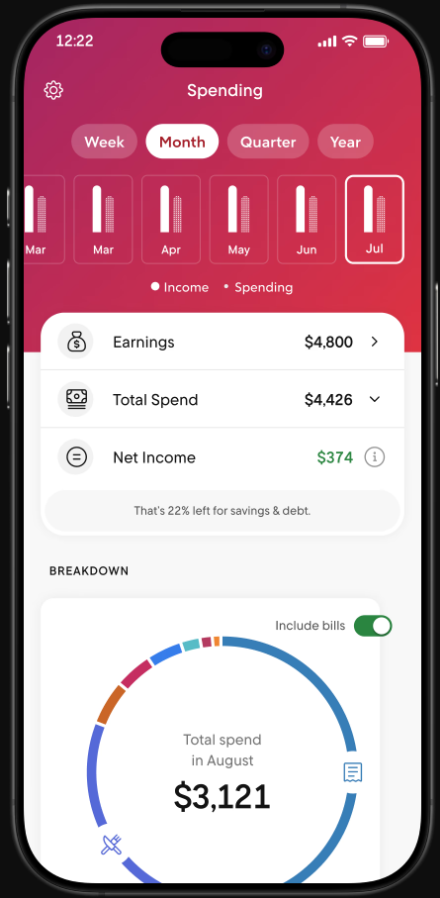
Rocket Money helps users lower bills and manage subscriptions in one place. Its concierge negotiates cable, phone plans, and insurance, while canceling unwanted subscriptions automatically. A unified dashboard highlights upcoming payments to prevent late fees, and real-time alerts plus automated savings help avoid overdrafts.
| Pros | Cons |
|---|---|
| Concierge negotiates bills and cancels unwanted subscriptions | Fees 30–60% of the total savings, depending on the provider |
| Unified dashboard for bills, alerts, and budgeting | Savings mostly moderate |
| Automated savings and spending insights | Can be overwhelming if only bill negotiation is needed |
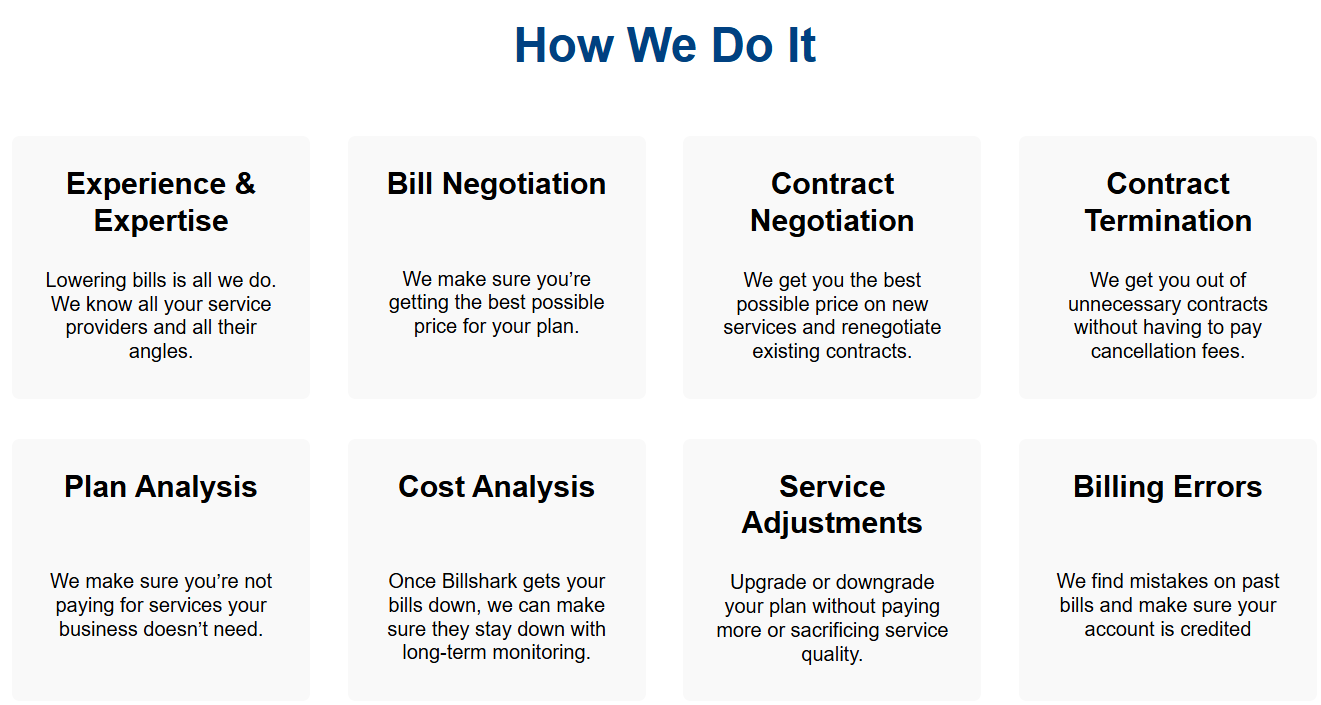
Billshark is designed for expert-led negotiation for businesses, covering telecom, mobility, SaaS, and more. The team handles billing errors, renegotiates contracts, and exits unnecessary agreements, with ongoing monitoring to keep costs down. It can also optimize employee wireless and internet reimbursements.
| Pros | Cons |
|---|---|
| Expert negotiators handle business and employee bills | Mainly for businesses, not individuals |
| Corrects billing errors and exits unnecessary contracts | Fee is 40% of savings, higher than some apps |
| Ongoing monitoring to prevent cost creep | Negotiation can take longer than automated apps |
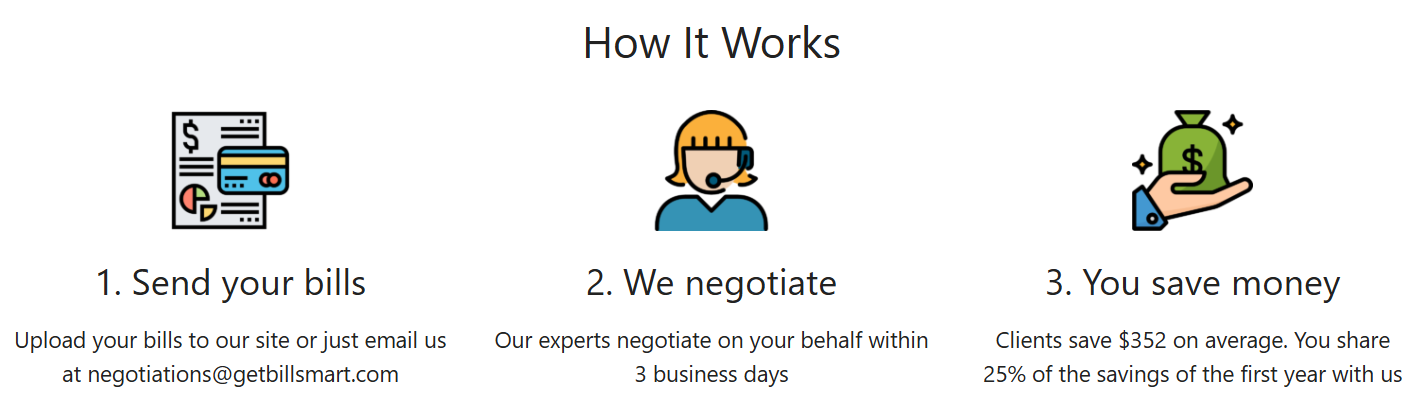
BillSmart negotiates phone and cable bills quickly and risk-free. Upload your bills, and experts secure lower rates, one-time credits, or fee reductions—usually within three business days. You only pay 25% of what you save; and if no savings occur, there’s no fee.
| Pros | Cons |
|---|---|
| Fast negotiation for phone and cable bills | Limited to phone and cable bills |
| Risk-free: free if no savings | Does not track or manage other bills or subscriptions |
| Can secure one-time credits without changing service | Less effective for ongoing monitoring |
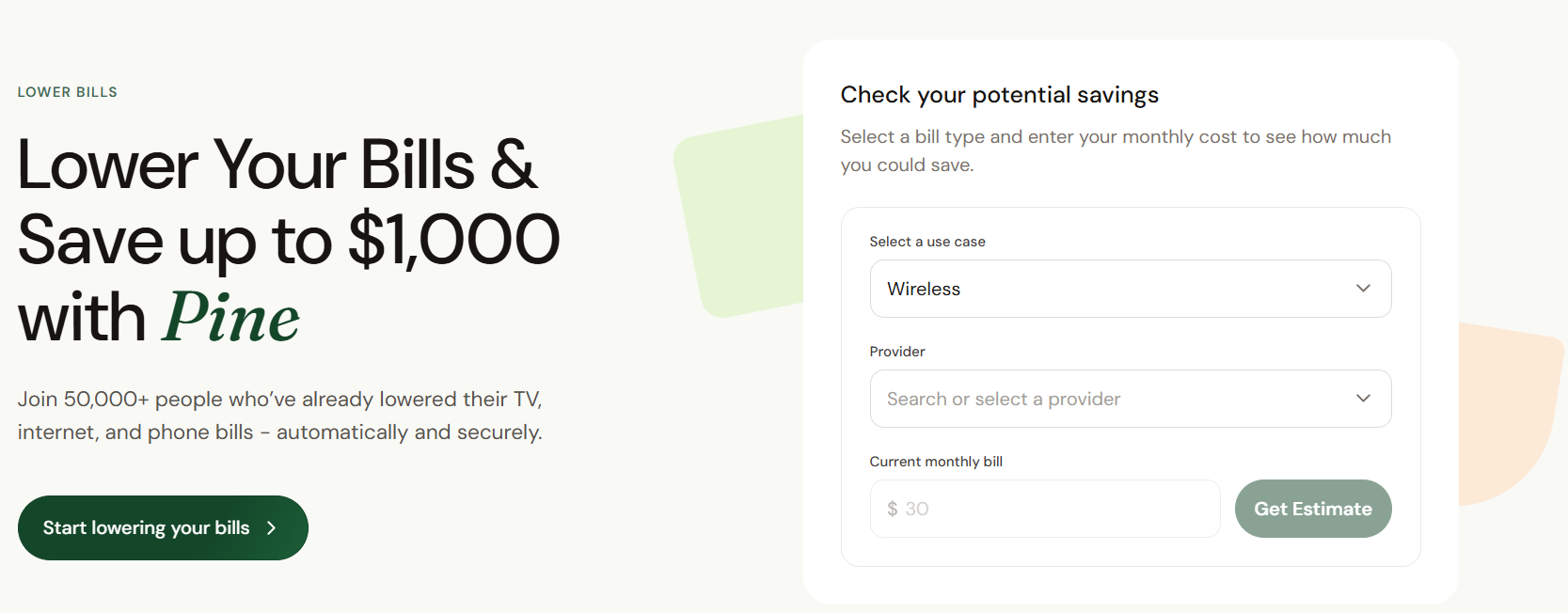
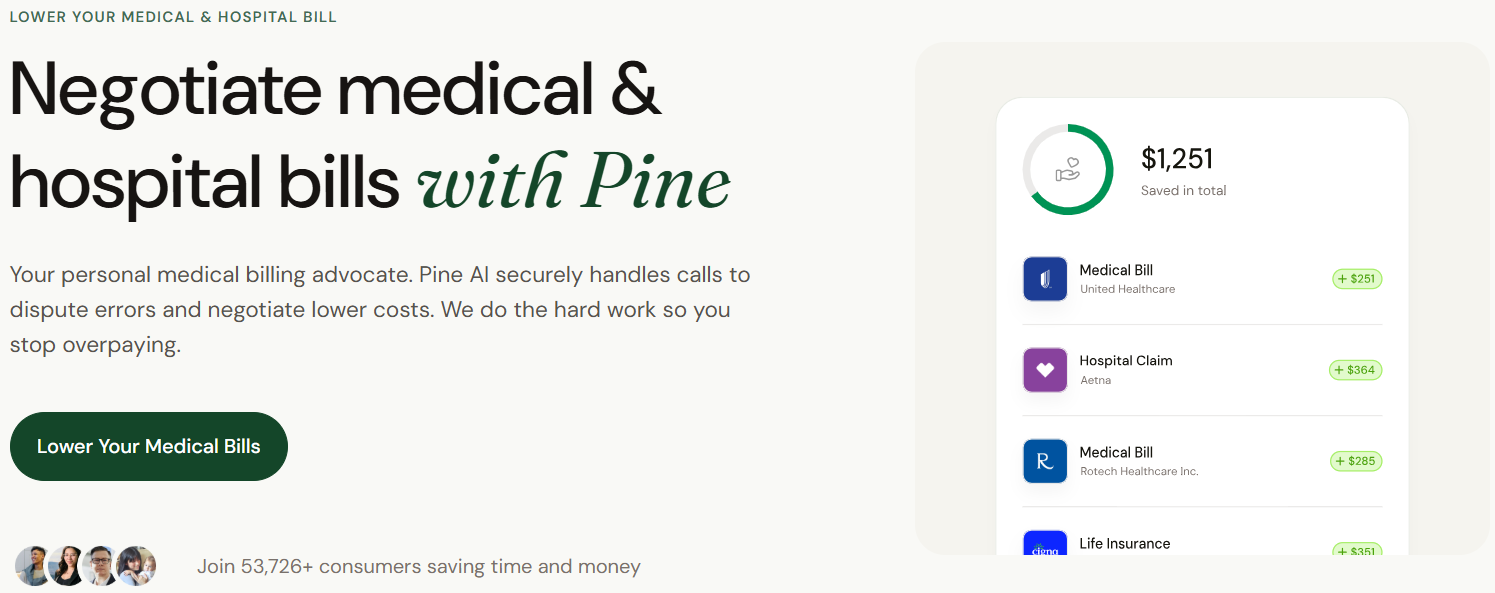
Pine AI automates negotiation for TV, internet, and phone bills while canceling unused subscriptions to save $200–$300 per year. It also handles billing errors and compensation claims, offering a secure, hands-off approach. Broader personal assistant features extend convenience beyond bills.
| Pros | Cons |
|---|---|
| Automates TV, internet, and phone bill negotiation | Personal assistant features may distract |
| Cancels unused subscriptions and handles refunds | Savings less transparent than human-led services |
| Hands-off, secure, and convenient | May be less aggressive than expert negotiators |
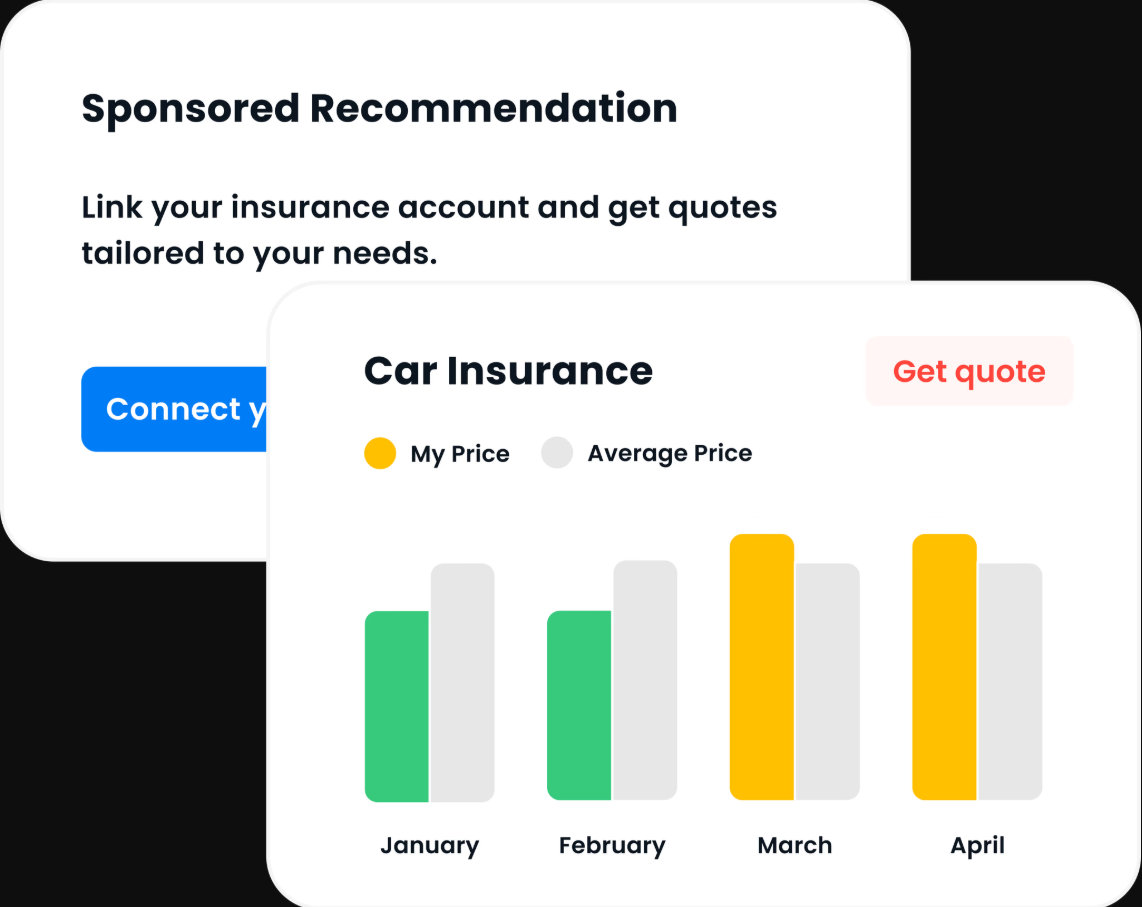
Hiatus tracks bills and subscriptions continuously, negotiating lower rates and canceling unwanted services. It provides spending insights, net worth tracking, and rate comparisons, helping users stay informed and financially aware over time.
| Pros | Cons |
|---|---|
| Continuous bill monitoring and subscription control | Negotiation less aggressive than human-led apps |
| Provides spending insights and net worth tracking | Premium membership required for some features |
| Hands-off, ongoing savings | Savings may be moderate for high-cost bills |
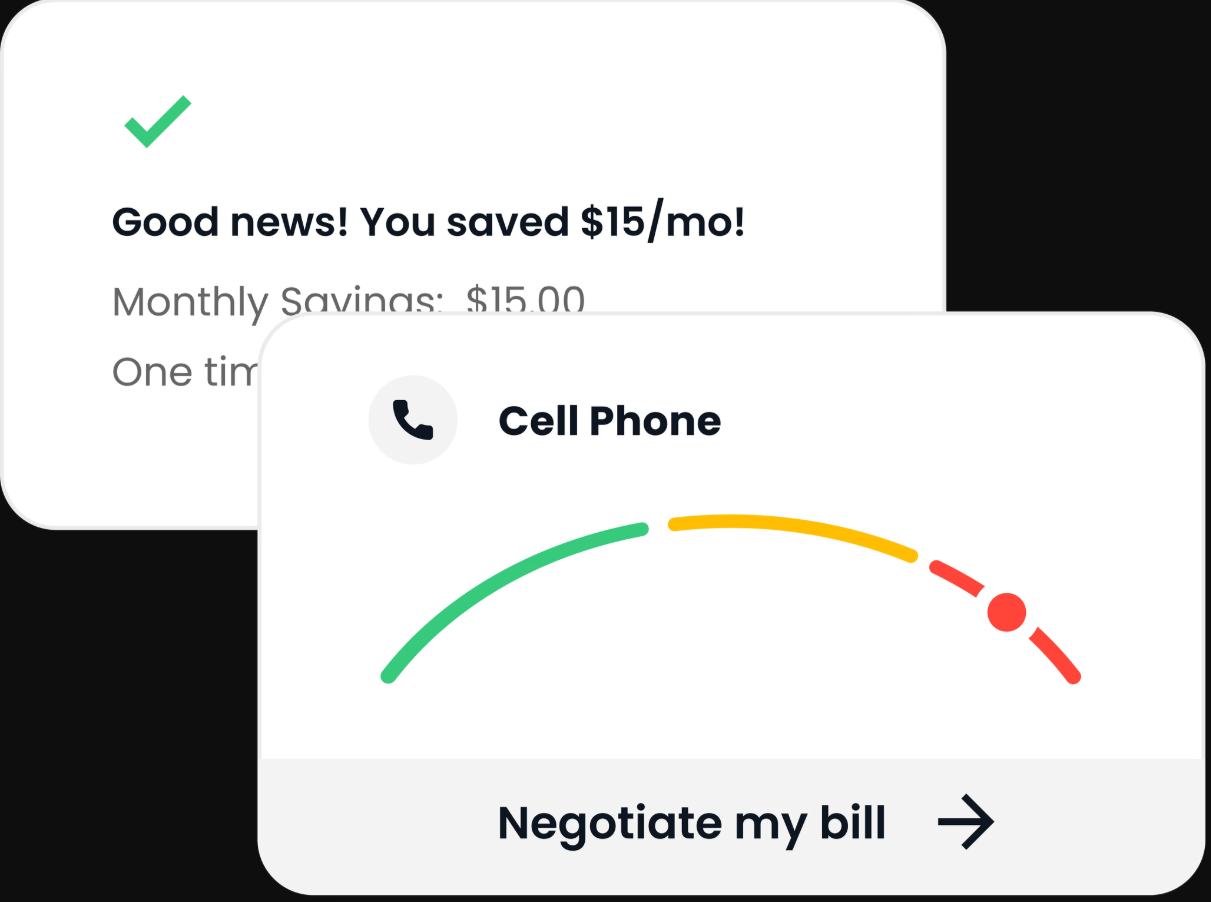
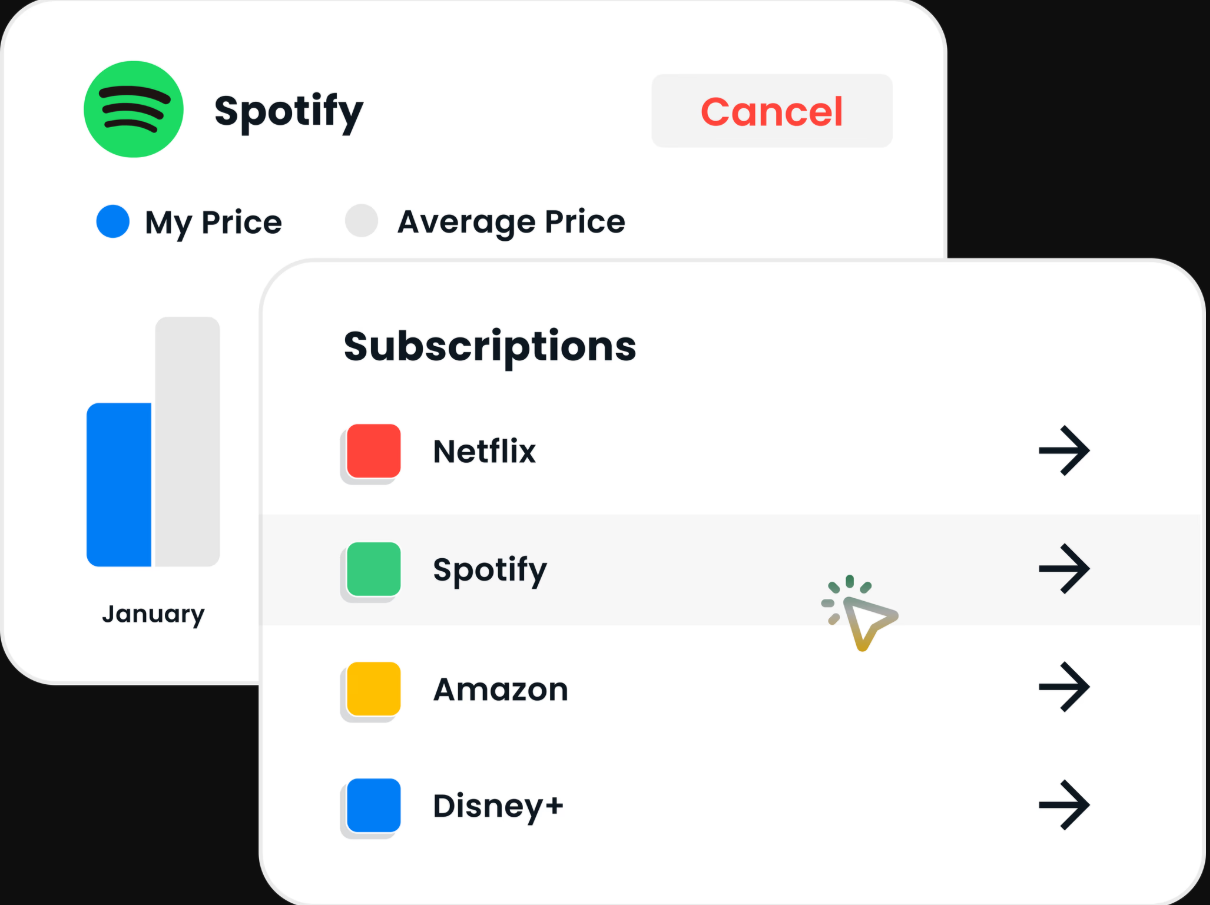
Bill negotiation apps make sense when the effort of negotiating manually outweighs the cost of fees. They’re most effective on flexible bills, especially telecom services, where pricing is rarely fixed.
Disappointment usually comes from unrealistic expectations. These tools won’t eliminate bills, and results vary. Used selectively, however, they often deliver small but reliable wins that add up over time.
The key is alignment — matching the app’s approach and pricing model to the size and type of your bills.
Bill negotiation apps won’t overhaul your finances, but they can quietly improve them. By reducing recurring costs and making spending more visible, they help restore control over expenses that often feel fixed.
The simplest way to start is also the smartest. Choose your largest recurring bill. Try one app. Evaluate the outcome. Expand only if the savings justify it.
In an environment where costs rise quietly, small, repeatable wins matter. For many people, the best bill negotiation apps provide exactly that — without the stress of doing it alone.