We may earn a commission from links you visit through Coupon Snake.
A living room can be spotless and still feel unsettled. If you’ve ever cleaned thoroughly, rearranged furniture, and stepped back only to sense that something isn’t quite right, you’re not imagining it. The issue is rarely effort—it’s alignment.
Many of the most effective home decor ideas aren’t about adding more things. They’re about correcting small layout and styling issues that quietly throw the room off balance. Once those are addressed, even a simple space can feel finished.
Why a Living Room Can Still Feel “Off” Even When It’s Clean
Cleanliness solves surface-level mess, but it doesn’t fix how a room functions or feels. Living rooms that feel comfortable share a few underlying principles—intentional layout, balanced lighting, and a clear visual structure. When one of those is missing, the space can feel wrong no matter how tidy it is.
These are the most common reasons people start searching for home decor ideas for living rooms in the first place.
1. Furniture Placement Lacks Connection and Proper Scale
When furniture is pushed too far apart or lined rigidly along the walls, the living room can feel fragmented. Instead of feeling inviting, it reads as a collection of separate pieces.
One of the most overlooked living room home decor ideas is simply pulling furniture closer together to create a clear seating zone. Scale matters just as much. A sofa that’s too small—or too oversized—can disrupt the entire room.
2. Living Room Lighting Feels Flat, Harsh, or Unbalanced
Relying on a single overhead light is one of the fastest ways to make a space feel unfinished. Even well-styled rooms can feel cold without layered lighting.
Among the most impactful home decor ideas, adding multiple light sources—table lamps, floor lamps, and soft accent lighting—can instantly make a living room feel warmer and more welcoming.
If your space only feels “off” at night, lighting is almost always the reason.
3. Everything Matches, but the Living Room Doesn’t Feel Cohesive
A room can match perfectly and still feel disconnected. Cohesion comes from repetition, not duplication—shared textures, repeated finishes, and colors that quietly appear throughout the space.
Instead of adding more decor, one of the smartest simple home decor ideas is reinforcing what’s already there. This creates visual flow without clutter.
4. There’s No Clear Focal Point Anchoring the Living Room
Every living room needs a visual anchor. Without one, the eye doesn’t know where to land, and the space can feel scattered.
This anchor might be a sofa wall, a rug that defines the seating area, or a styled bookshelf. Adding character here matters more than filling every corner. Thoughtfully chosen pieces—such as unique finds from online antique stores known for character-rich decor—can ground the room without overwhelming it.
Home Decor Ideas That Actually Fix a Living Room That Feels Off
Once you understand what’s causing the imbalance, the right home decor ideas tend to be surprisingly straightforward. These changes focus on structure, not excess decoration.
1. Create Clear Seating Zones to Improve Living Room Flow
One of the most effective home decor ideas for living rooms is defining a proper seating area. Pull furniture inward so it forms a cohesive group rather than floating around the edges.
A well-sized rug that fits all major seating pieces helps reinforce this layout and makes the room feel intentional.
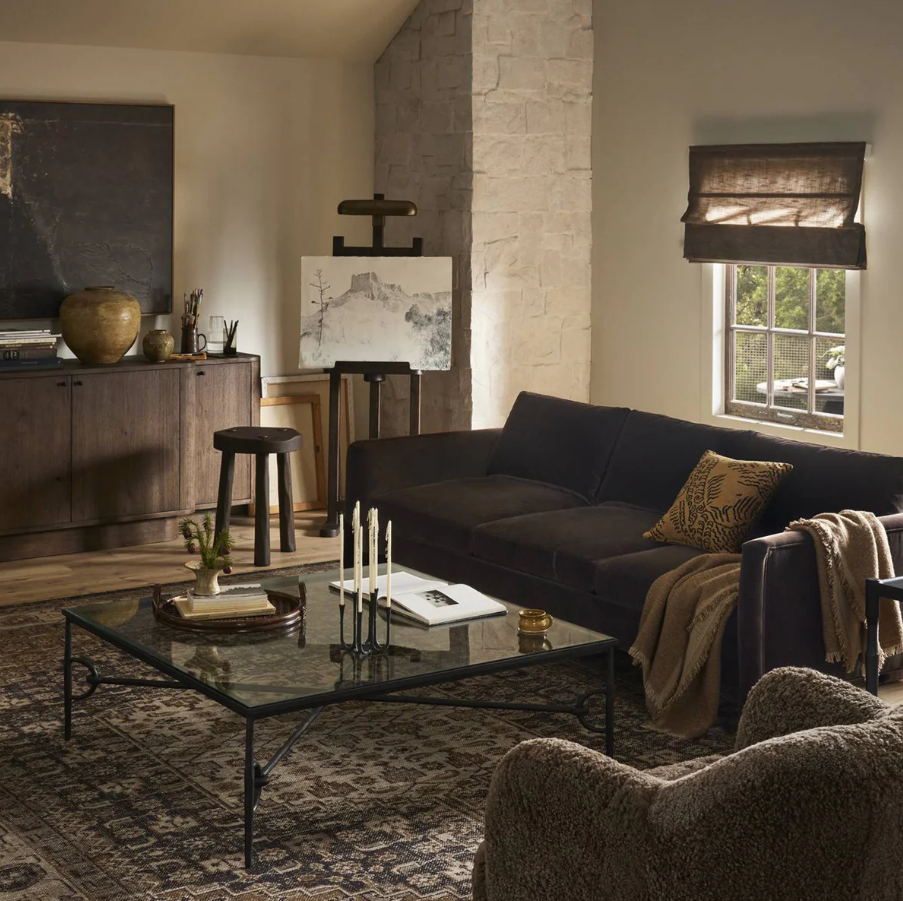
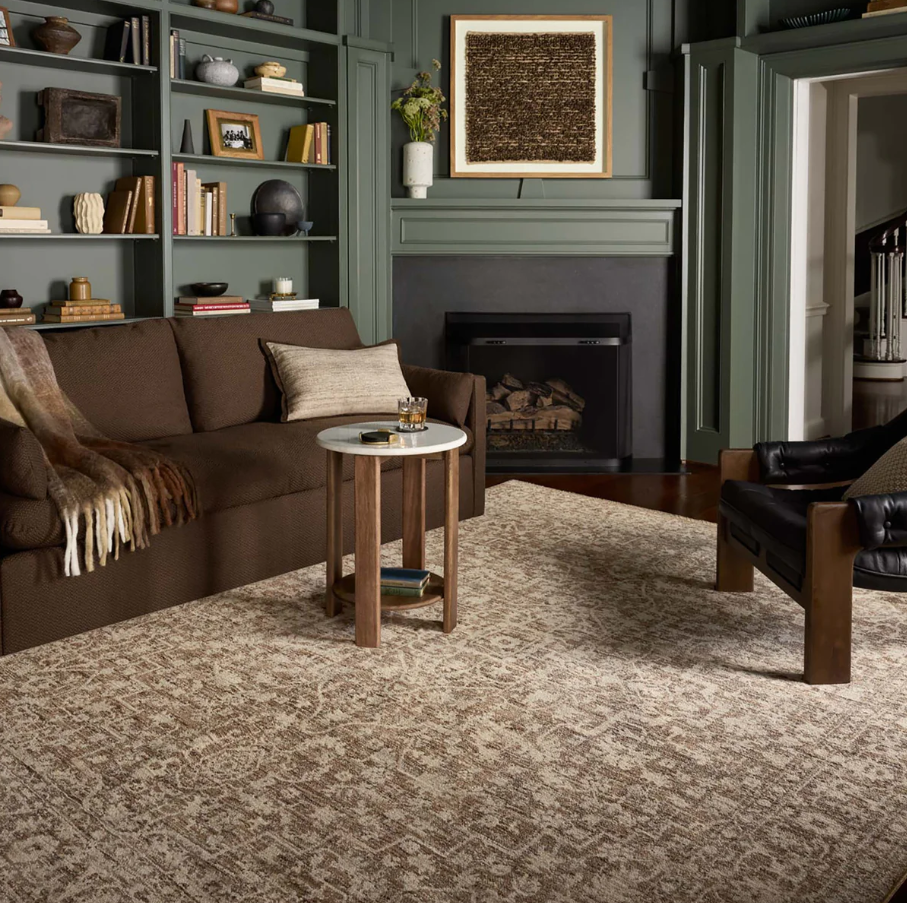
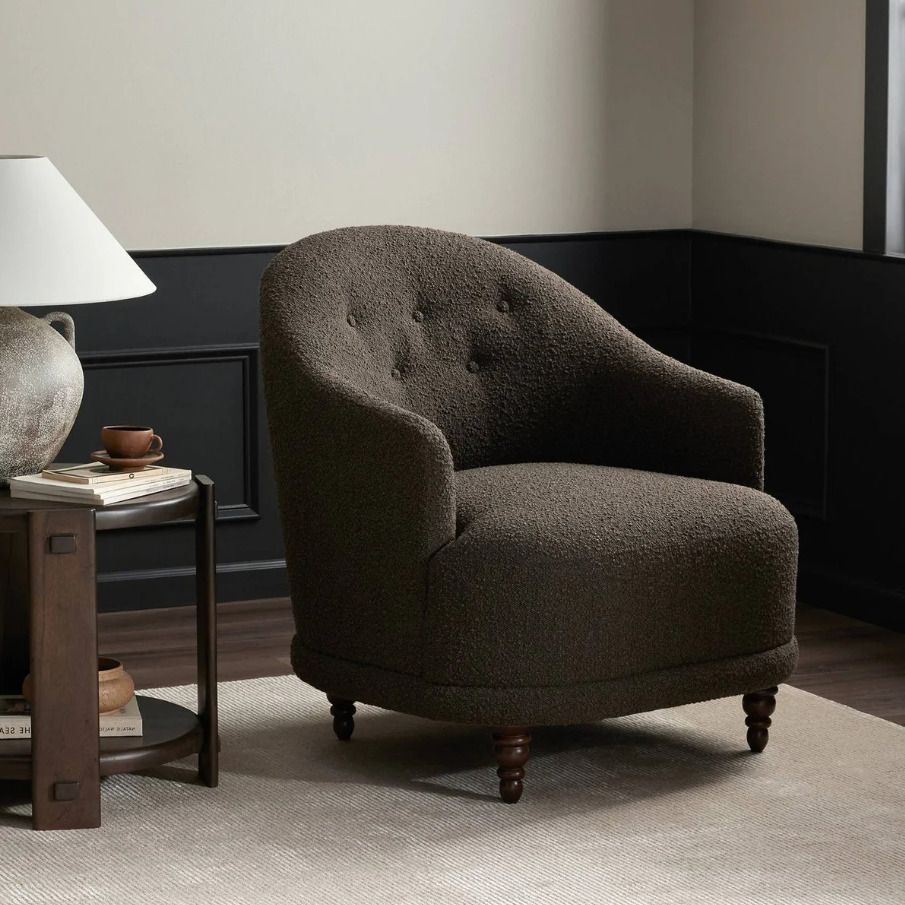
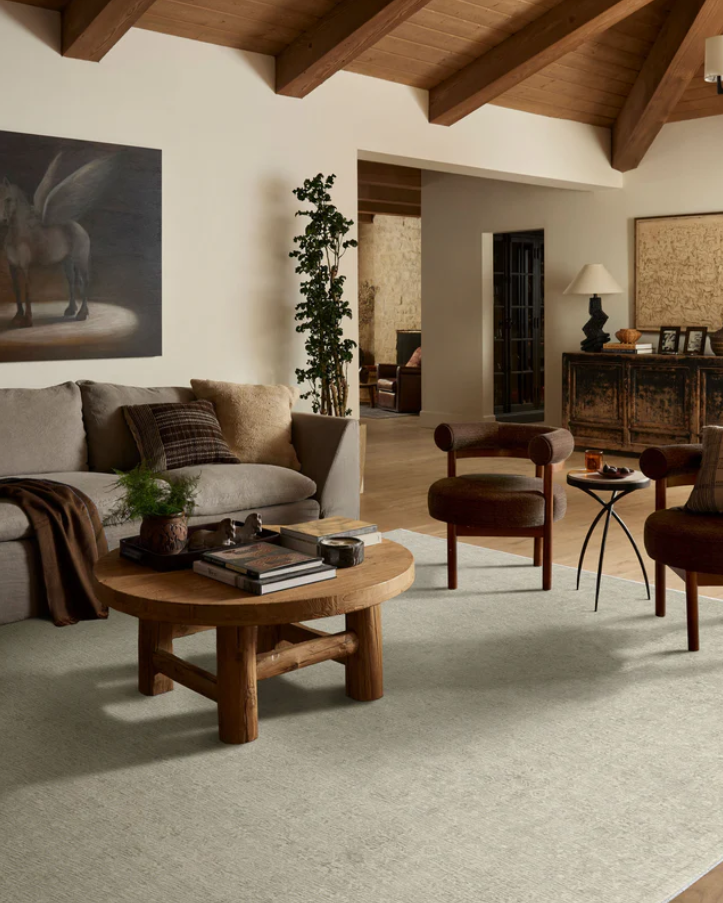
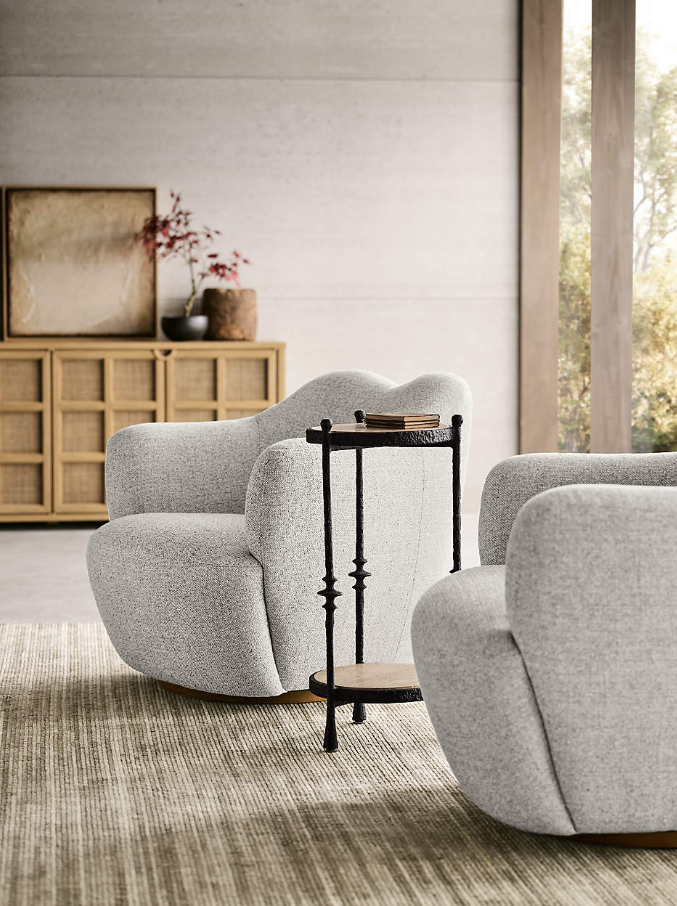
To create a defined and comfortable seating zone, consider anchoring the layout with a float-style sofa like the Four Hands Katya Sofa, grounding the arrangement with an area rug such as the Loloi Newman Callum Power-loomed Rug, and completing the setup with inward-facing accent seating like the Four Hands Marnie Chair. Together, these pieces show how pulling furniture onto a shared rug and orienting it toward conversation improves flow and makes the living room feel more connected and intentional.
2. Use Layered Lighting to Make the Living Room Feel Warmer
Layered lighting adds depth and flexibility. By combining ambient, task, and accent lighting, the room becomes more comfortable at different times of day.
This is one of those home decor ideas that delivers immediate emotional payoff without a major overhaul.
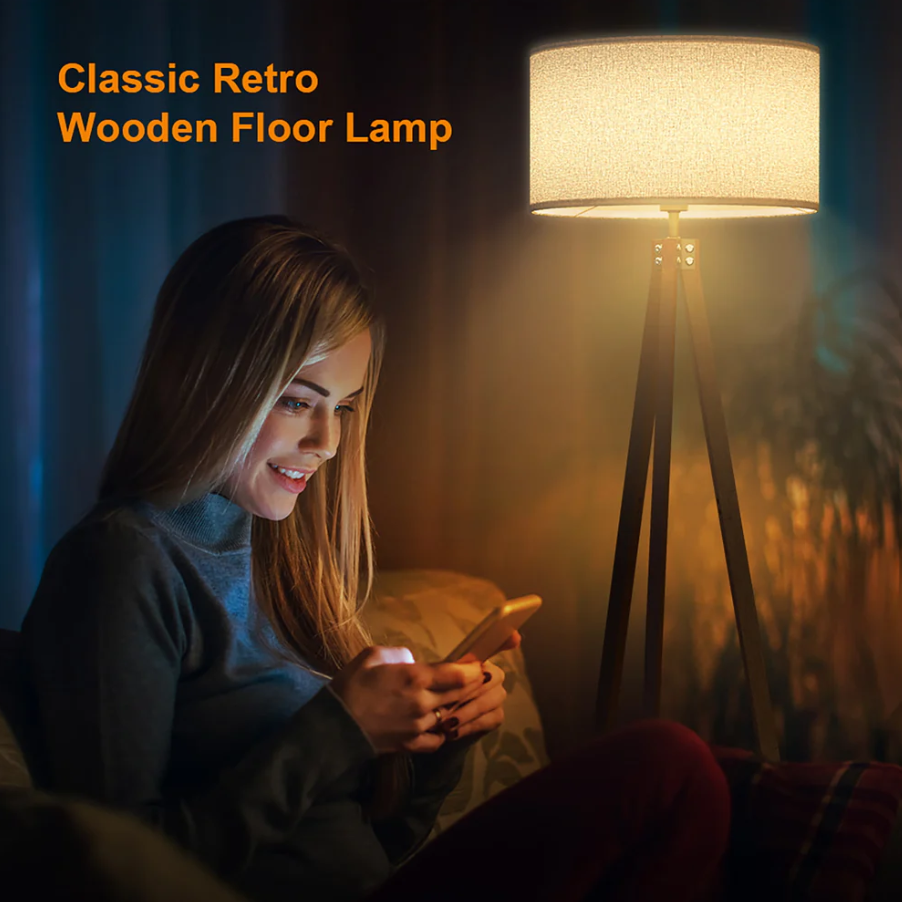
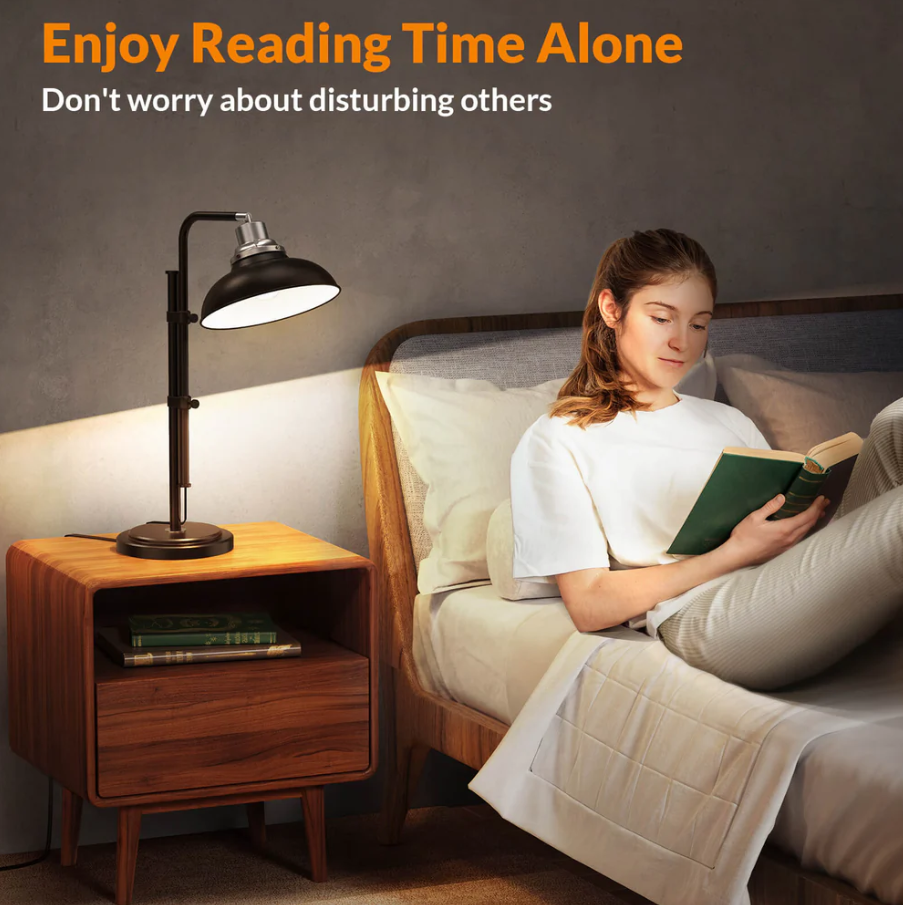
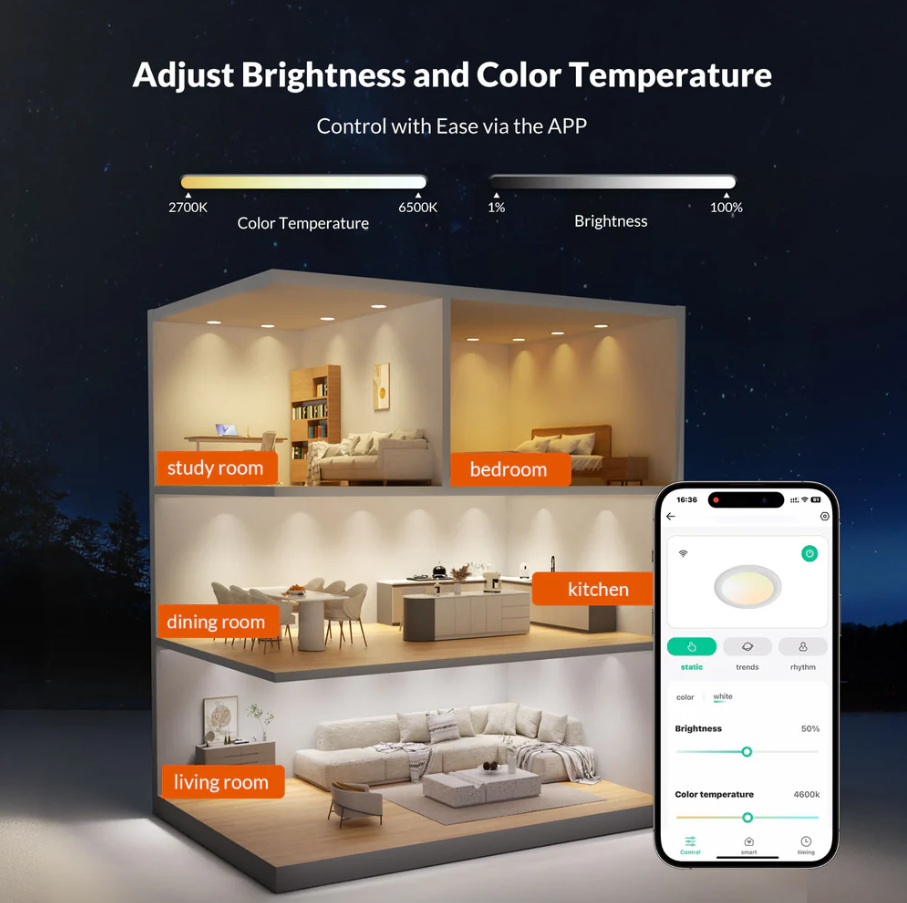
Effective layered lighting combines multiple light sources with distinct roles. Options from Lepower-tec like the Wooden Tripod Floor Lamp with 3 Legs, the Industrial Adjustable Table Lamp, and Sun-Mimicking Smart Recessed Lighting illustrate how floor lighting adds ambient warmth, table lighting supports focused tasks, and adjustable recessed lighting provides flexible overhead illumination—creating a living room that feels balanced, calm, and comfortable throughout the day.
3. Strengthen One Visual Anchor to Ground the Living Room
Choose one focal point and let it lead the space. Whether it’s the sofa, shelving, or a media wall, a strong anchor helps the rest of the decor feel organized rather than scattered.
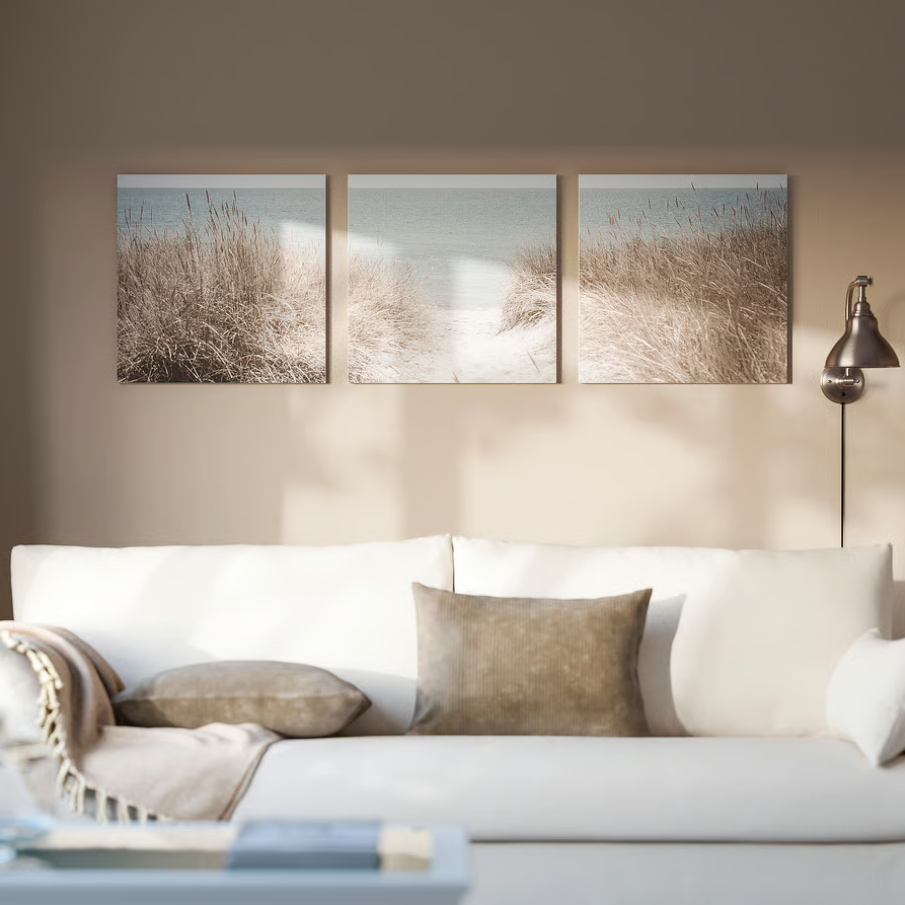
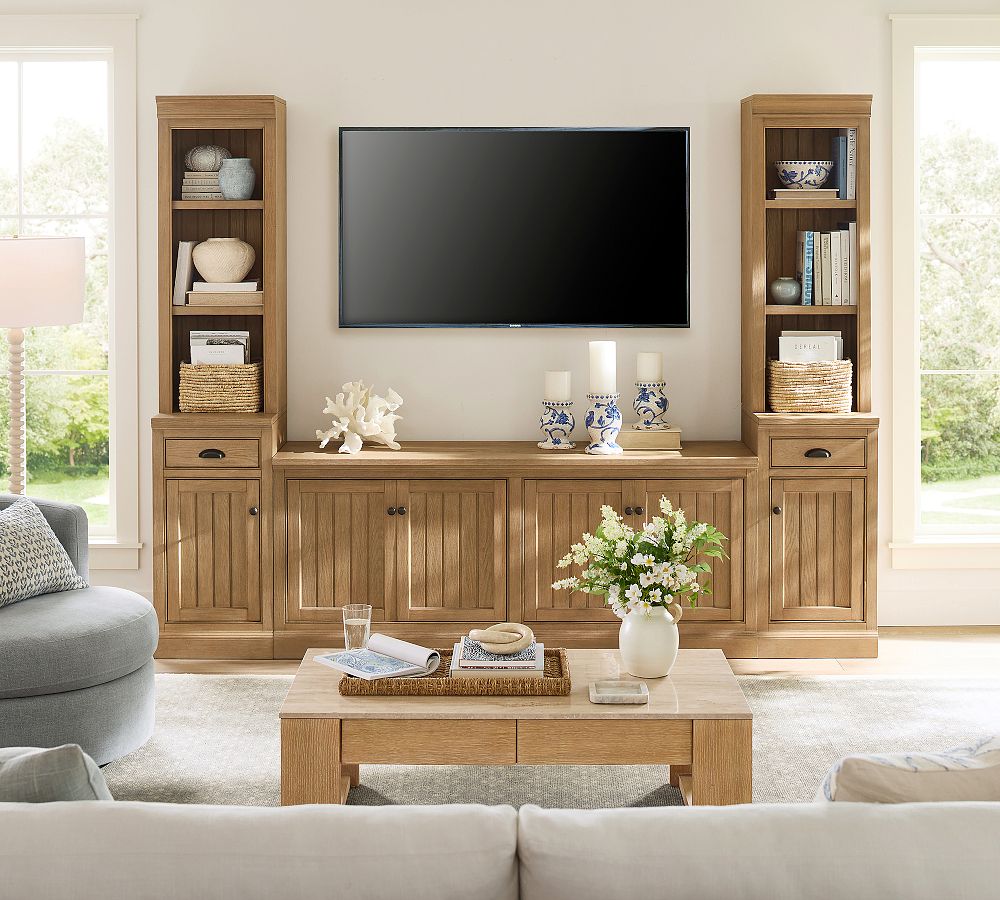
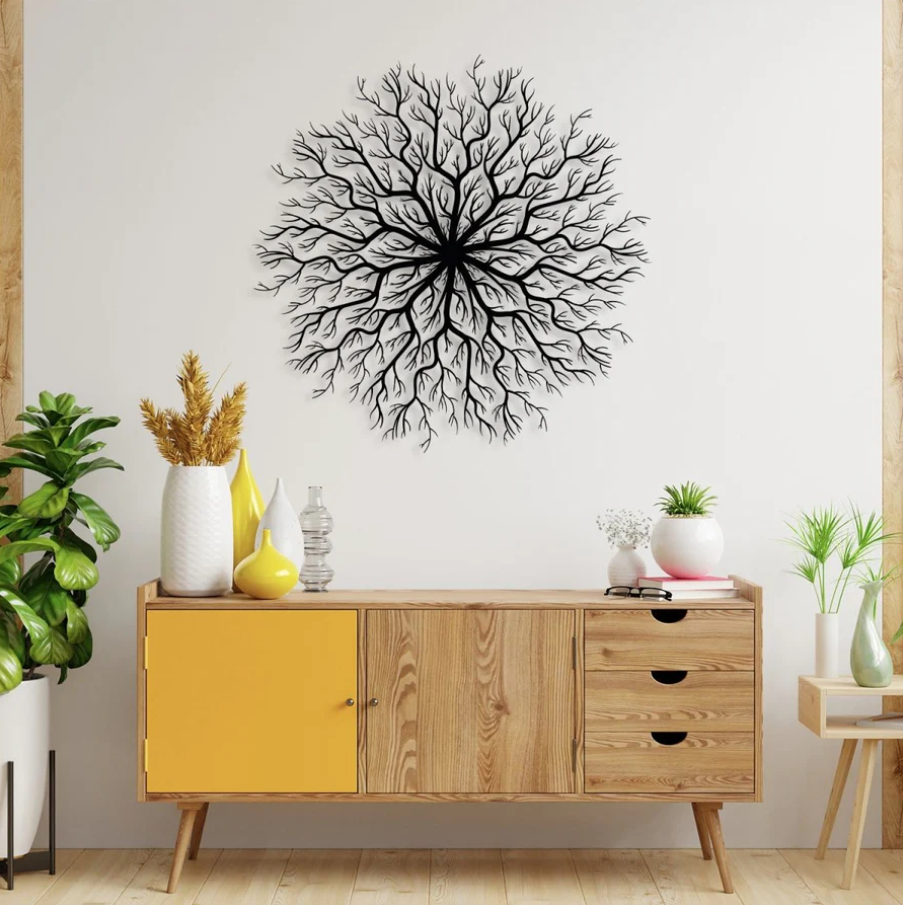
A strong visual anchor often comes from layering grounding elements at different heights. A statement rug such as the Sierra Ivory & Opal Rug from Ruggable helps define the seating area, wall art like IKEA’s PJÄTTERYD canvas print draws the eye upward, and a substantial storage piece such as the Aubrey 5-Piece Storage Cabinet Set from Pottery Barn visually anchors the room. Used together, these elements establish a clear focal point that gives the living room structure and balance.
4. Repeat Materials and Textures to Create Visual Flow
Repeating wood tones, fabrics, or finishes is a subtle but powerful approach. These kinds of home decor ideas help the room feel cohesive without adding visual noise.
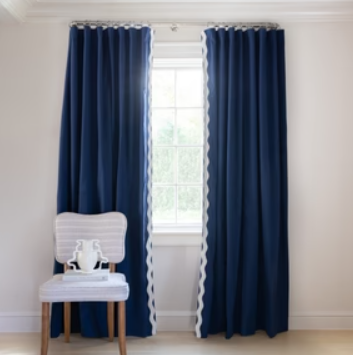
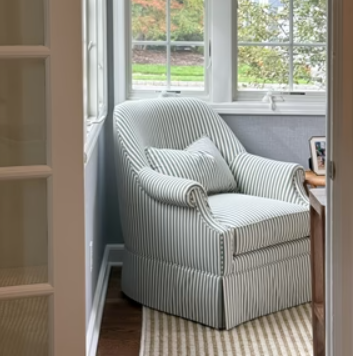
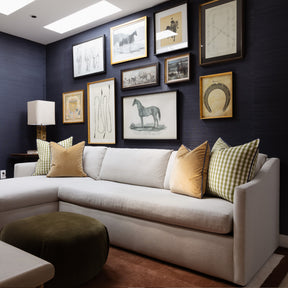
Repeating materials across the room helps establish visual flow without relying on matching sets. Carrying a deep tone through multiple surfaces, such as the Midnight Custom Curtain, Midnight Sisal Grasscloth Wallpaper, and Millie Harbor Dorothy Chair from Pepper Home, shows how consistent color and texture can link furnishings, walls, and seating, making the living room feel layered, cohesive, and intentionally designed.
5. Use Negative Space Intentionally in the Living Room
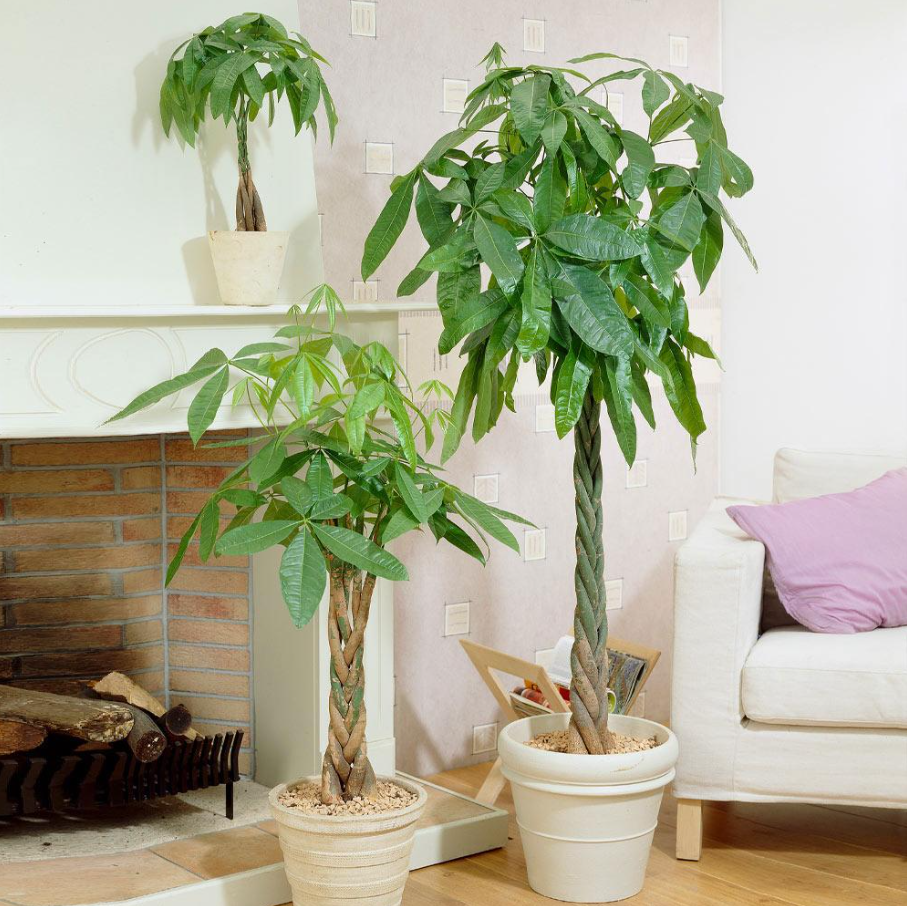
Empty space isn’t the enemy—unfinished space is. A bare corner might need only a floor lamp or plant, while an empty wall may benefit from a single, well-scaled piece of art.
Intentional negative space is one of the most underrated home decor ideas for creating calm.
A living room feels right when it stops asking for attention. You linger longer, stop mentally rearranging furniture, and notice the room less—because it’s finally working.
If something still feels off, pause before adding anything new. One thoughtful adjustment is often more effective than a full refresh. The most useful home decor ideas are the ones that restore balance, not add more.
And once the living room settles, it’s often easier to see where to go next. If another room has been carrying the same uneasy feeling, applying the same principles there can make just as much of a difference.