We may earn a commission from links you visit through Coupon Snake.
Waking up congested every morning is often blamed on seasonal allergies. In many cases, the real cause is indoor air quality, especially in the bedroom.
If your nose feels blocked before you even leave the bed, something in your environment may be triggering inflammation overnight. Because you spend six to eight uninterrupted hours in the same room, even moderate air quality issues can turn into persistent morning congestion.
The best indoor air improvement devices are designed to address the most common indoor triggers: airborne allergens and humidity imbalance. When those are controlled, breathing often feels noticeably clearer within days.
This guide explains what causes morning congestion and how targeted indoor air upgrades can help.
Indoor Causes of Morning Congestion
Morning congestion usually develops from prolonged exposure to indoor irritants. The most common contributors include:
Dust mites in mattresses and pillows
Pet dander embedded in fabrics
Pollen tracked indoors
Mold spores from excess humidity
Air that is either too dry or too damp
Bedrooms are often closed overnight, allowing allergens to accumulate in relatively stagnant air. If humidity rises above 50 percent, mold and dust mites multiply more rapidly. If it drops too low, nasal passages can dry out and swell.
Improving indoor air quality addresses both extremes.
https://www.youtube.com/watch?v=Aabz4MHXgT4
In this video, the American Lung Association explains how indoor air pollutants such as dust, pet dander, and mold spores travel deep into the lungs, trigger irritation, and contribute to respiratory symptoms. It also outlines practical steps to improve indoor air quality and reduce exposure.
The Most Effective Ways to Improve Bedroom Air
Reducing morning congestion typically requires attention to three areas:
Particle filtration
Humidity balance
Consistent overnight circulation
The best indoor air improvement devices fall into one of these categories. When used together, they create a more stable breathing environment during sleep.
1. HEPA Air Purifiers for Allergen Reduction
For many households, a HEPA air purifier is the most impactful starting point.
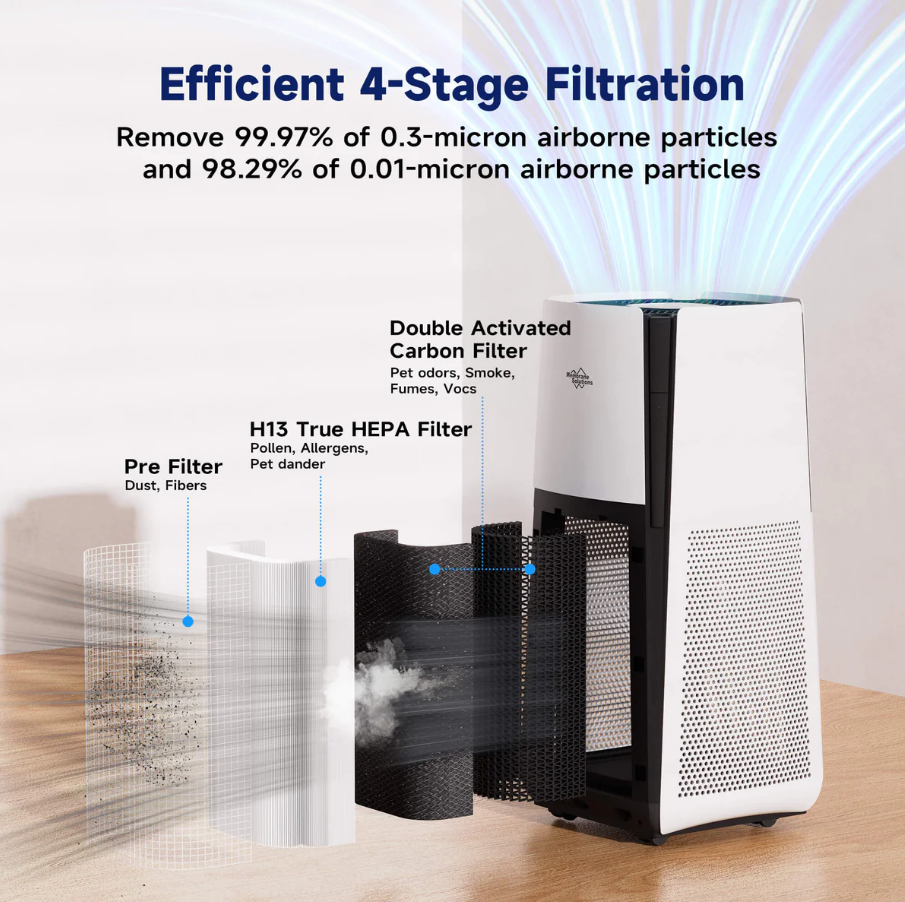
True HEPA filters capture at least 99.97 percent of airborne particles as small as 0.3 microns, including dust mite debris, pollen, pet dander, and mold spores.
When selecting a purifier for bedroom use, look for:
A CADR rating suited to the room size
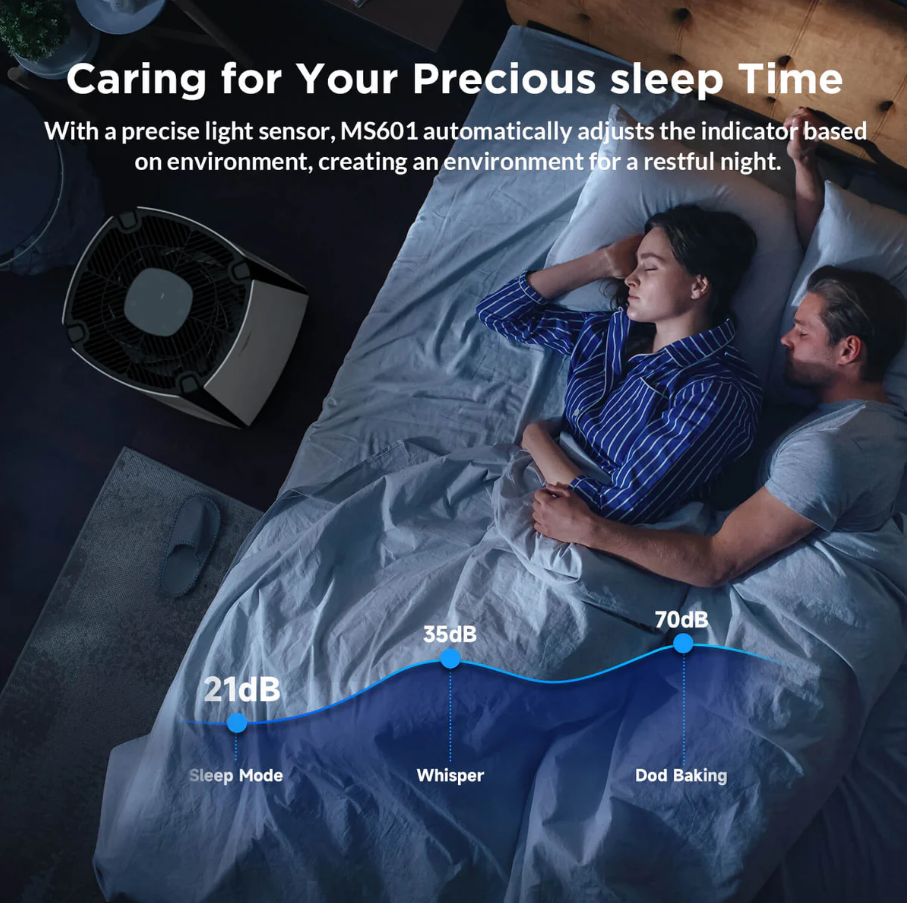
Quiet operation for nighttime use
Manageable filter replacement costs
Running a purifier continuously overnight helps maintain steady indoor air quality when exposure is longest.
Among the best indoor air improvement devices for allergy-related congestion, this is often the foundation.
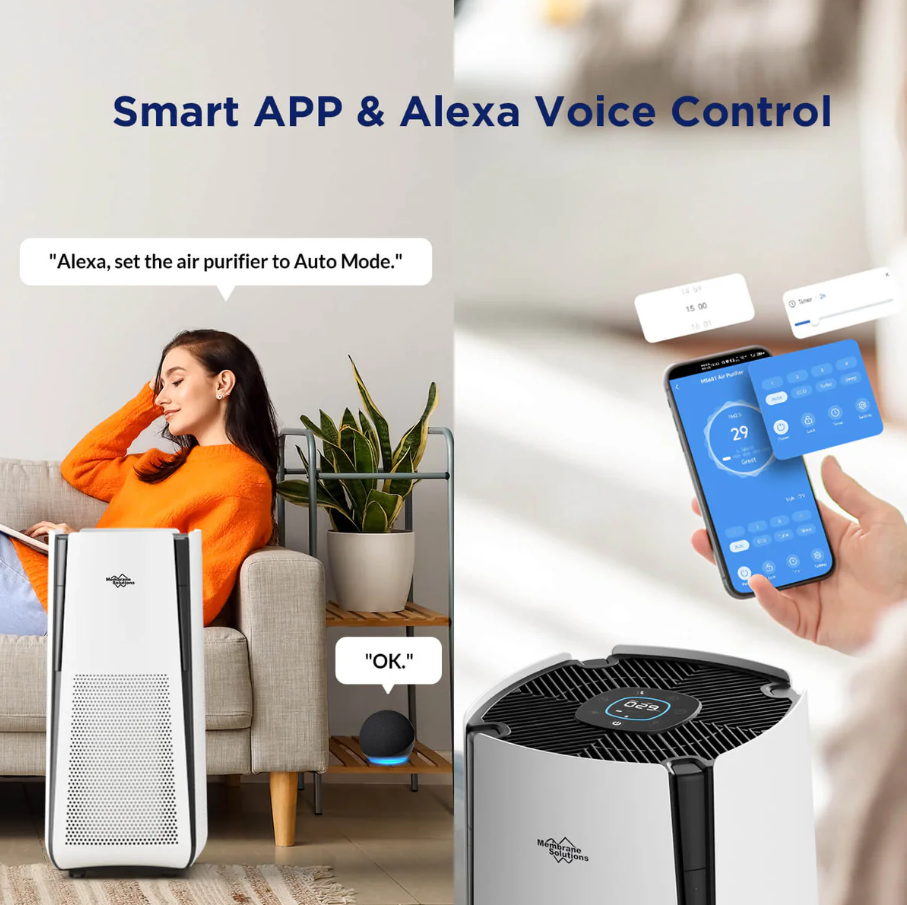
SimPure MS601 Smart Air Purifier (H13 True HEPA) is a large-room filtration unit designed to capture airborne allergens such as dust, pollen, and pet dander that contribute to morning congestion.
Humidity plays a major role in respiratory comfort. Excess moisture allows mold spores and dust mites to thrive, both of which can worsen congestion.
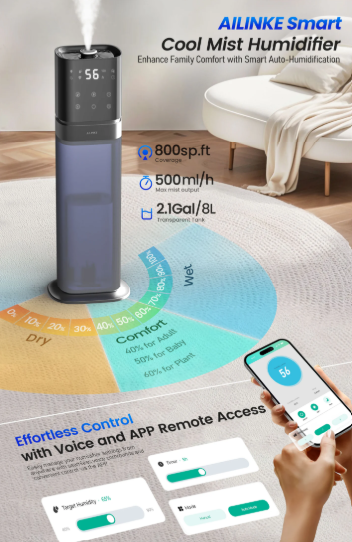
Maintaining humidity between 40 and 50 percent is generally recommended for indoor comfort and allergen control.
If you suspect moisture is contributing to the problem, understanding how to choose an appropriately sized unit is essential.
In humid climates, adding a properly sized dehumidifier can significantly improve bedroom air conditions.
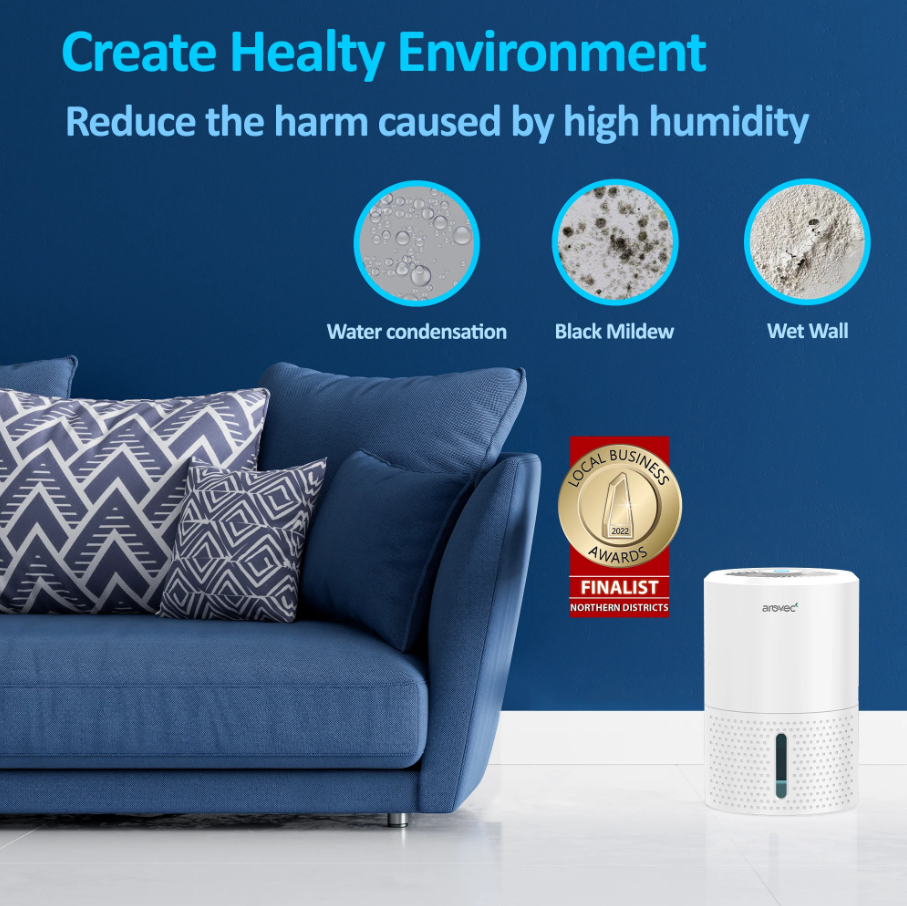
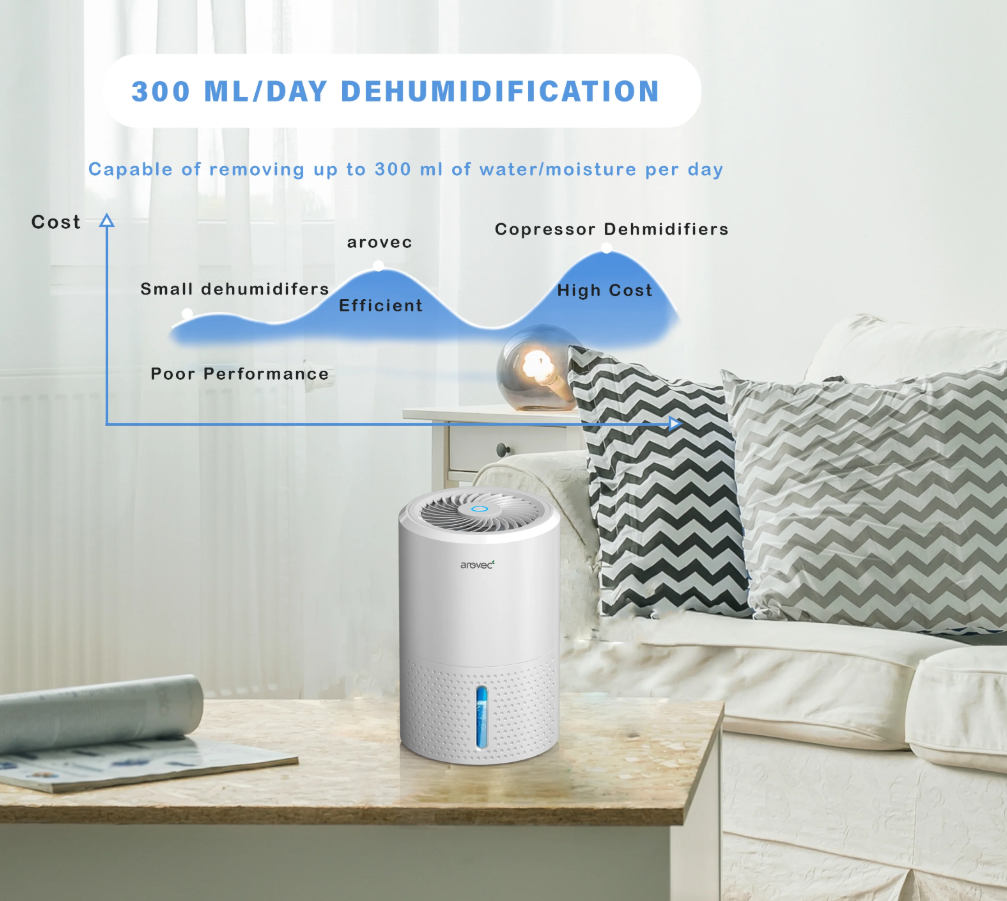
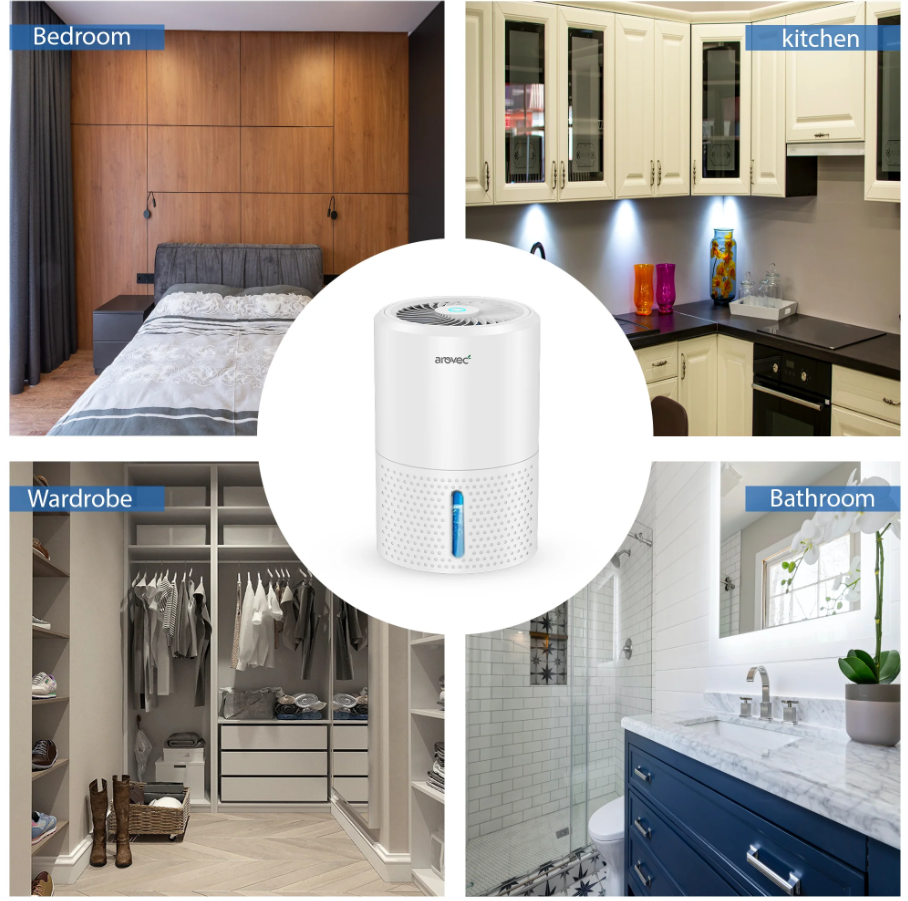
AROVEC Air Dehumidifier (900mL Water Tank) is a compact moisture-control unit designed for small rooms where elevated humidity may contribute to mold growth and allergy triggers.
Low humidity can also trigger symptoms. Dry indoor air may irritate nasal passages and increase sensitivity.
Signs that air may be too dry include:
A dry throat upon waking
Mild nosebleeds
Sinus pressure without heavy mucus
A humidifier restores moisture balance, but monitoring levels is important. Using a hygrometer helps maintain humidity within a healthy range.
Balancing moisture is just as important as filtration when improving indoor air.
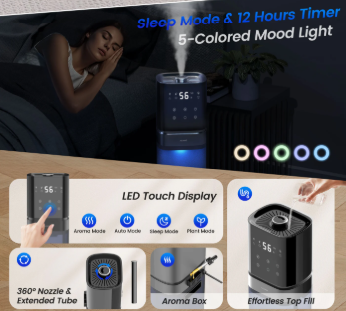
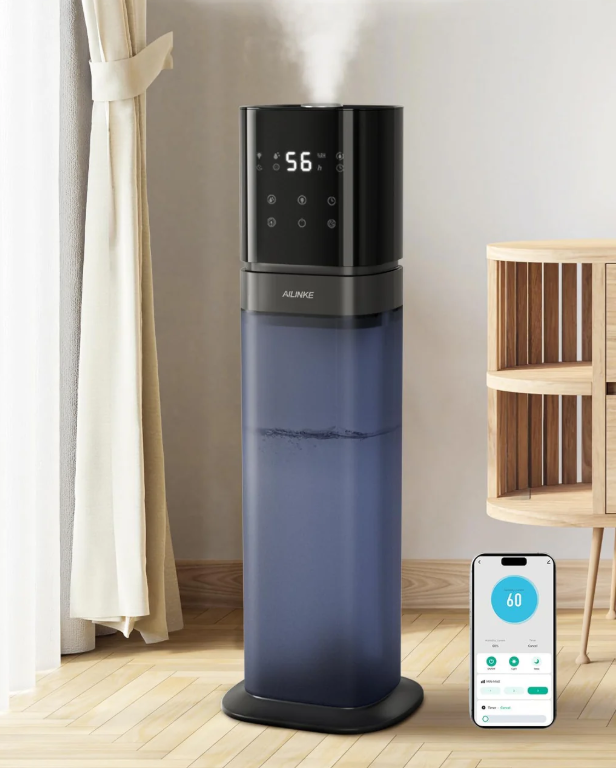
Yokekon Smart Humidifier (2.1Gal/8L) is a large-room cool mist system designed to restore balanced humidity levels when dry indoor air contributes to nasal irritation.
The most effective upgrade depends on your environment.
Frequent sneezing and visible dust suggest starting with a HEPA air purifier.
A damp or musty room may require a dehumidifier.
Dry, irritated air may indicate the need for a humidifier.
Many people achieve the best results by combining filtration with humidity control rather than relying on a single device.
https://www.youtube.com/watch?v=pZvN3LeJkPw
In this video, Tool Junkie explains the differences between air purifiers and dehumidifiers, outlining how HEPA filtration removes airborne allergens while moisture control prevents mold and dust mites. It also discusses ideal use cases, limitations, maintenance, and when combining both devices provides the most comprehensive indoor air quality solution.
What Results You Can Expect
Improvement timelines vary based on the primary trigger.
Consistent use of a HEPA purifier often produces noticeable changes within several days.
Correcting humidity imbalances may take one to two weeks to show measurable improvement.
Stability is key. Indoor air improvement devices must operate regularly to maintain consistent air conditions overnight.
https://www.youtube.com/watch?v=0uZKBlwLEFs
In this CBC Marketplace investigation, five popular air purifier brands are lab tested to evaluate how effectively they remove airborne particles. The report highlights performance differences, filter efficiency, and why consistent operation matters when measuring real-world indoor air quality improvement.
Clearer Mornings Through Better Indoor Air
Morning congestion is often an environmental issue rather than an unavoidable condition.
By improving indoor air quality with the best indoor air improvement devices and maintaining proper humidity levels, you create a bedroom environment that supports easier breathing.
Small, targeted adjustments can produce consistent, long-term results. If waking up congested has become routine, addressing indoor air may be one of the most practical and effective steps you can take toward clearer mornings.