We may earn a commission from links you visit through Coupon Snake.
A cleaner kitchen does not come from using more products. It comes from using the right tools.
When each item serves a clear purpose, everything becomes more efficient. Surfaces are easier to maintain, clutter stays under control, and cleaning feels less demanding.
The tools below are selected for how well they handle everyday kitchen messes without relying on harsh chemicals or disposable materials. Each one supports a simpler approach while keeping your kitchen looking polished and feeling naturally fresh.
Why Green Cleaning Tools Make a Difference
Traditional cleaning routines often rely on disposable materials and chemical-heavy formulas. While effective, they can leave behind residues, odors, and unnecessary waste.
Green cleaning tools take a different approach. They prioritize:
Durable, reusable materials that reduce single-use waste
Plant-based or biodegradable components that break down more safely
Mechanical cleaning efficiency—lifting dirt and grime without relying on harsh agents
The result is a kitchen that feels clean in a more natural, understated way—without the artificial after-scent.
This video from Howcast explains how traditional cleaning products can introduce harmful chemicals into your home, reinforcing why switching to green cleaning tools supports a safer, more natural approach to everyday cleaning.
What to Look for in Natural Kitchen Cleaning Tools
Not all eco-labeled tools perform equally. When choosing the right options, focus on a few essential qualities:
Longevity — Tools that can be used repeatedly without losing effectiveness
Material quality — Natural or low-impact materials such as bamboo, cellulose, or plant fibers
Ease of maintenance — Simple to rinse, clean, or replace components
Versatility — Tools that can handle multiple tasks to reduce overall clutter
A well-selected set of tools simplifies your routine while maintaining consistent results.
10 Green Cleaning Tools for a Cleaner, Fresher Kitchen
A cleaner kitchen does not come from using more products. It comes from using the right tools.
When each item serves a clear purpose, everything becomes more efficient. Surfaces are easier to maintain, clutter stays under control, and cleaning feels less demanding.
The tools below are selected for how well they handle everyday kitchen messes without relying on harsh chemicals or disposable materials. Each one supports a simpler approach while keeping your kitchen looking polished and feeling naturally fresh.
1. Bamboo Dish Scrub Brush
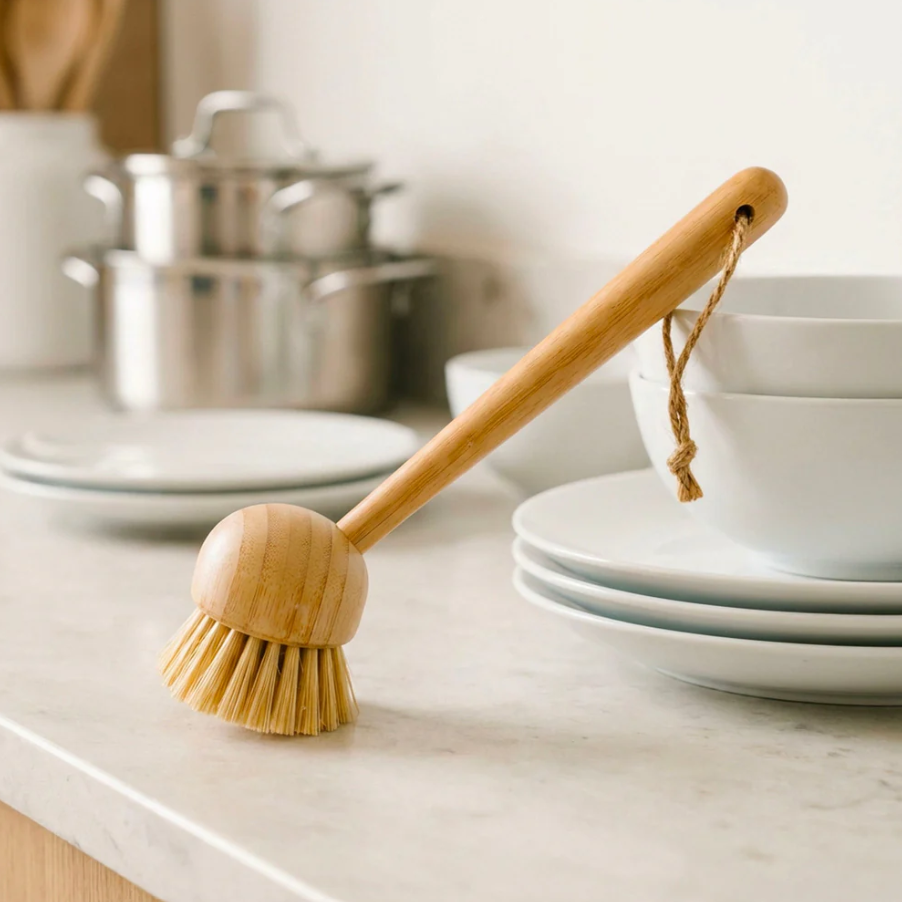
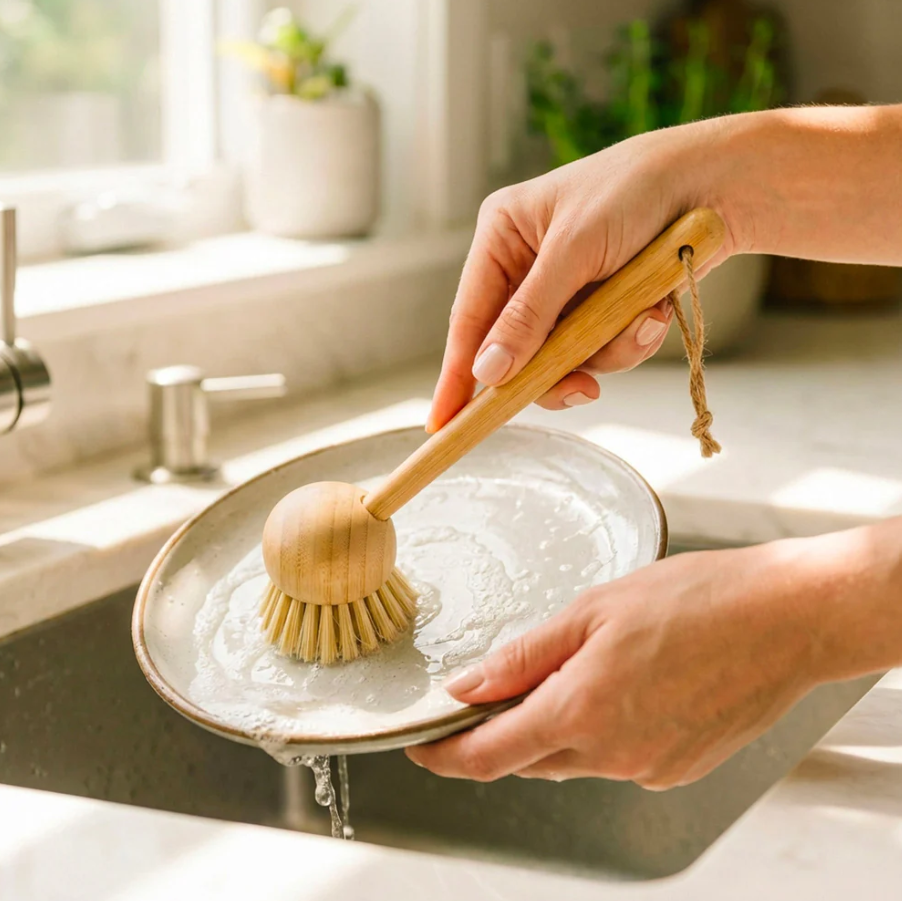
A reliable alternative to plastic brushes, bamboo scrubbers provide firm bristles for removing residue without damaging surfaces.
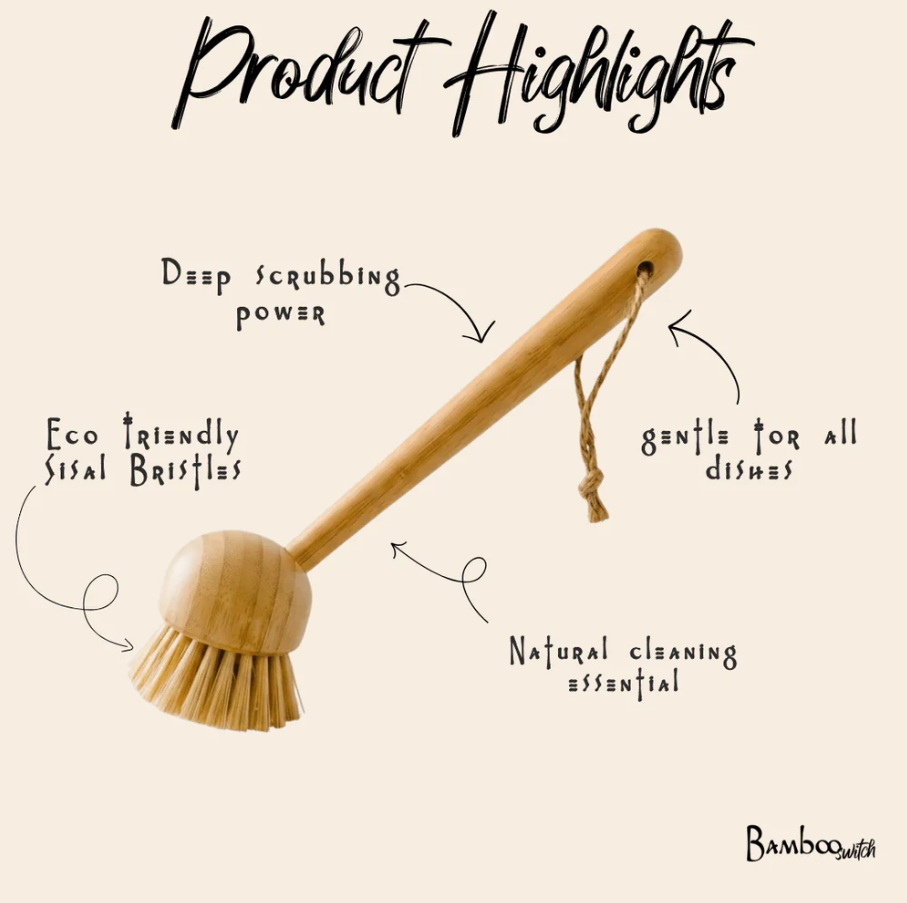
The Bamboo Dish Brush from Bamboo Switch features durable sisal bristles and a sturdy bamboo handle, delivering an effective, plastic-free clean for everyday kitchen messes.
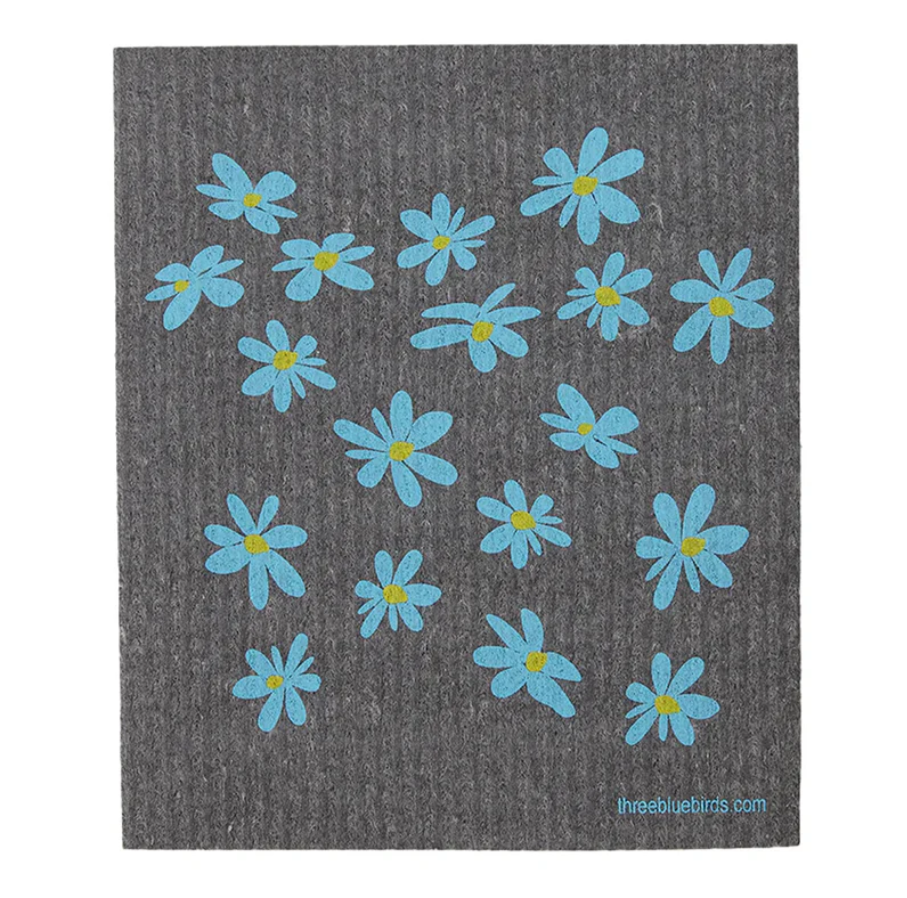
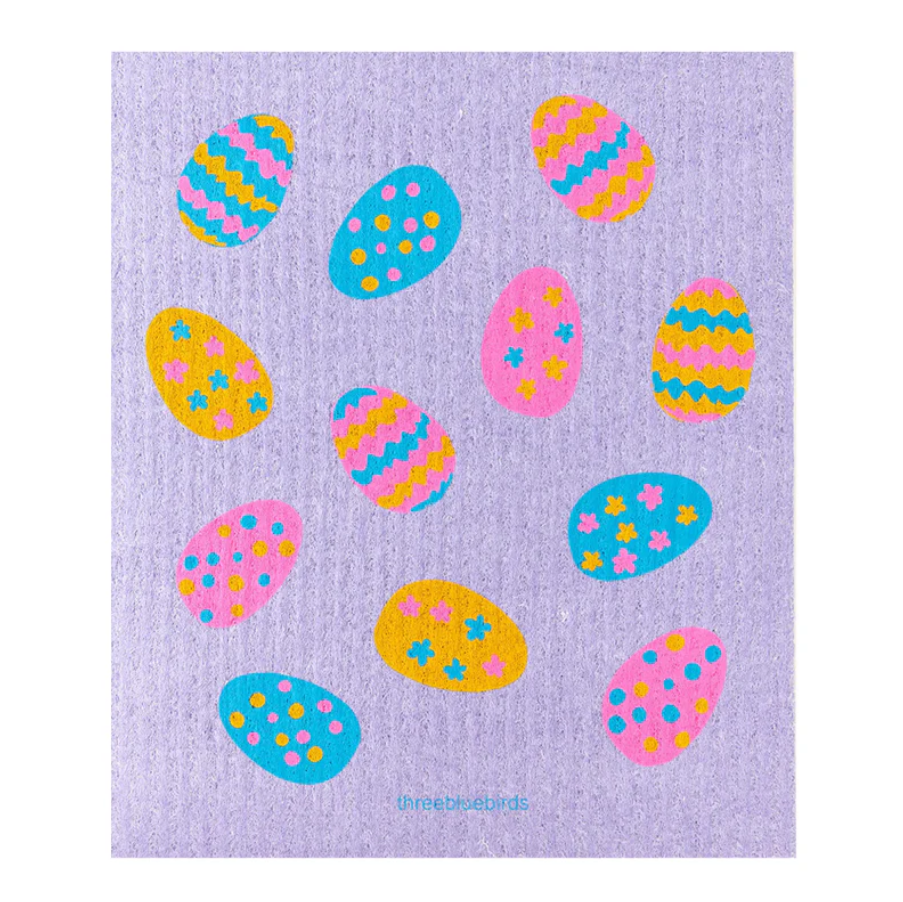
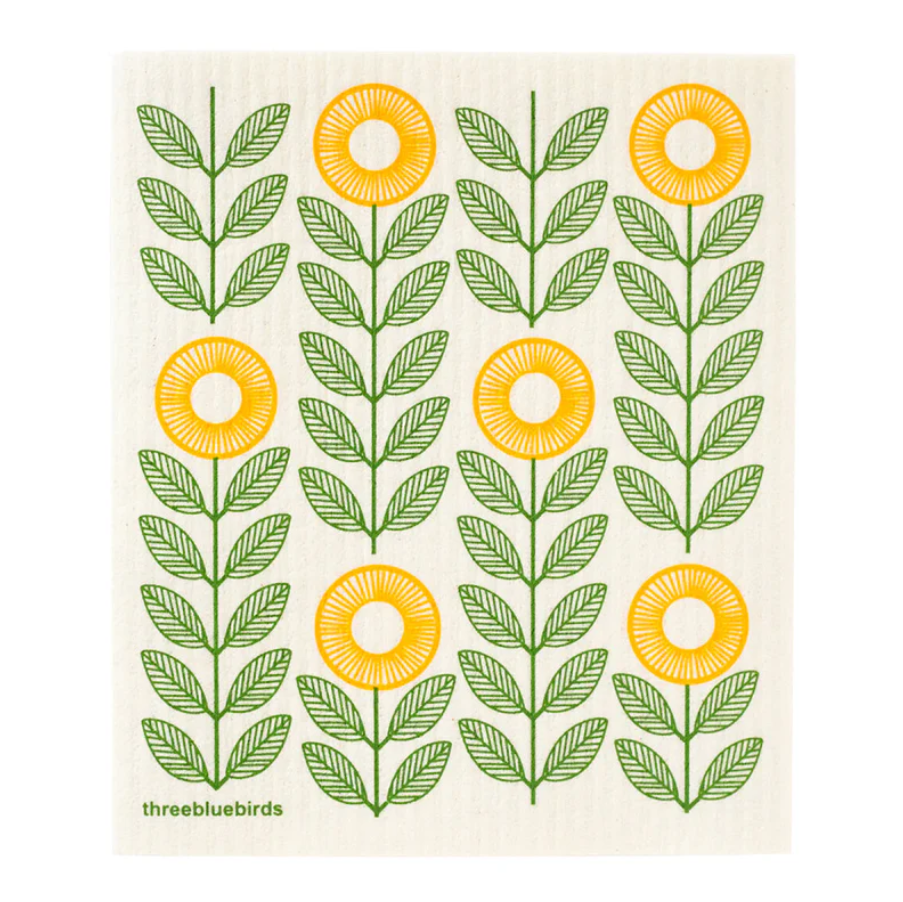
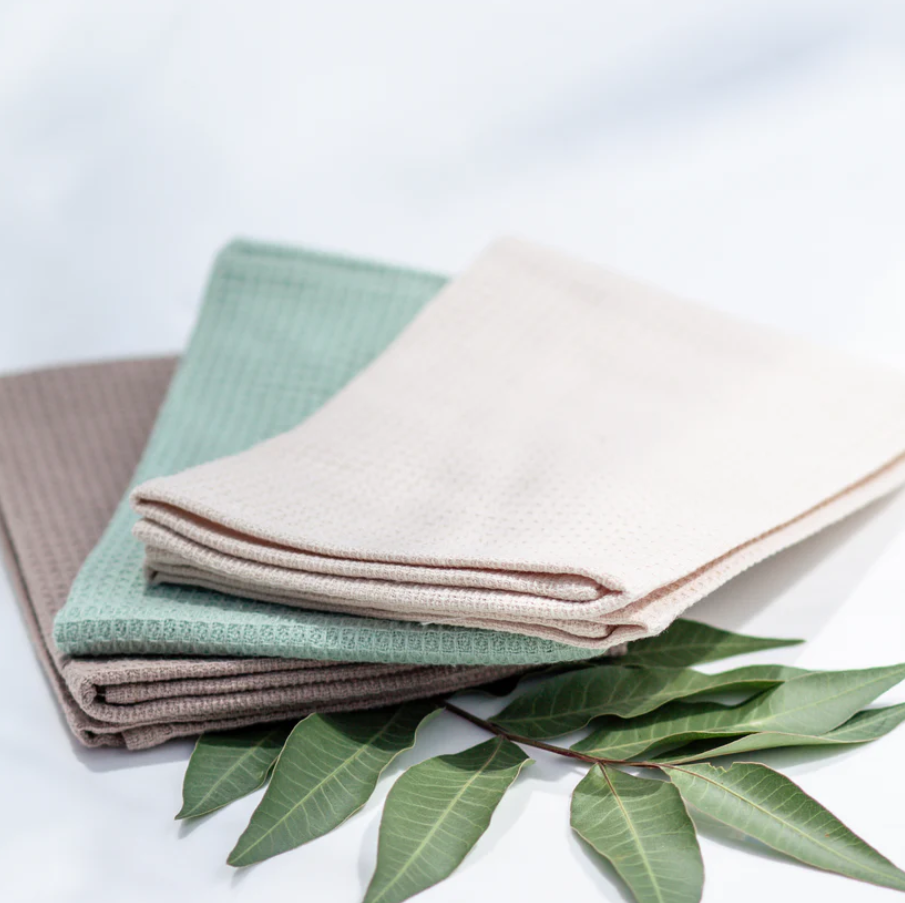
2. Reusable Swedish Dishcloths
Highly absorbent and quick-drying, these cloths can replace disposable paper towels and standard sponges in everyday use.
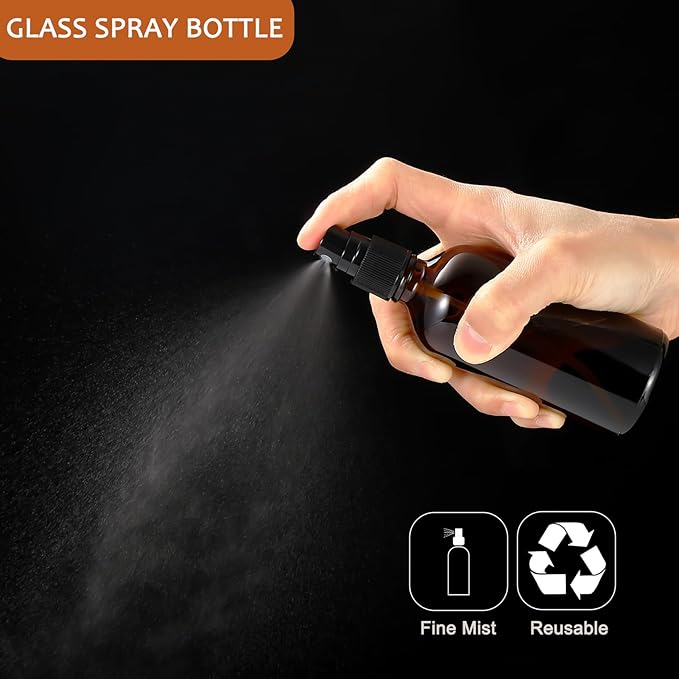
Ideal for homemade or refillable cleaning solutions, glass bottles reduce plastic waste while offering a cleaner, more streamlined look.
The 3.4oz Amber Glass Spray Bottles from ALIFEIA use UV-protective glass and fine mist nozzles, providing a refillable solution for storing and applying natural cleaning sprays.
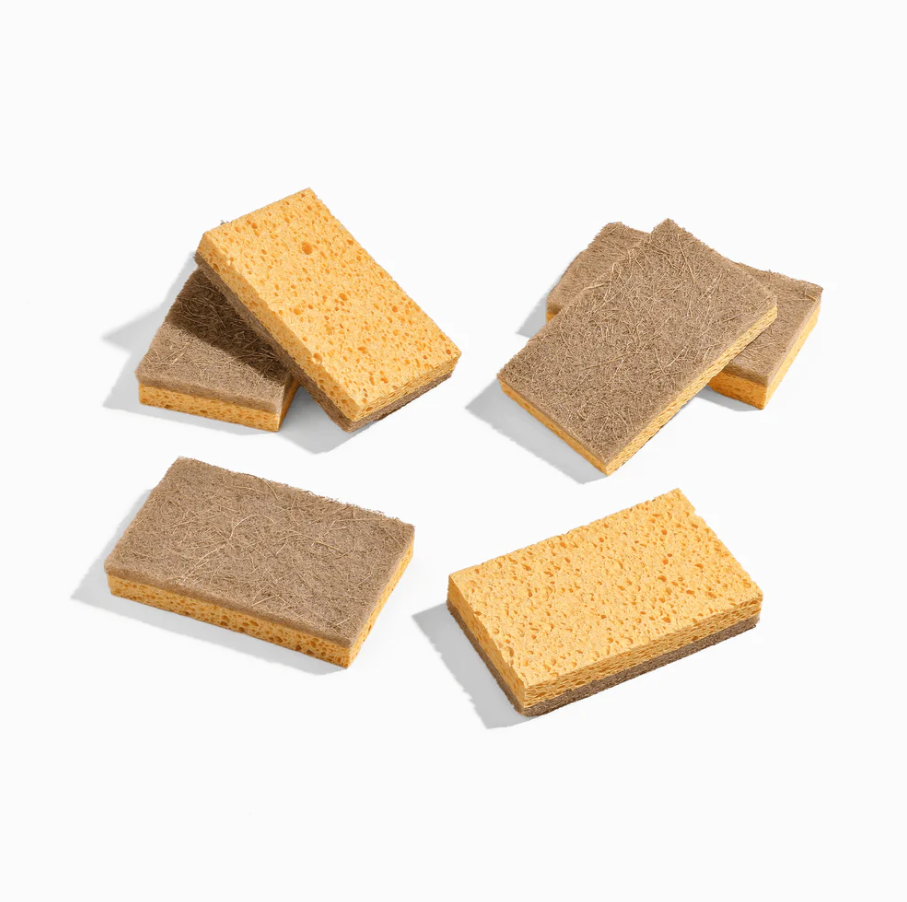
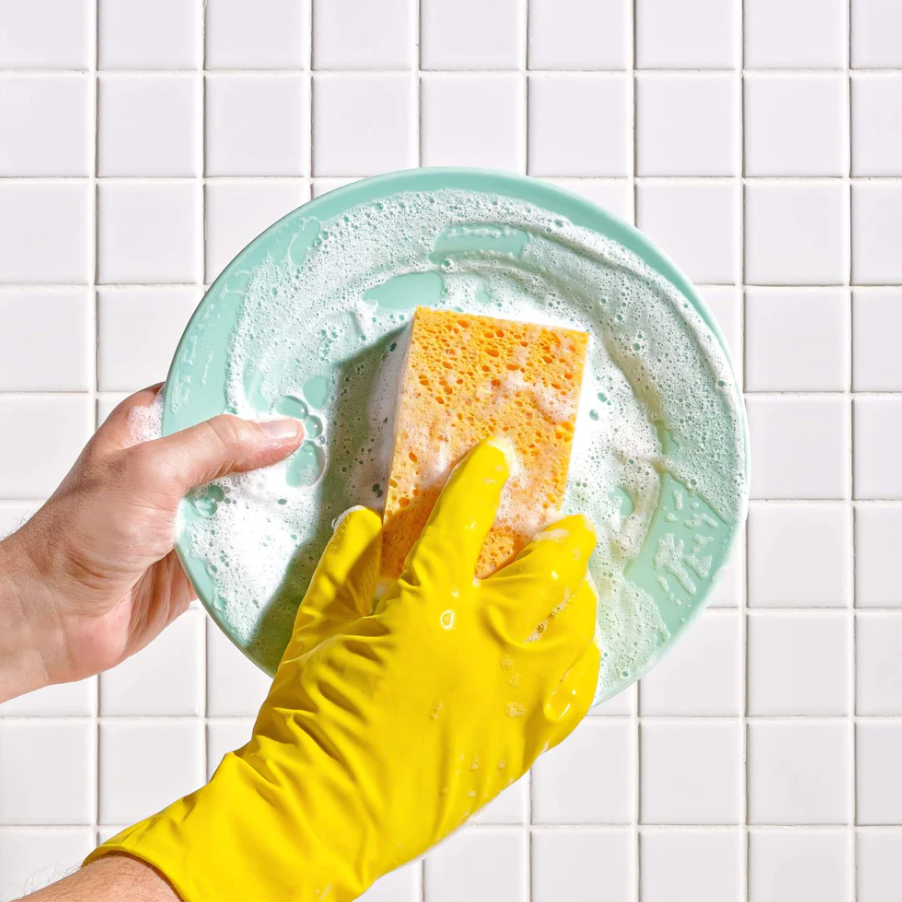
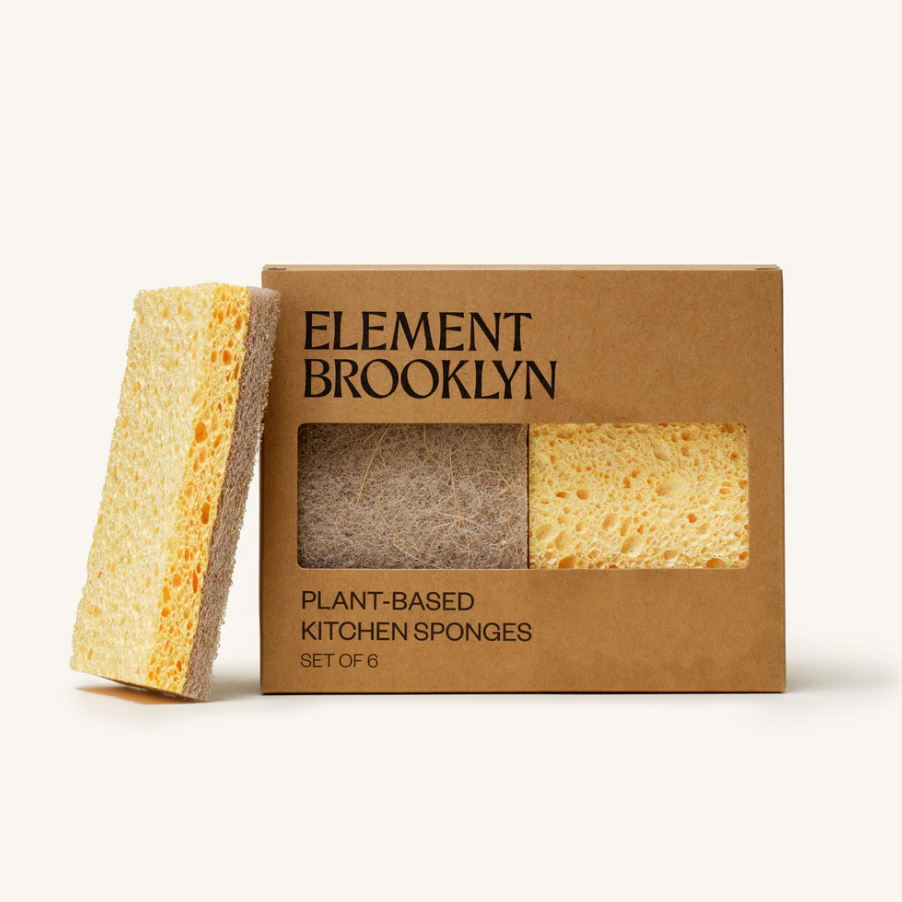
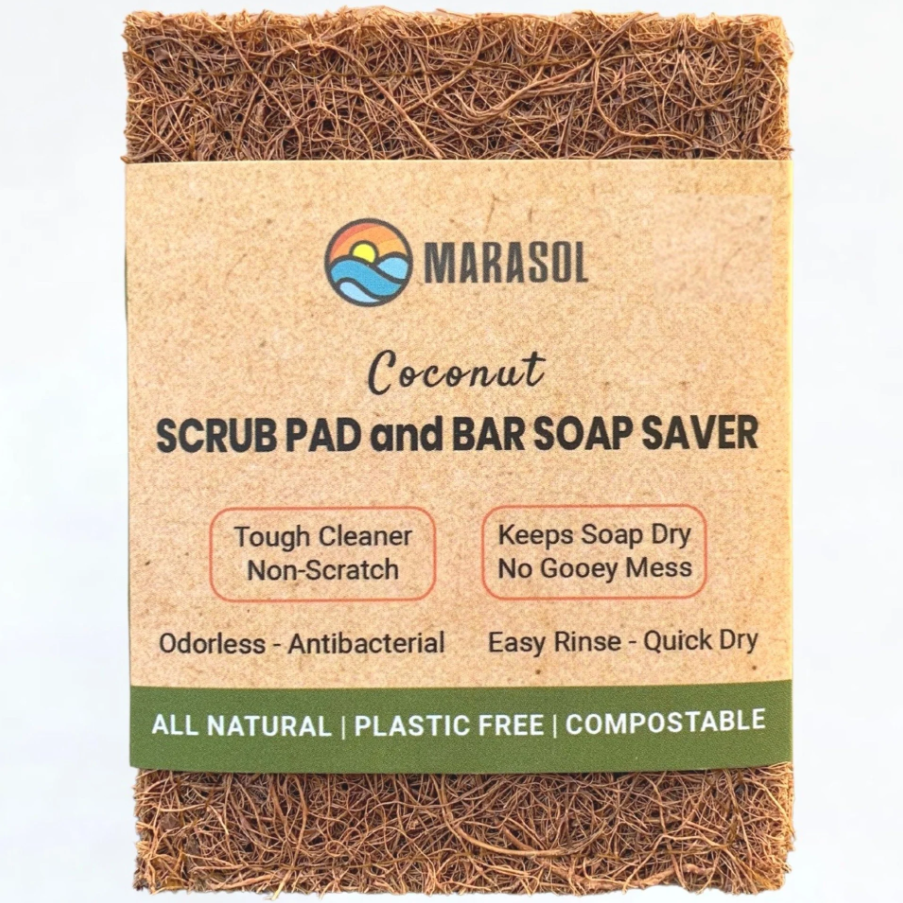
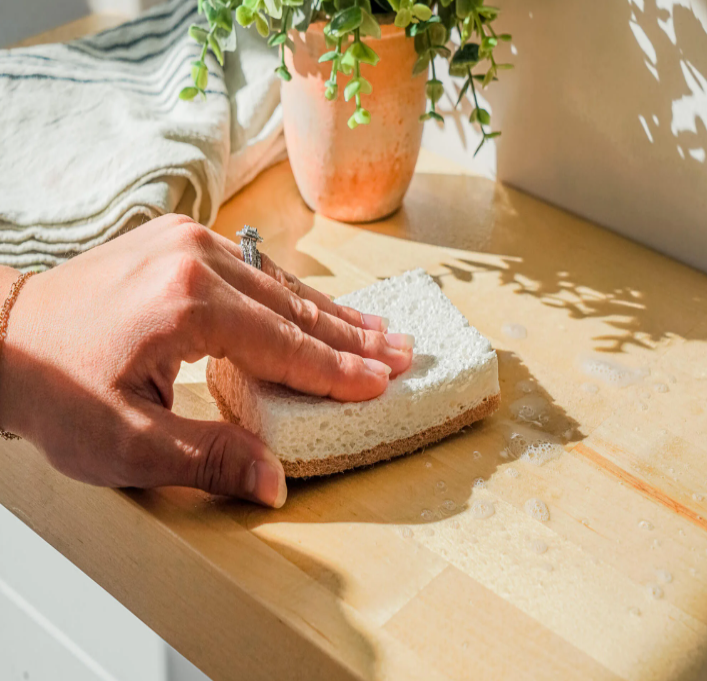
4. Plant-Based Kitchen Sponges
Made from renewable materials, these sponges break down more easily at the end of their lifecycle compared to synthetic options.
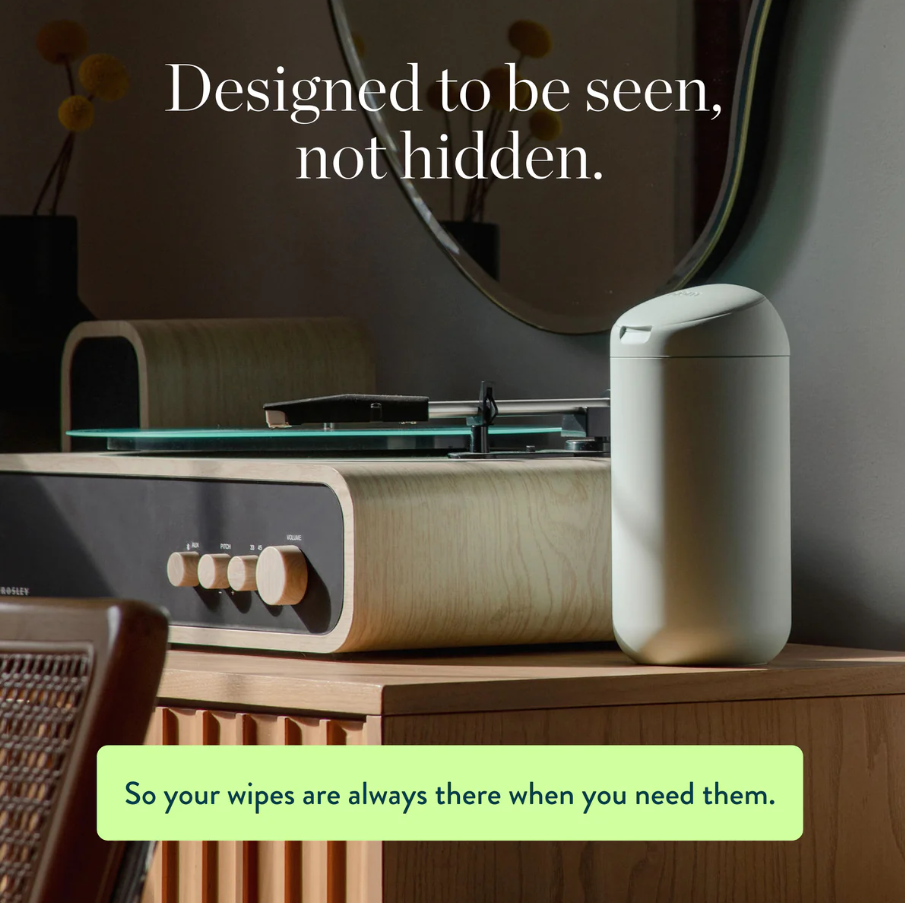
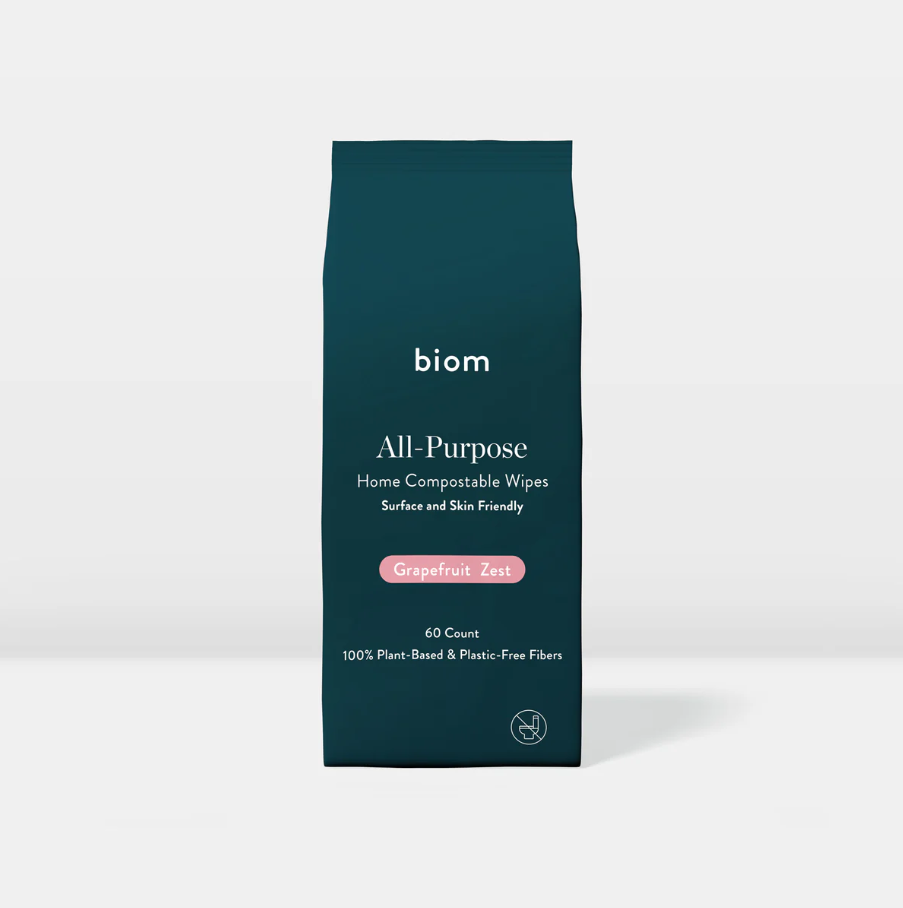
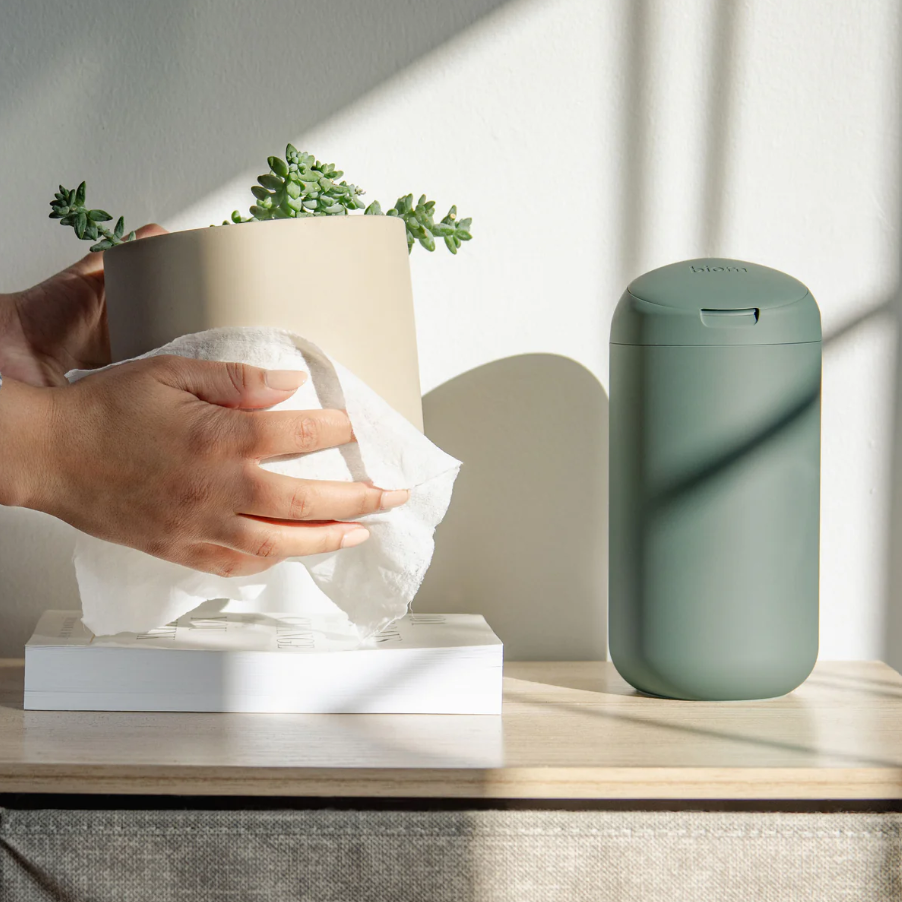
For quick, convenient cleaning, compostable wipes offer a lower-impact alternative to traditional disposable options.
The Standard All Purpose Wipes from biom use 100% plant-based fibers to deliver a strong, non-toxic clean in a fully biodegradable, microplastic-free format.
8. Natural Cellulose Sponges
Lightweight, absorbent, and biodegradable, cellulose sponges are a dependable everyday cleaning tool.
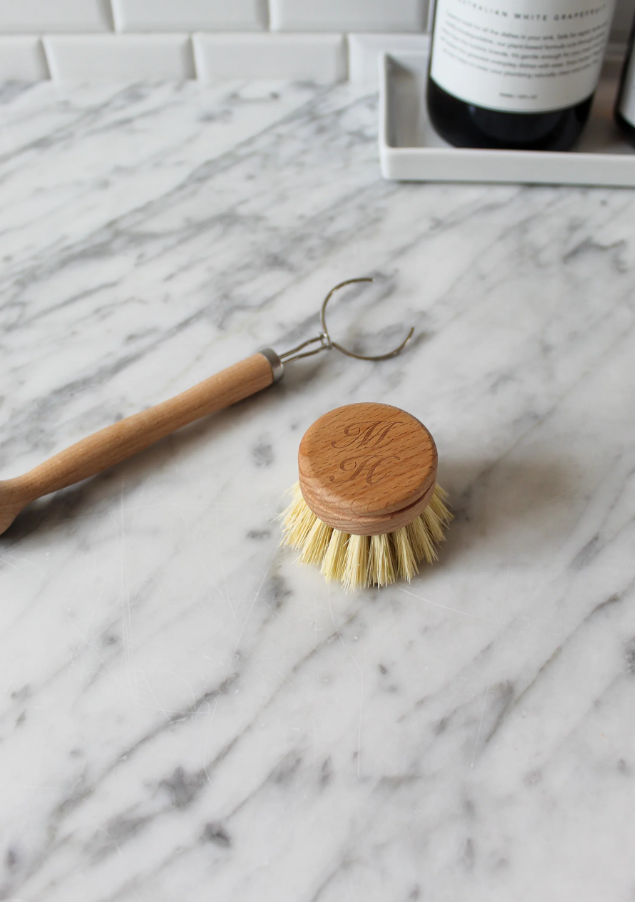
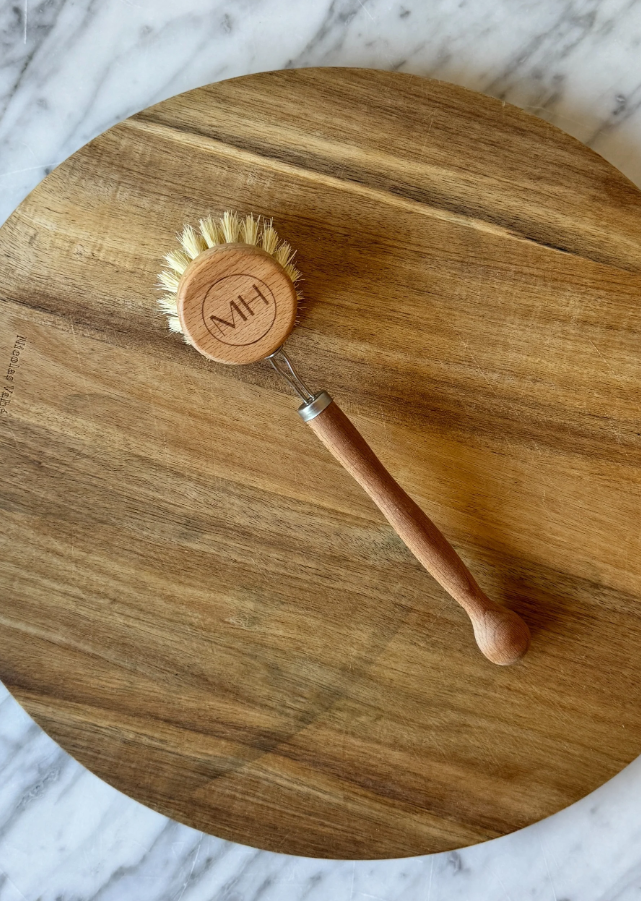
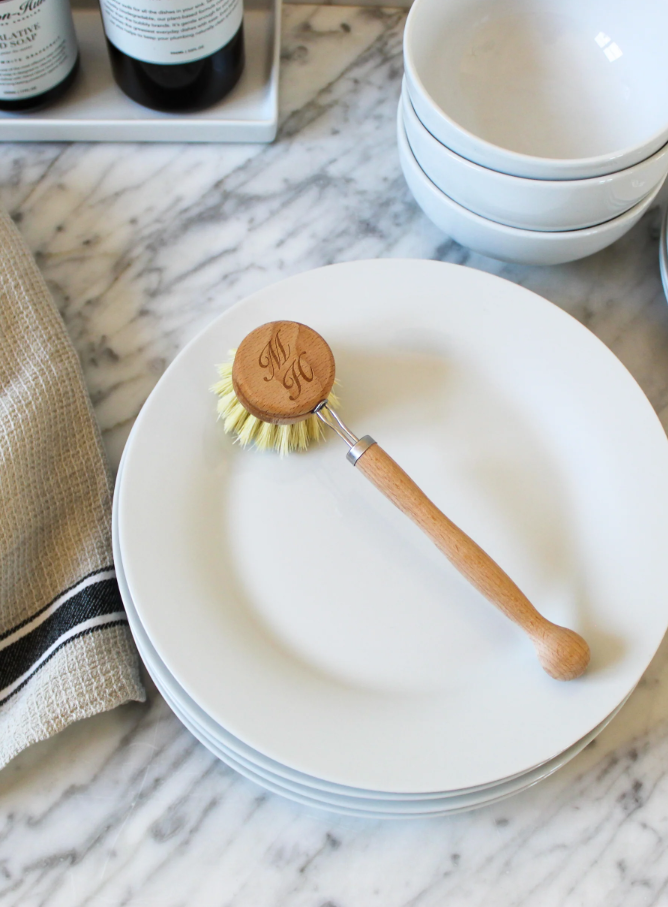
This design extends the life of the tool—only the brush head needs replacing, minimizing waste over time.
The Compostable Dish Brush from Murchison-Hume features a wooden handle and replaceable head with natural bristles, offering a durable, hygienic alternative to disposable sponges.
10. Reusable Microfiber Alternatives
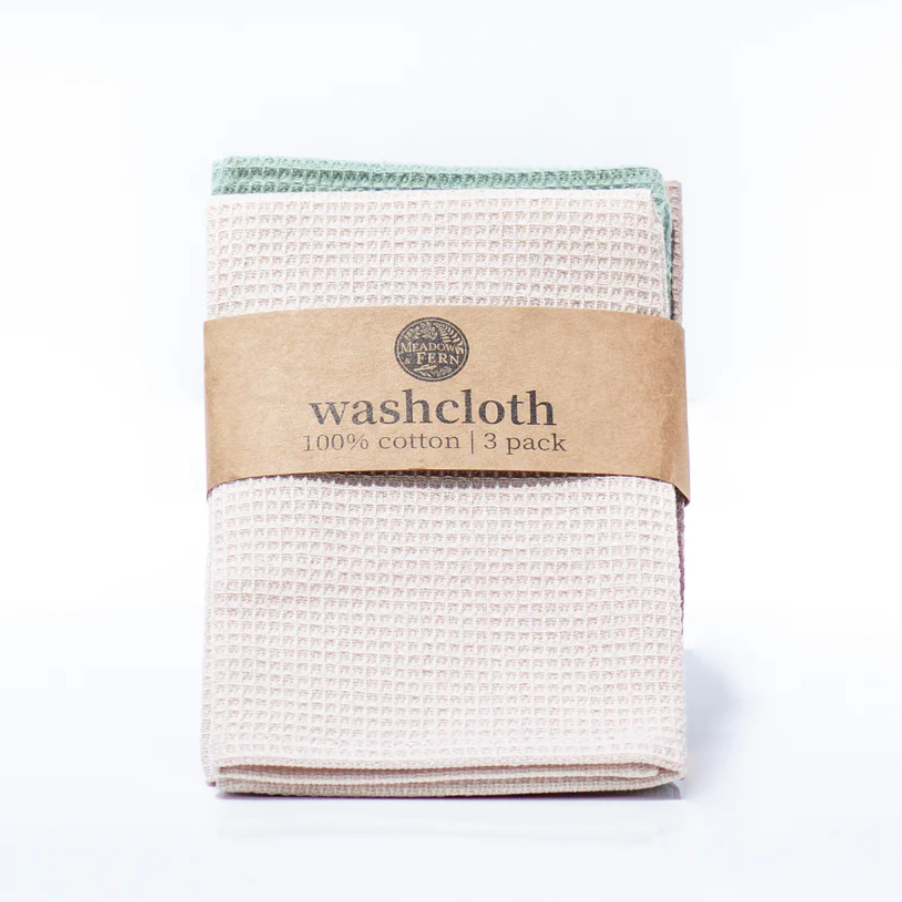
Plant-based or low-impact cloths can effectively trap dust and grime without relying on synthetic fibers.
The Cotton Dish Cloths from Meadow and Fern use 100% natural cotton with a textured weave, delivering a soft, reusable alternative to synthetic microfiber cloths.
How to Build a Simple Green Cleaning Setup
An effective cleaning routine doesn’t require an extensive collection of tools. In many cases, a streamlined setup performs better:
A sturdy scrub brush
A small set of reusable cloths
A refillable spray bottle
One or two multi-purpose sponges or pads
Keeping your tools simple and intentional makes the process more efficient—and easier to maintain over time.
A well-organized kitchen often supports better daily habits overall. For those looking to further refine their space, incorporating thoughtfully selected essential kitchen tools can also help improve workflow and efficiency.
Switching to green cleaning tools is a small change, but the impact builds over time.
The space feels lighter. The air feels clearer. Cleaning becomes less of a task and more of a simple reset that fits naturally into your routine.
Without strong artificial scents or excess supplies, your kitchen begins to reflect a quieter kind of order. It becomes easier to maintain and more enjoyable to use every day.
Once you experience that kind of clean, it becomes the standard you come back to.
It’s 3 PM, your to-do list is still staring back at you, and somehow you’ve scrolled through 12 tabs, answered 8 emails, and accomplished… nothing. S...
A coat often defines your whole fall look — it’s the piece people notice first. The problem is, price tags sting, fabrics sometimes feel flimsy, and...