We may earn a commission from links you visit through Coupon Snake.
A high electric bill is rarely caused by one obvious mistake. More often, it’s the result of small inefficiencies—devices drawing power in the background, systems running longer than necessary, and everyday habits that quietly add up.
The good news is that you don’t need to overhaul your lifestyle to see meaningful savings. The right eco tech gadgets work in the background, reducing unnecessary energy use and improving efficiency without requiring constant attention.
This guide focuses on practical, proven devices that help lower electricity costs in a way that’s both realistic and sustainable.
How to Select Eco Tech Gadgets That Deliver Measurable Savings
Not all energy-saving devices deliver measurable results. To prioritize effectively, focus on tools that address the biggest sources of consumption.
Look for devices that:
Operate frequently or continuously
Replace older or inefficient systems
Automate routine energy use
Target high-impact areas such as cooling, lighting, and standby power
In general, the most effective upgrades are the ones that reduce ongoing waste rather than one-time usage.
In this video by Eco Snooki, a range of energy-saving gadgets, from smart lighting and automated climate controls to solar-powered systems, illustrate how focusing on high-impact areas and continuous energy use can lead to more measurable reductions in electricity consumption.
Categories of Eco Tech Gadgets That Reduce Electricity Consumption
The following categories consistently offer the most noticeable impact, especially when used together.
1. Smart Plugs for Managing Standby Power
Many household devices continue to draw power even when not actively in use. Smart plugs help eliminate this “standby” consumption by automatically cutting power when devices are idle.
They are particularly useful for entertainment systems, chargers, and kitchen appliances.
A compact smart plug like the Shelly Plug US Gen4 can automatically cut standby power, track real-time energy use, and integrate seamlessly with platforms like Apple Home and Alexa—making it easier to eliminate hidden electricity waste without changing your routine.
2. Smart Thermostats for Optimizing Heating and Cooling
Heating and cooling systems are among the largest contributors to energy use. Smart thermostats adjust temperatures based on your schedule and behavior, reducing unnecessary usage while maintaining comfort.
Over time, even small adjustments can translate into meaningful savings.
A smart thermostat like the Honeywell Home T5 helps optimize heating and cooling by learning your routine, adjusting temperatures automatically, and allowing remote control—reducing unnecessary energy use without compromising comfort.
3. LED Lighting Systems for Efficient Illumination
LED lighting is significantly more efficient than traditional bulbs. Newer systems can also adjust brightness based on time of day or occupancy, further reducing unnecessary energy use.
Replacing the most frequently used lights first tends to yield the fastest results.
A smart LED bulb like the VOCOlinc SmartGlow delivers efficient illumination while using a fraction of the energy of traditional lighting, with added features such as scheduling, remote control, and adaptive color temperature for optimized daily use.
4. Smart Power Strips for Reducing Idle Energy Use
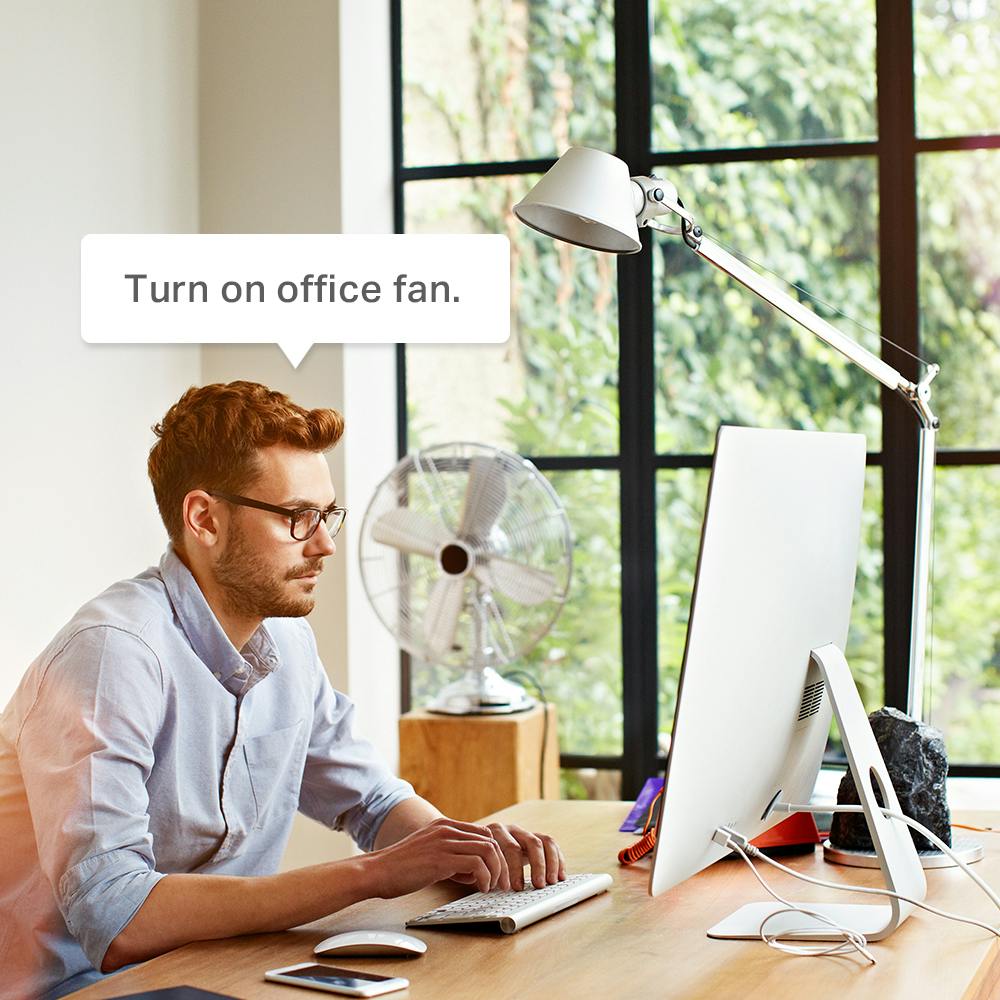
Unlike standard power strips, these devices detect when electronics are not in use and shut off power automatically. This is especially helpful for home offices and entertainment setups with multiple connected devices.
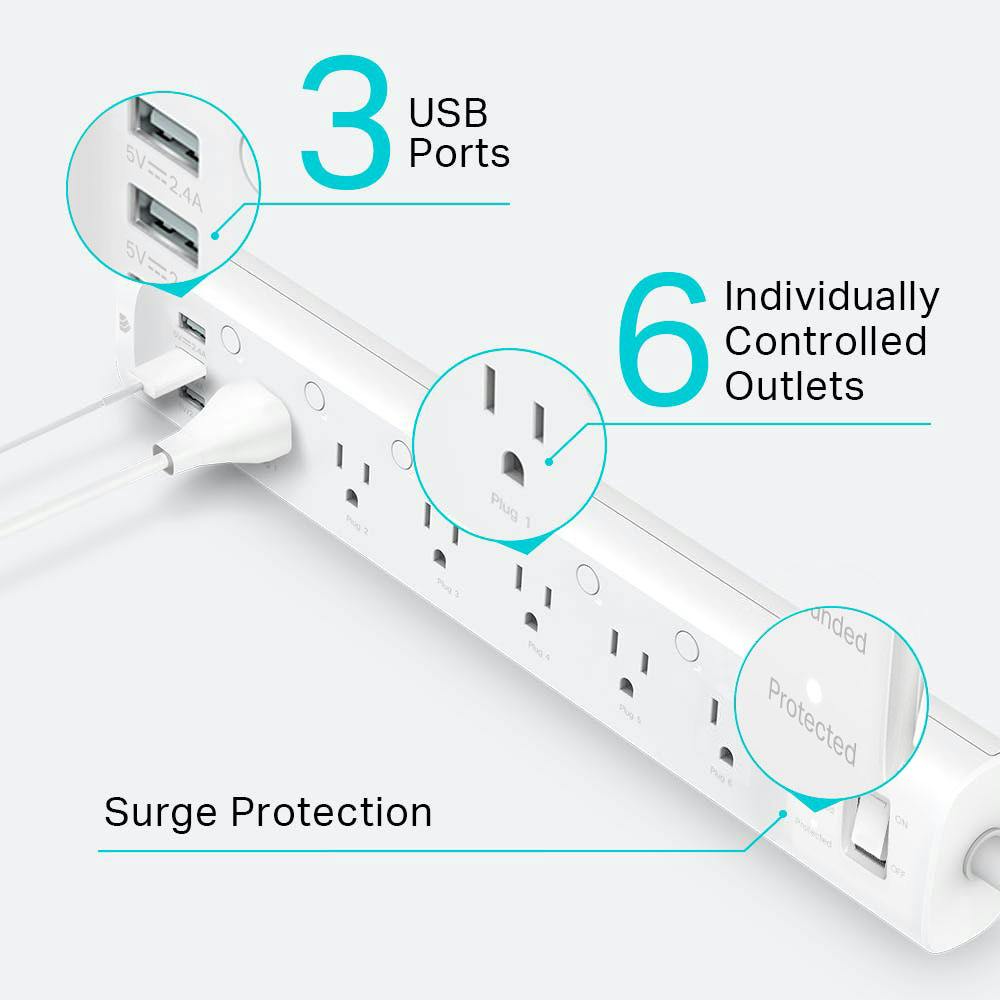
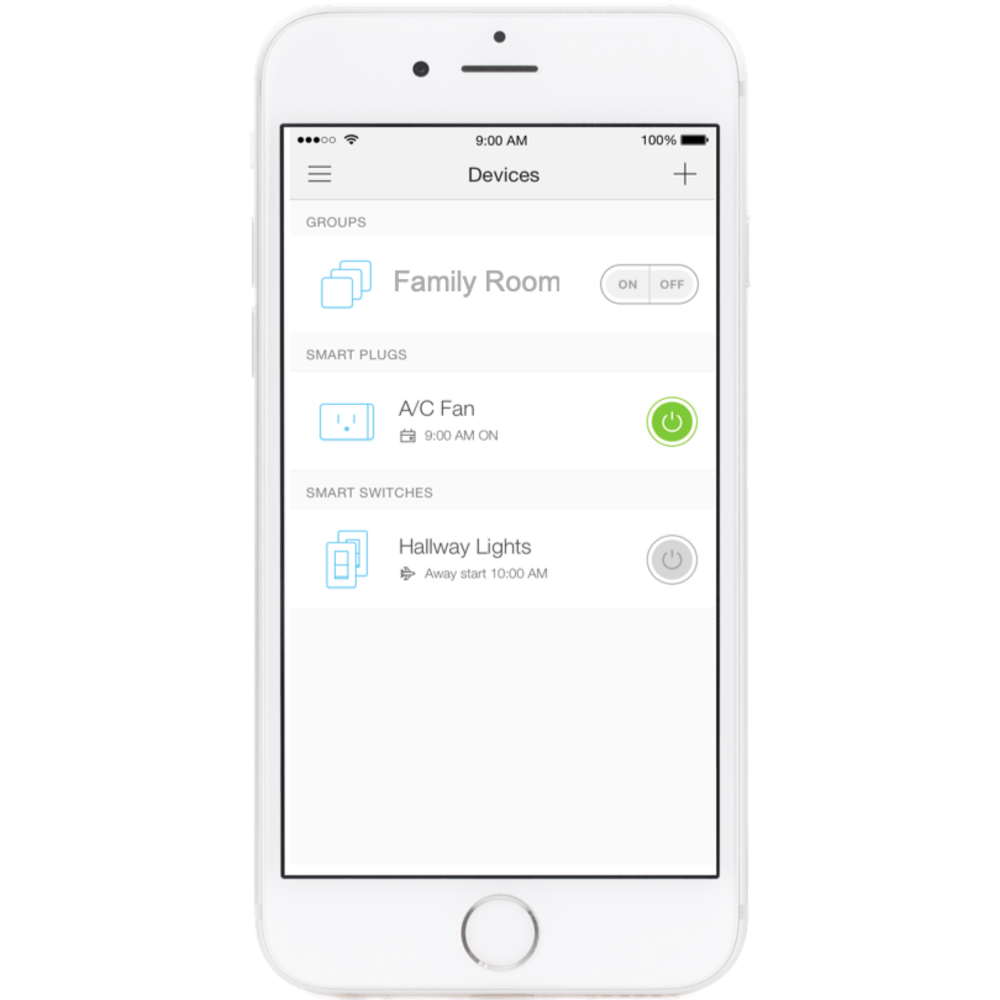
A smart power strip like the Kasa Smart Wi-Fi Power Strip allows you to control multiple devices individually, monitor energy usage, and automatically cut power to idle electronics—helping reduce unnecessary electricity consumption across your setup.
5. Solar-Powered Chargers for Supplemental Energy Use
While they may not replace your primary energy source, solar-powered chargers can reduce reliance on grid electricity for small devices. Over time, this contributes to incremental savings.
For those interested in expanding this approach, portable solar setups can offer more flexibility without requiring a full installation (learn more).
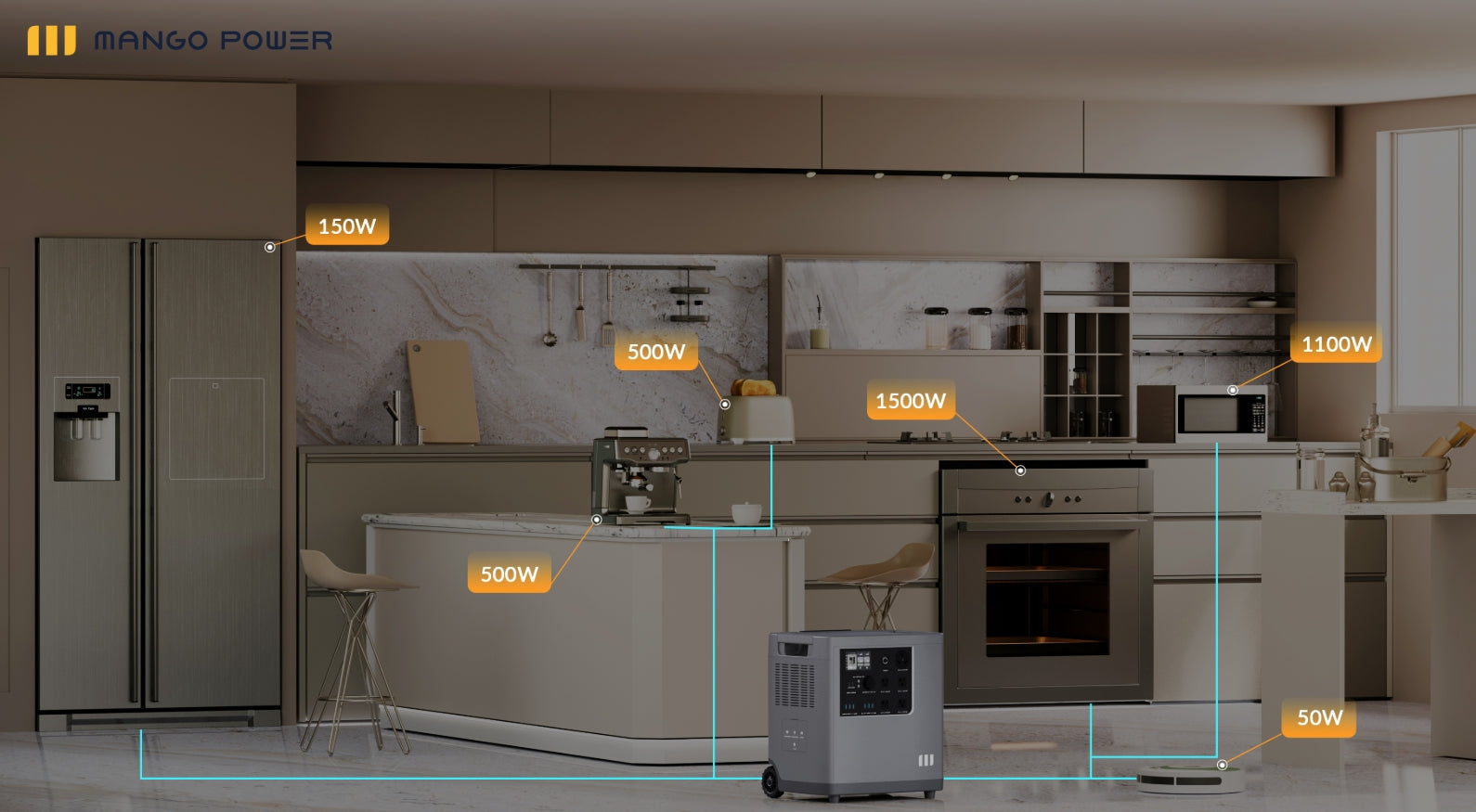
A portable power station like the Mango Power E extends beyond basic solar charging, offering high-capacity backup power and the ability to run heavy-duty appliances—helping reduce reliance on grid electricity during peak usage.
Strategies for Maximizing Energy Savings from Your Setup
Choosing the right devices is only part of the equation. The way they’re used, and how they work together, has a significant impact on overall savings.
In this video by University of Illinois Extension, practical strategies such as managing thermostat settings, sealing air leaks, maintaining appliances, and reducing standby power demonstrate how targeting high-consumption areas, improving consistency, and optimizing everyday usage can lead to more meaningful and sustained energy savings.
1. Prioritize High-Consumption Areas
Prioritize systems that run the longest, such as cooling, lighting, and continuously operating appliances. Improvements in these areas tend to have the largest effect.
2. Use Automation to Improve Consistency
Many inefficiencies come from simple habits—forgetting to turn off lights, leaving devices plugged in, or maintaining fixed temperatures throughout the day.
Automation helps address this by adjusting energy use automatically, without requiring constant attention.
3. Integrate Devices to Improve Overall Efficiency
Energy savings increase when devices are used together rather than in isolation. For example:
Smart plugs can manage multiple devices in one area
Lighting can align with daily routines
Temperature settings can adjust based on occupancy
These small integrations can produce more consistent results over time.
4. Evaluate the Efficiency of Continuously Operating Appliances
Some devices run for long periods and can significantly affect your bill if they are inefficient.
Appliances such as dehumidifiers are a good example. Choosing an energy-efficient model can make a noticeable difference in both performance and long-term cost (see what to consider).
5. Transition Toward a More Integrated Home System
As you add more devices, your home can gradually become more responsive and efficient overall.
Many households eventually expand into broader smart home setups, where energy management works alongside security and daily automation (explore options).
When Energy Efficiency Becomes Part of Your Everyday Environment
Improving your home’s energy efficiency doesn’t require a complete overhaul. It starts with a few well-chosen upgrades that work quietly in the background.
The key is to begin where it matters most. Focus on the areas with the greatest impact, choose devices that reduce effort, and allow your setup to evolve over time.
Small changes, when applied consistently, lead to meaningful results. Once those systems are in place, the benefits extend beyond cost savings—your home becomes easier to manage, more predictable, and more aligned with how you actually live.
If you’re considering where to start, begin with one or two high-impact upgrades. From there, you can build a system that not only reduces your electric bill, but also supports a more efficient and sustainable way of living.