We may earn a commission from links you visit through Coupon Snake.
For many adults, nighttime is when stress finally catches up.
The day slows down, distractions fade, and suddenly your mind gets louder. Thoughts race. Worries surface. Even when your body feels tired, your brain stays alert—replaying conversations, planning tomorrow, or scanning for problems that don’t need solving at midnight.
This experience is common, especially during periods of sustained stress or mental overload. It doesn’t mean you’re doing anything wrong. It means your nervous system hasn’t fully transitioned out of alert mode.
This guide focuses on affordable self care products and simple nighttime shifts that help signal safety, quiet mental noise, and make it easier to settle into rest, without complicated routines or overspending.
Why It’s Harder to Relax at Night
Stress doesn’t always end when the day does.
During waking hours, your nervous system stays engaged to help you respond to responsibilities and decisions. At night, that heightened state can linger. When external stimulation drops, internal thoughts often become more noticeable, which can make relaxation feel harder instead of easier.
This pattern tends to intensify during periods of sustained stress. Many people notice their sleep quality decline during demanding seasons, when emotional load accumulates without enough time to decompress. Understanding how stress carries into rest time can help explain why nights feel more difficult than expected.
https://www.youtube.com/watch?v=wkGWwyrCoRs
For a clear, therapist-led explanation of why anxiety tends to spike at bedtime, this video from Therapy in a Nutshell breaks down how the brain can learn to associate nighttime with worry. Licensed therapist Emma McAdam explains why racing thoughts linger after the day ends and introduces practical techniques—like deliberate worry—that help retrain the brain to process concerns earlier, making it easier to rest at night.
What Helps the Mind Wind Down More Effectively
Research and sleep specialists consistently point to two foundational elements for better nighttime rest: predictability and reduced stimulation.
1. Consistent Wind-Down Cues
Repeating the same small actions each night helps your brain recognize that it’s time to shift gears. These cues don’t need to be elaborate. In fact, simpler routines are often easier to maintain and more effective over time.
2. A Lower-Sensory Environment
Bright lighting, loud sounds, and visual clutter keep the brain engaged. Softening those inputs, through dimmer lighting, quieter surroundings, and comfortable textures, can reduce the mental effort required to relax.
Together, these changes support a gradual transition into rest rather than an abrupt stop.
https://www.youtube.com/watch?v=8XMtzhFNykk
If your mind has trouble slowing down on its own, this guided Yoga Nidra sleep meditation from BrettLarkinYoga walks you through what winding down can actually feel like. You’re guided to get physically comfortable, soften sensory input, and shift attention gently through the body and breath—giving your nervous system a steady, predictable focus that makes it easier to let go of alert mode and ease toward rest.
How Affordable Self Care Products Can Support Calm Nights
Affordable self care products are most helpful when they reinforce these principles instead of adding complexity.
1. Physical Comfort and Grounding
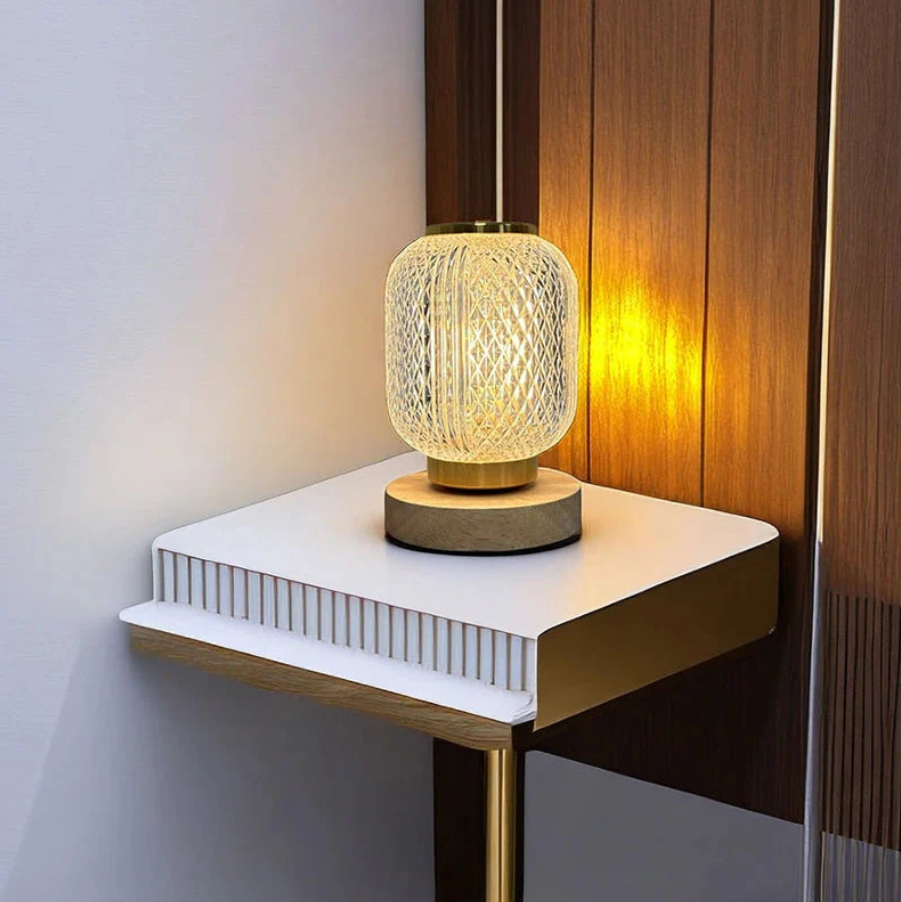
Items that create warmth or softness, such as cozy layers or low-glow lighting, help the body feel physically settled. This type of sensory grounding can ease restlessness without requiring focused attention.
Using specific items only in the evening helps build mental association. Over time, your brain begins to connect those cues with winding down, making relaxation more automatic.
Reducing sensory input at night can make it easier for the mind to settle. The Manta Sleep PRO Sleep Mask creates complete blackout without pressure, even for side sleepers, while the SNOOZ White Noise Machine provides steady, natural sound that masks disruptive noise. Used consistently, these cues help create a stable, quiet environment that supports deeper rest.
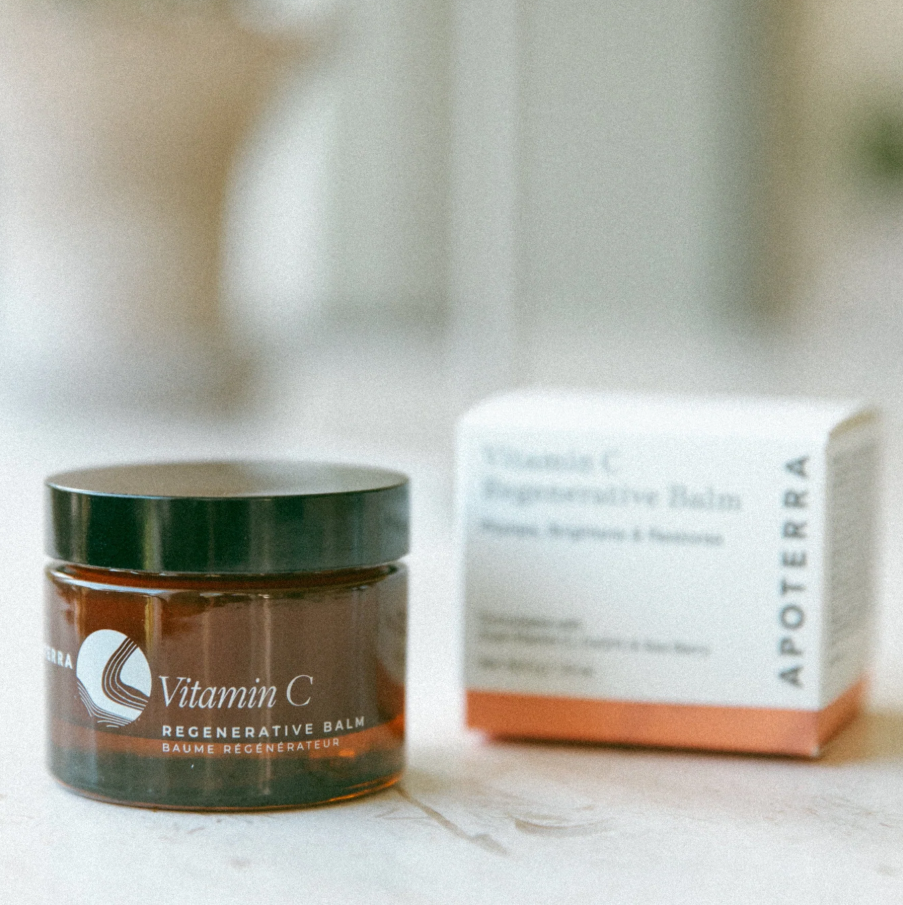
Evening self care works best when it avoids stimulation. Products with mild scents, simple formulations, and calming textures are generally easier to integrate into nighttime routines without keeping the mind alert.
For readers interested in minimizing irritation or sensory overload before bed, opting for gentler care options can be especially supportive.
The goal of nighttime self care isn’t to add steps. It’s to use the right signals at the right time.
Earlier, we looked at how physical comfort, reduced sensory input, and gentle evening care help your nervous system shift out of alert mode. A wind-down routine is simply the way those elements come together in real life. When the same cues repeat each night, your body learns what to expect—and resistance around bedtime often softens on its own.
1. A Simple Wind-Down Built on These Signals
A routine works best when it feels familiar rather than optimized.
On low-energy nights (5–10 minutes): Lower the lights. Change into something soft. Use one comfort cue or night-only item you’ve already associated with rest. Put your phone face-down or out of reach.
When you have more time (15–30 minutes): Add a warm, caffeine-free drink. Keep sound low and steady. Let your evening care stay simple and unhurried. Repeat the same sequence without adjusting it from night to night.
What matters here isn’t the length of the routine; it’s that the signals remain consistent. Over time, your body starts responding to them automatically, even on stressful days.
https://www.youtube.com/watch?v=7S0QLEF7EwY&t=1s
If you want to see how a simple wind-down routine can work in real life, this video from Brittney Blane walks you through a peaceful night sequence built on clear boundaries and familiar cues. You’ll see how ending work at a consistent time, preparing your sleep environment, keeping nighttime care simple, and stacking the same small habits each evening help your brain shift out of work mode and into rest—without pressure to fall asleep on command.
2. What Can Disrupt the Calm You’ve Set Up
Because these cues are subtle, they’re also easy to override.
Bright screens, constant scrolling, or trying to “make” yourself sleep can reactivate the same alert systems you’re trying to quiet. Even well-meaning routines can backfire if they feel like another task to manage or perfect.
If something introduces pressure, novelty, or mental effort, it’s likely working against the calm you’ve already created.
A smoother night usually comes from protecting the environment you’ve built, not adding more to it. When your routine reinforces the same sensory and emotional signals each evening, rest becomes less of a struggle—and more of a habit your body remembers.
https://www.youtube.com/watch?v=isPxdnIND5k
If you’ve ever wondered why a short scroll can undo an otherwise calm night, this Vox explainer breaks down what’s really happening. You’ll learn why screens disrupt sleep not just because of blue light, but also because of brightness, how long you’re exposed, and the kind of content you consume. It reinforces why protecting the calm you’ve already created matters more than relying on night mode alone.
A More Sustainable Approach to Nighttime Calm
Calm at night isn’t something you force, it’s something you create the conditions for.
Affordable self care products can play a supporting role by making your environment feel quieter, softer, and less demanding. When combined with consistent cues and reduced stimulation, these small adjustments can help your nervous system relearn how to rest.
Better nights often come from accumulation, not overhaul. Subtle changes, repeated over time, tend to be the most sustainable.