We may earn a commission from links you visit through Coupon Snake.
Let’s be honest—rolling an ankle halfway through a hike is the fastest way to turn a perfect trail day into an unplanned rest stop. Whether you’re chasing mountain summits, forest solitude, or weekend escapes, the right pair of hiking boots can make every step feel secure and steady.
This guide rounds up the best hiking boots that blend stability, comfort, and protection so you can stay sure-footed from the first mile to the last. Think of it as your trail companion—here to help you find a boot that fits your terrain, your stride, and your sense of adventure.
Why Ankle Stability Matters on the Trail
Ankle rolls happen fast — one bad step on loose gravel or a slick root, and your hike could end before it really begins. In reality, stability isn’t luck; it’s what keeps you moving confidently across uneven ground.
According to the Outdoor Industry Association’s 2024 report, about 175.8 million Americans enjoyed outdoor recreation in 2023 — the highest number ever recorded. With more people exploring the trails than ever before, investing in the best hiking boots with proper ankle support has become essential for safety and comfort alike.
What’s more, research shows that injured ankles are slower to regain balance after a stumble (Alomar et al., 2023). When you add natural fatigue, slippery slopes, or rocky terrain to the mix, even experienced hikers can be caught off guard. In fact, one study found that roughly 9% of hikers experienced ankle sprains — nearly half of them on scree or downhill paths (Lam, Lui & Chan, 2011).
Here are the most common culprits behind ankle rolls:
Weak lateral support or overly soft midsoles
Low collars or thin padding that fail to lock the ankle
Slippery outsoles that lose grip on wet or rocky ground
Poor fit or heel slippage that throws off your balance
In short, the trail will test your footing sooner or later. That’s why the best hiking boots aren’t just about comfort — they’re your first line of defense, keeping every step steady and every adventure worry-free.
https://www.youtube.com/watch?v=h0pCNs9P13I
Even one careless step can turn a great hike into a painful setback. In this video, Dr. Rion A. Berg explains how to prevent ankle sprains before they happen — from picking supportive boots to strengthening your ankles for rough terrain. It’s the perfect watch if you’ve ever wondered what really keeps your footing steady when the trail gets unpredictable.
What to Look for in the Best Hiking Boots for Ankle Support
When it comes to choosing the best hiking boots, ankle protection isn’t about bulk — it’s about balance. The goal is to find a boot that feels sturdy enough to steady your footing but flexible enough to move naturally with every step. A good pair should act like a safety net for your ankles without feeling like a cast.
Here’s what to look for when finding that perfect blend of comfort and control.
https://www.youtube.com/watch?v=CIGA0lBcBMY
Before you dive into what makes a great ankle-supportive hiking boot, get a big-picture view of how different hiking footwear stacks up. In this in-depth video, Mowser walks through the pros and cons of boots, trail shoes, and runners — helping you understand how structure, traction, and fit all play into stability on uneven ground.
1. Supportive Structure
Look for boots with a firm midsole and reinforced side panels. These features keep your foot aligned and prevent excessive rolling on uneven ground. High-cut designs offer extra protection around the ankle — a bonus if you’re hiking on rocky, unstable terrain.
2. Secure Fit
Your heel should stay locked in place without pressure points or rubbing. A snug, stable fit prevents the micro-slips that often lead to ankle strain or blisters. Remember: fit trumps fashion every time on the trail.
3. Reliable Traction
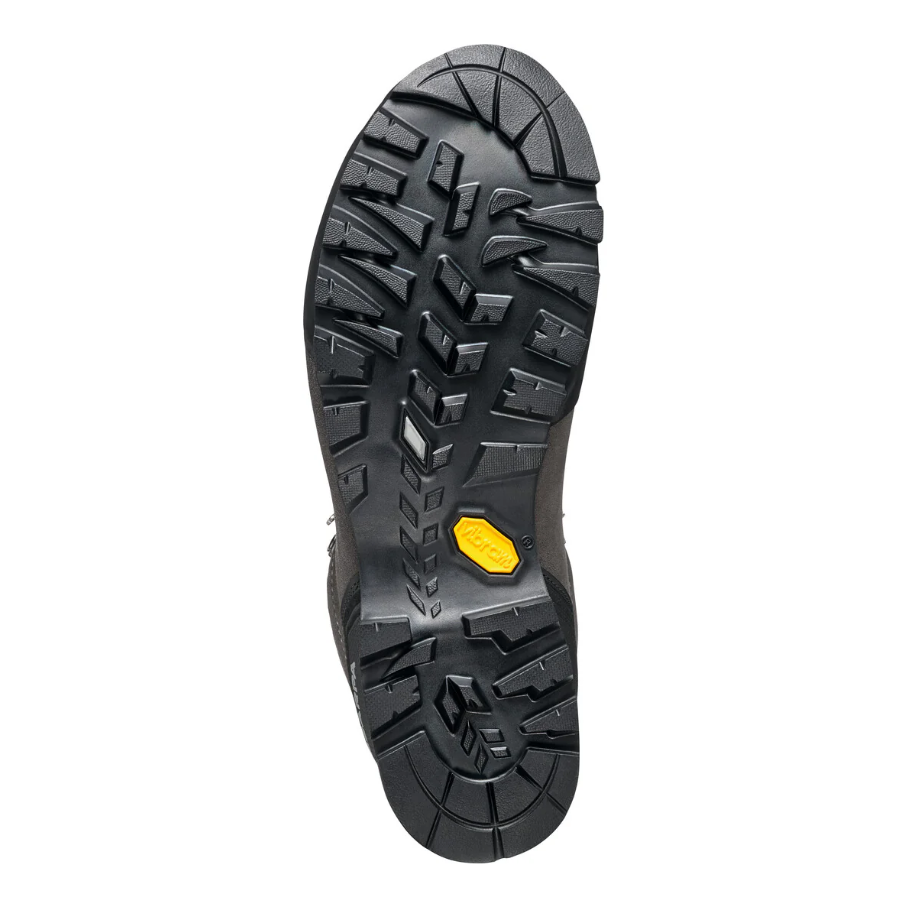
The outsole is your connection to the earth — choose one with deep, multi-directional lugs and grippy rubber (like Vibram®). This gives you traction across mud, rock, and slick roots, minimizing slips before they start.
4. Comfort That Lasts
Stability doesn’t mean stiffness. Cushioning in the midsole and padding around the collar help absorb shock and reduce fatigue over long hikes. Look for materials that mold slightly to your foot over time without losing support.
5. Weather Protection
For all-season hiking, waterproof membranes like Gore-Tex® keep your feet dry without trapping heat. Wet feet lose traction faster, and damp socks increase the risk of blisters — both of which make your ankles work harder to stay stable.
6. Weight That Matches Your Terrain
If you’re tackling technical trails or carrying heavy packs, go for mid- or high-cut boots with durable uppers. For lighter day hikes, a more flexible boot can still give you support without the bulk.
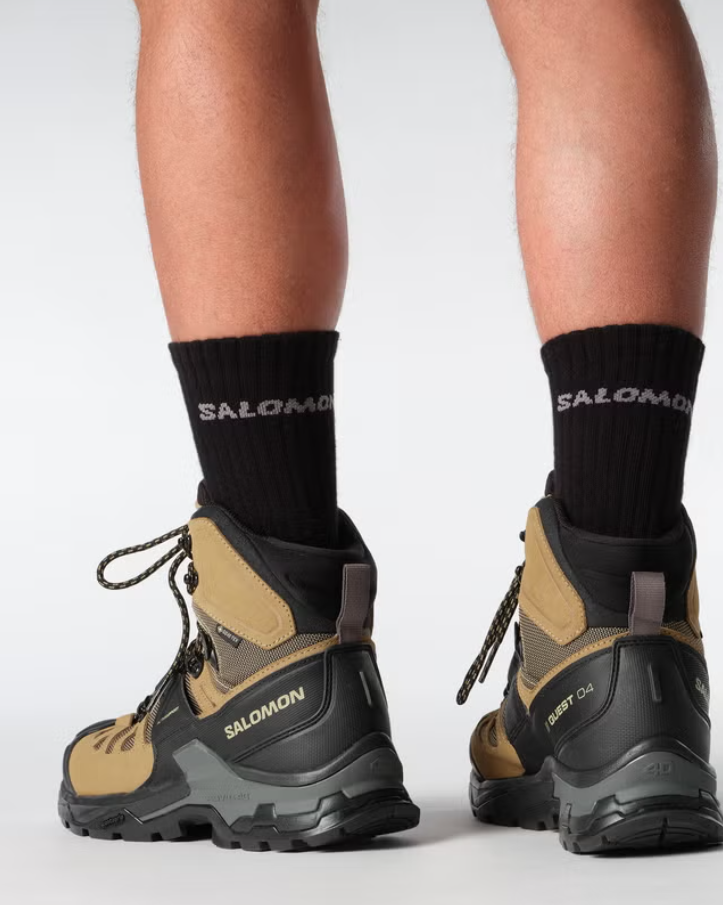
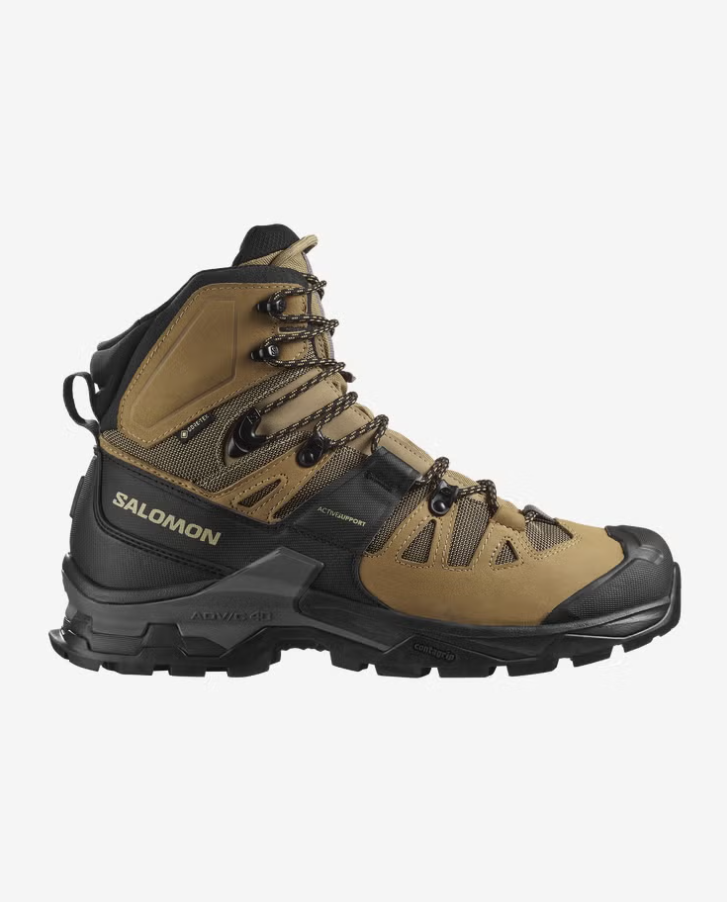
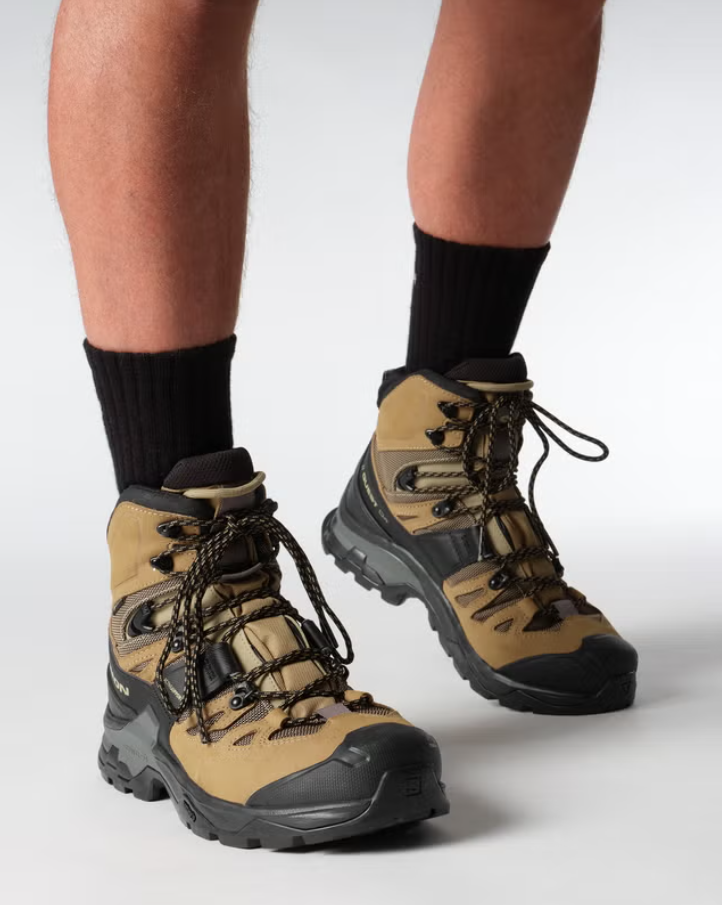
Built for serious hikers who crave stability on unpredictable terrain, the Salomon Quest 4 GTX blends rugged protection with smooth motion control.
Its 4D Advanced Chassis keeps every stride balanced—especially when your pack feels heavy or the trail turns steep. With a GORE-TEX membrane shielding you from downpours and a molded OrthoLite® insole keeping your feet cushioned mile after mile, this boot thrives on technical trails and long-distance treks.
When stability matters most, the Quest 4 GTX is that quiet anchor you can count on.
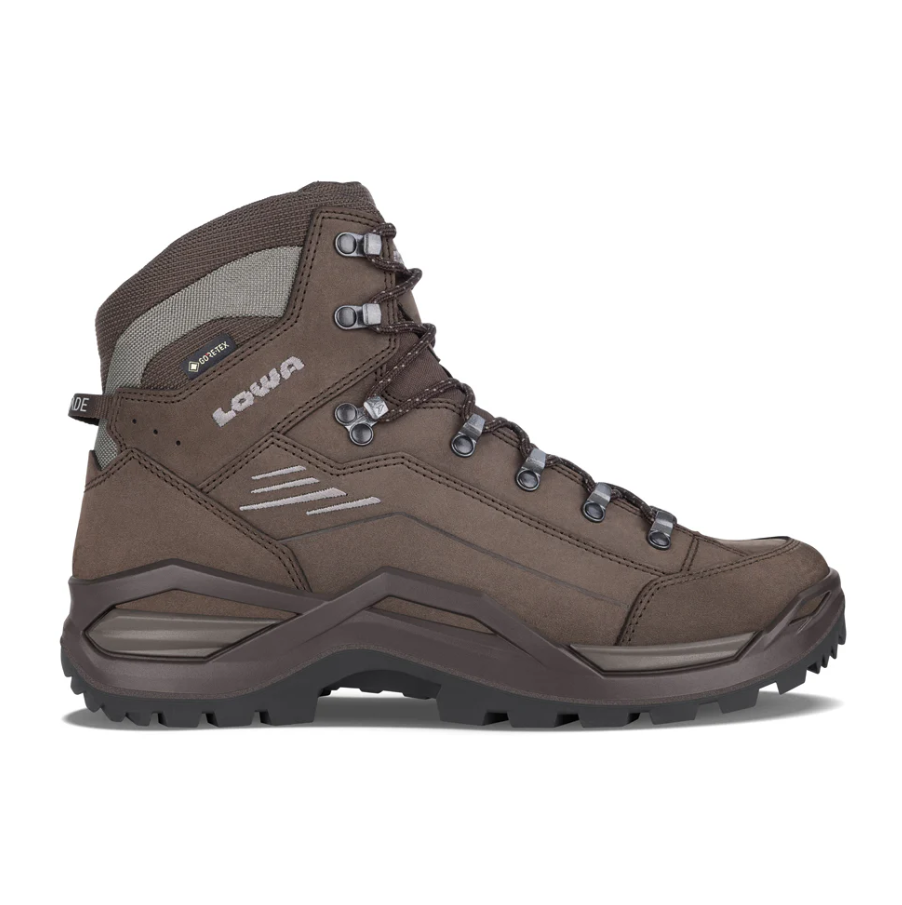
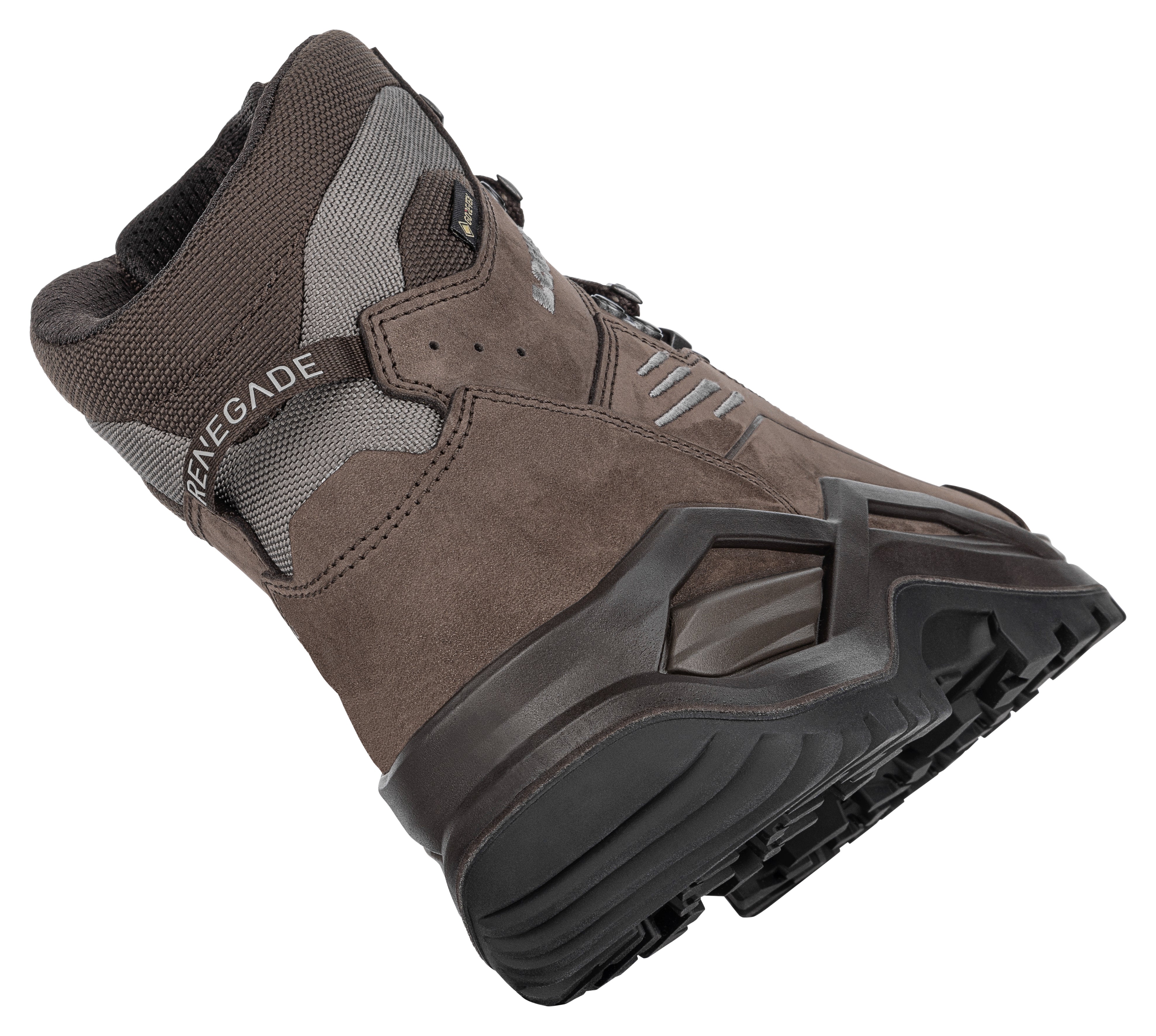
An evolution of a hiking classic, the Lowa Renegade Evo GTX Mid delivers premium stability in a surprisingly cushioned package.
Crafted with Heinen Terracare® Nubuck leather and a waterproof GORE-TEX lining, it feels supportive yet forgiving. The double-injected DuraPU®/DynaPU® midsole absorbs shock beautifully, while the Vibram® RENE TRAC® outsole bites into uneven trails.
Whether you’re crossing slick switchbacks or tackling long descents, the Renegade Evo keeps your ankles steady and your focus forward.
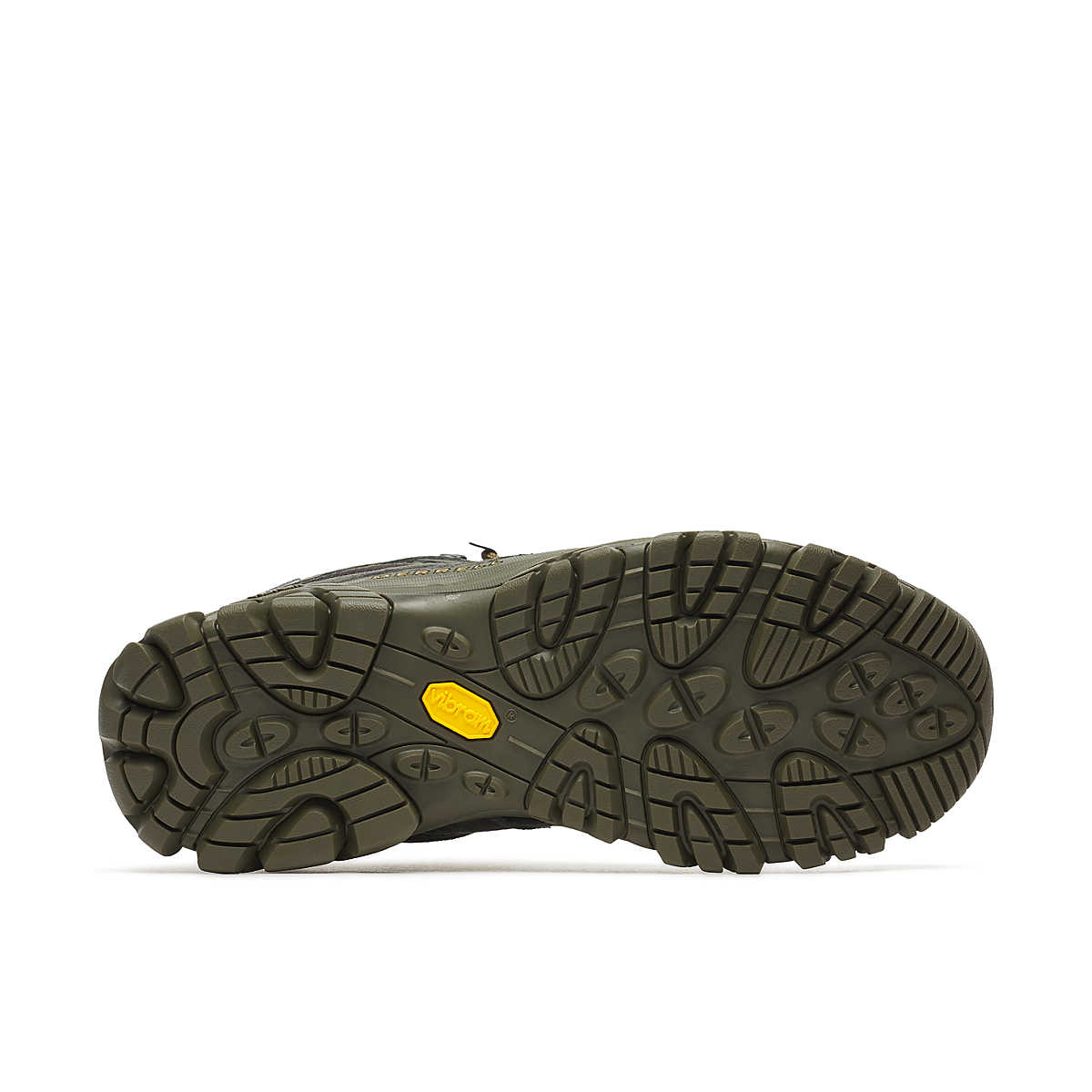
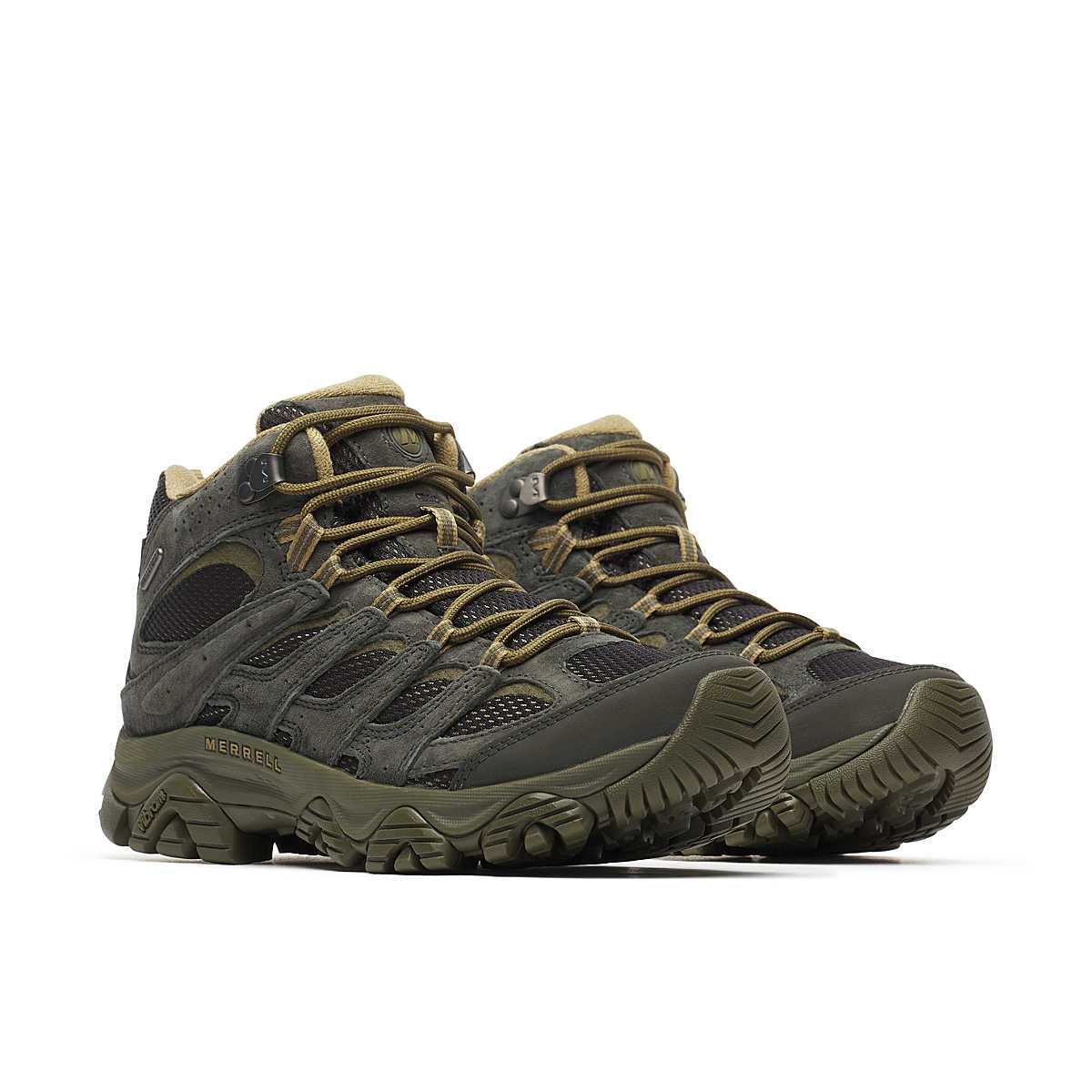
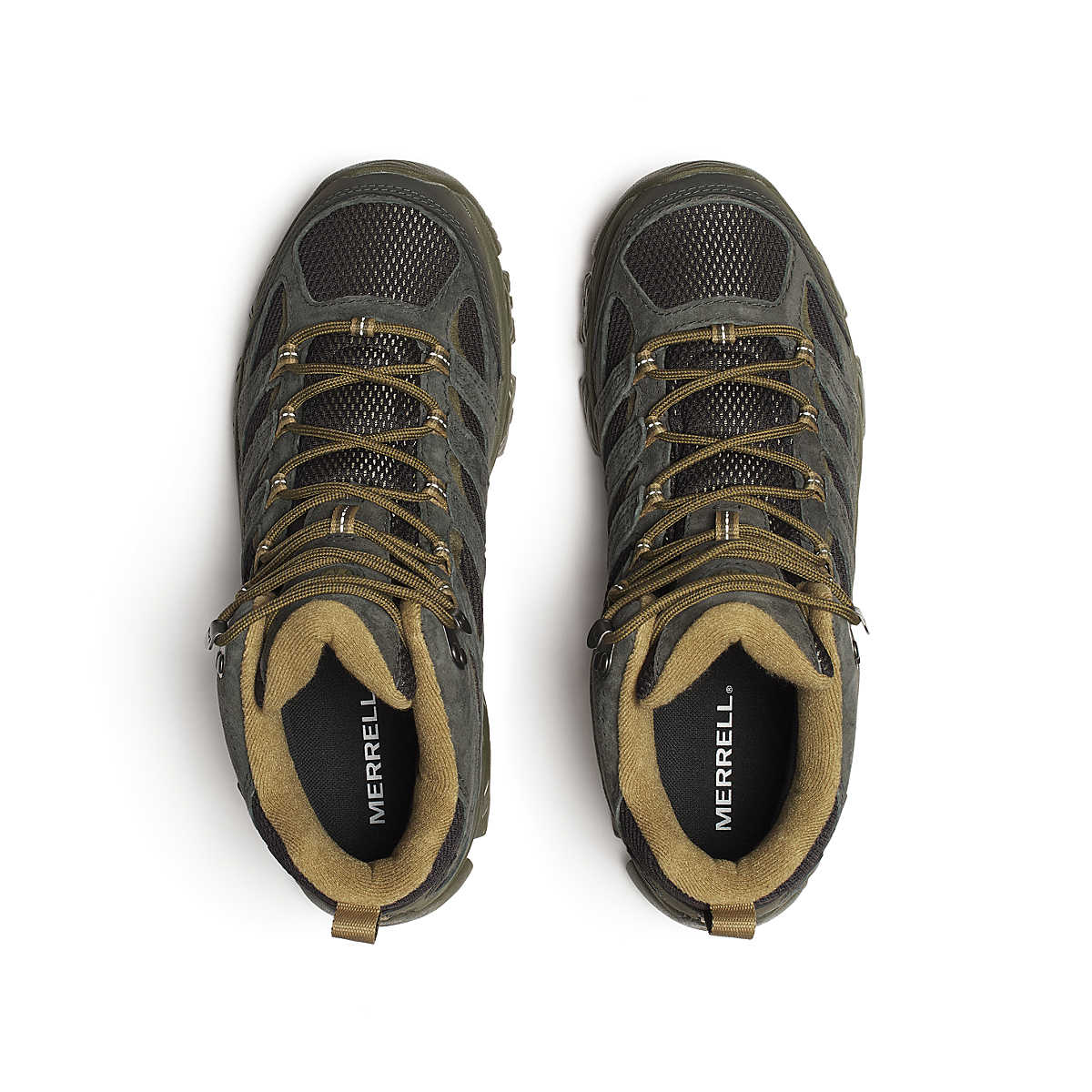
There’s a reason hikers around the world swear by the Moab—it’s reliable right out of the box.
The Moab 3 Mid Waterproof takes that legacy even further with an exclusive Vibram® TC5+ outsole that grips confidently on slick, rocky trails. A waterproof membrane keeps your feet dry, while Merrell’s signature Air Cushion softens every landing.
Built for moderate to rugged terrain, it’s the kind of boot that makes you forget about your ankles entirely—so you can just walk, explore, and breathe.
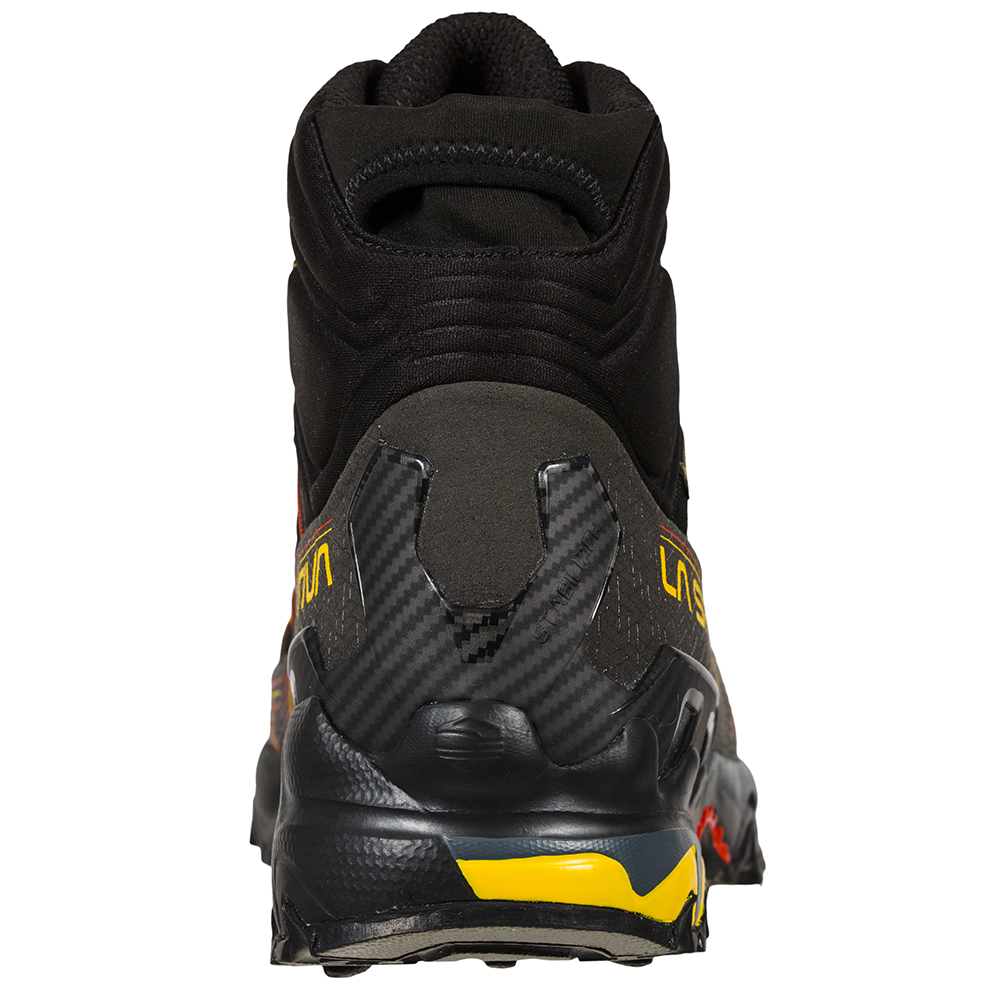
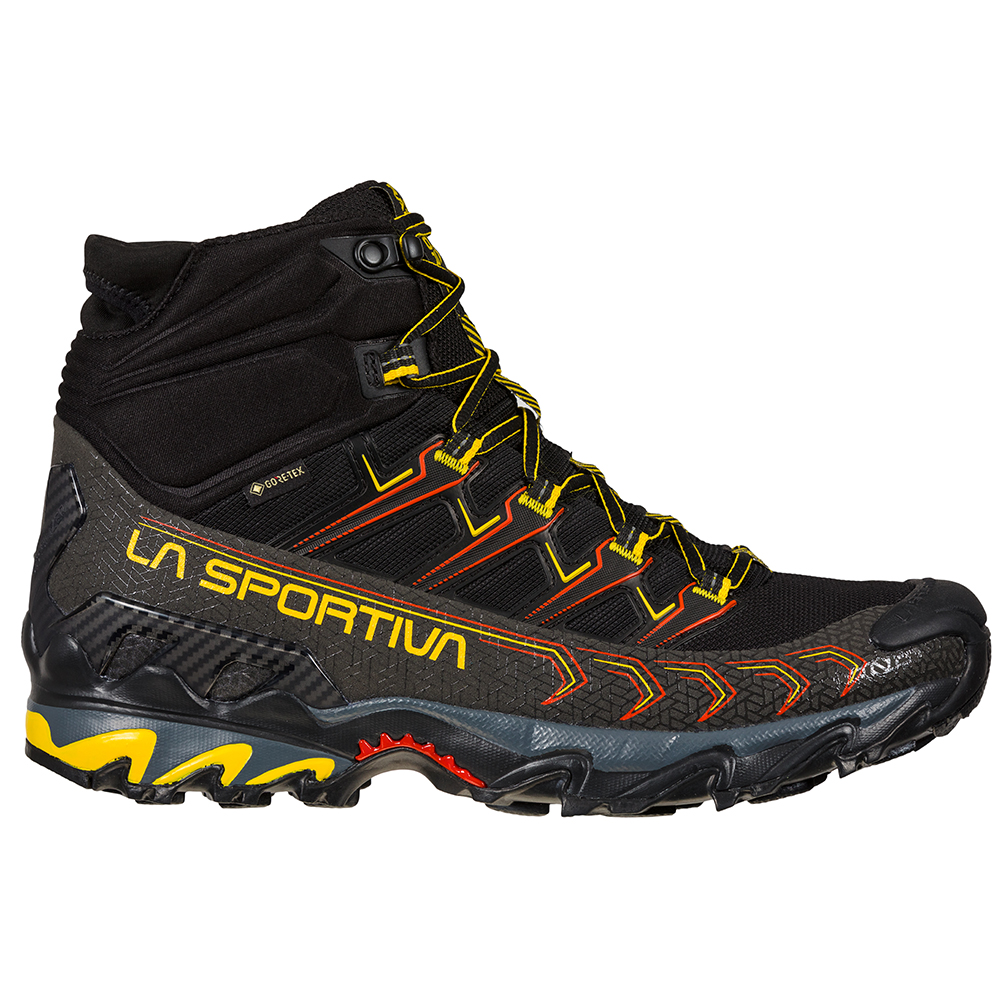
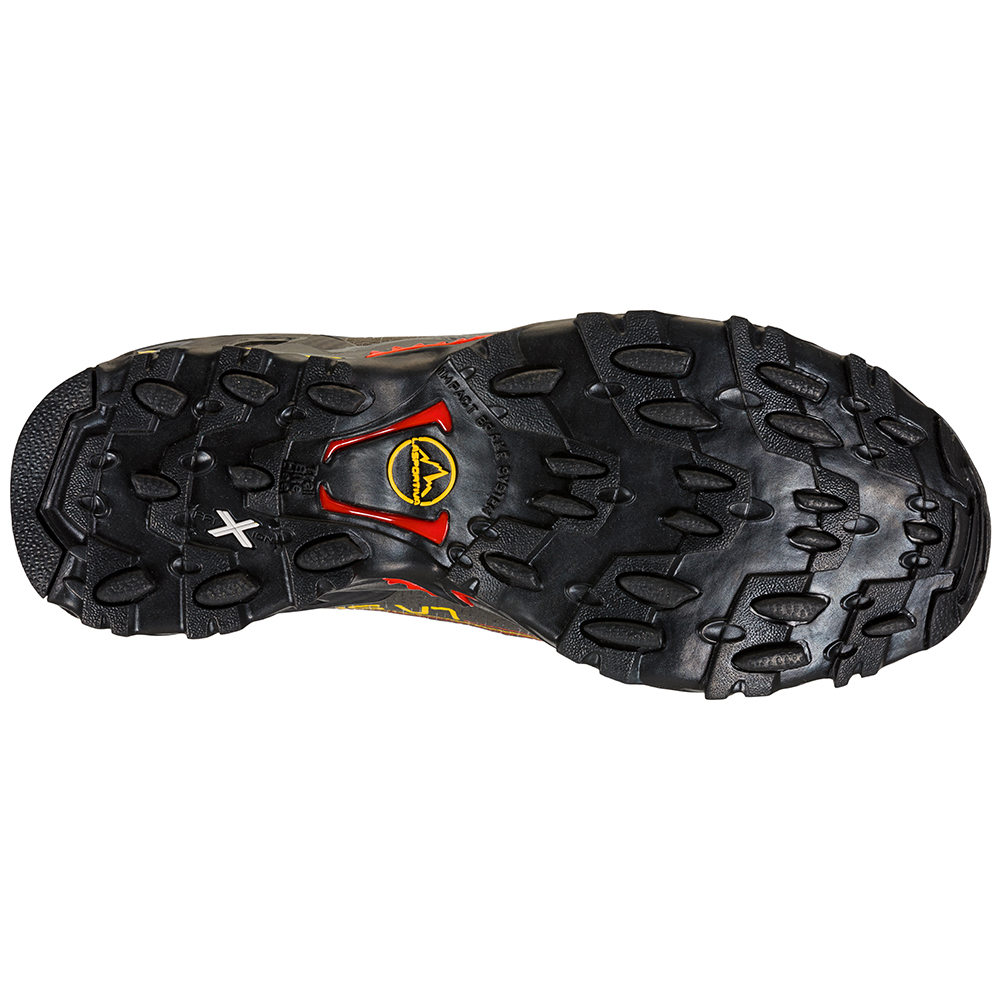
Designed for high-mileage days and steep ascents, the Ultra Raptor II Mid GTX is as stable as it is agile.
The FriXion® XT 2.0 outsole with Impact Brake System™ grips like claws on rock, mud, or gravel, while the TPU heel stabilizer keeps your steps centered and secure. GORE-TEX protection keeps you dry, and the MEMlex midsole delivers just the right bounce to stay energized through changing elevation.
For hikers who move fast but demand control, this one nails that sweet spot between comfort and confidence.
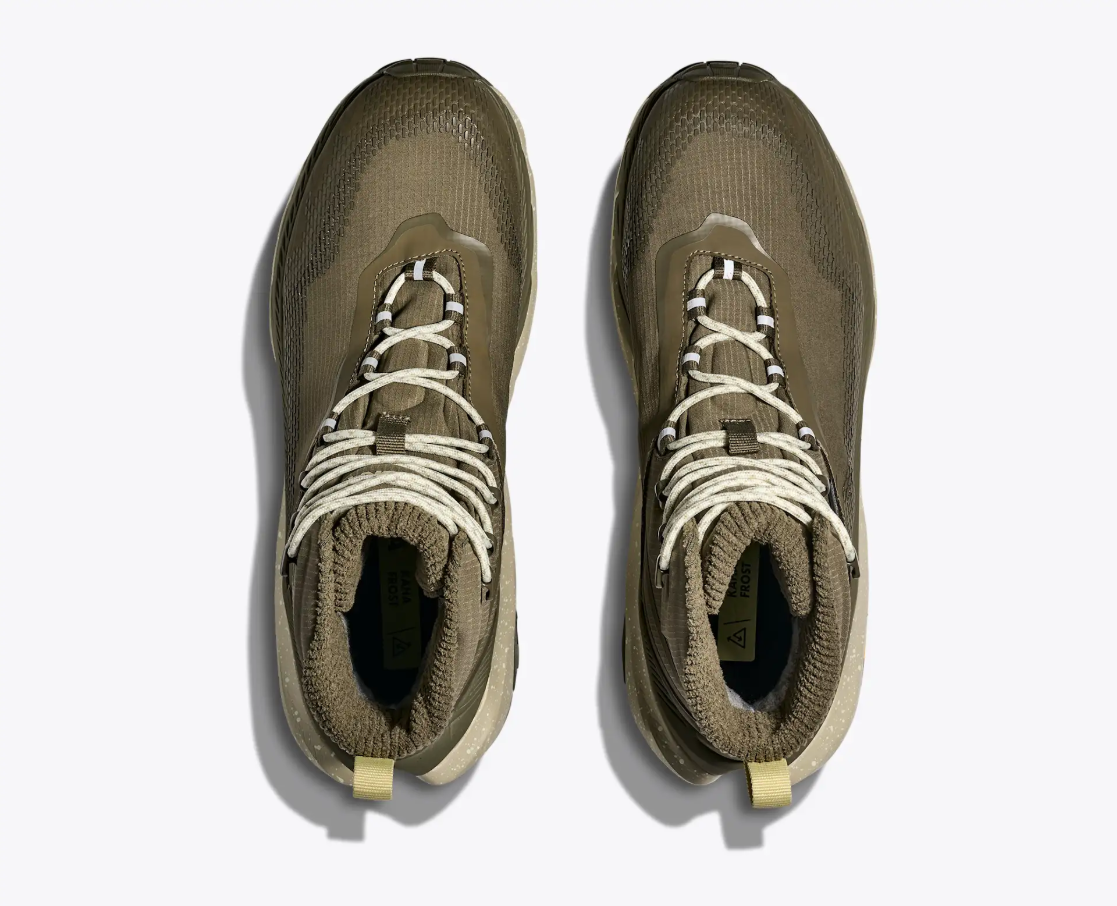
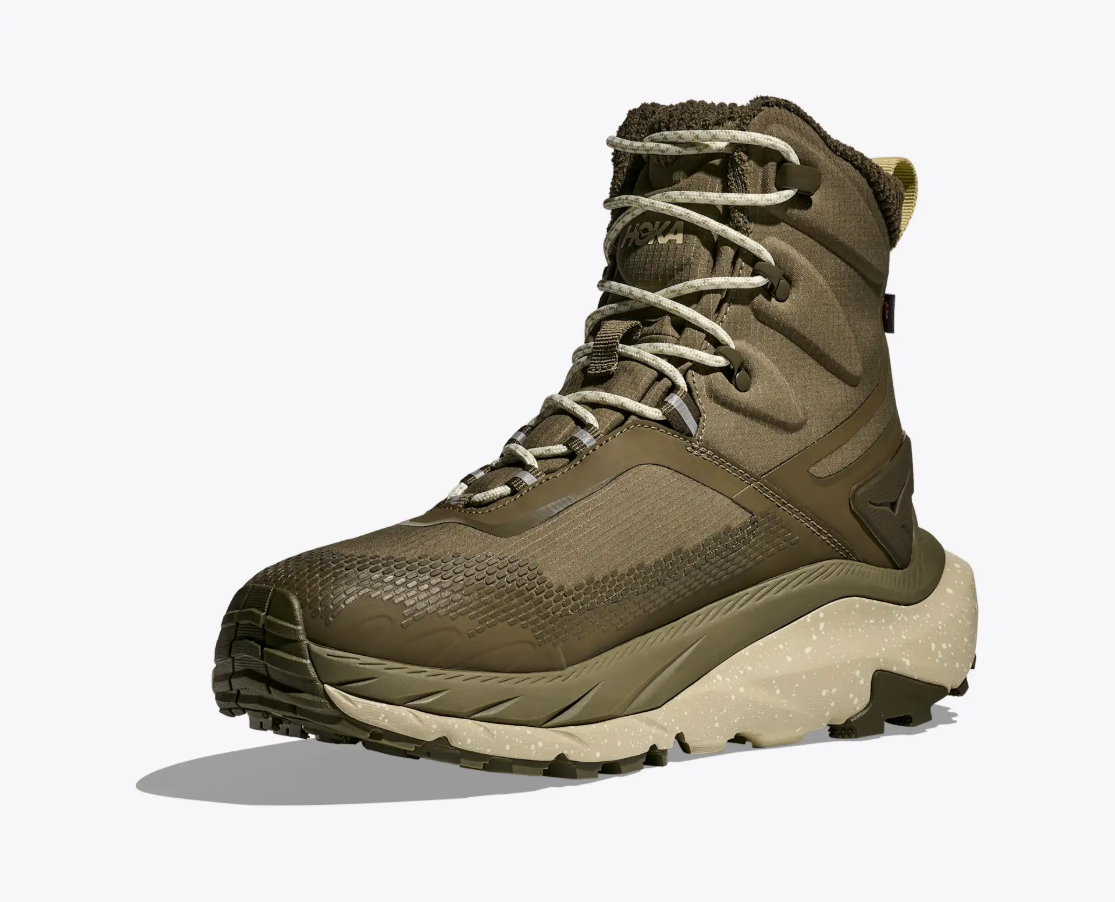
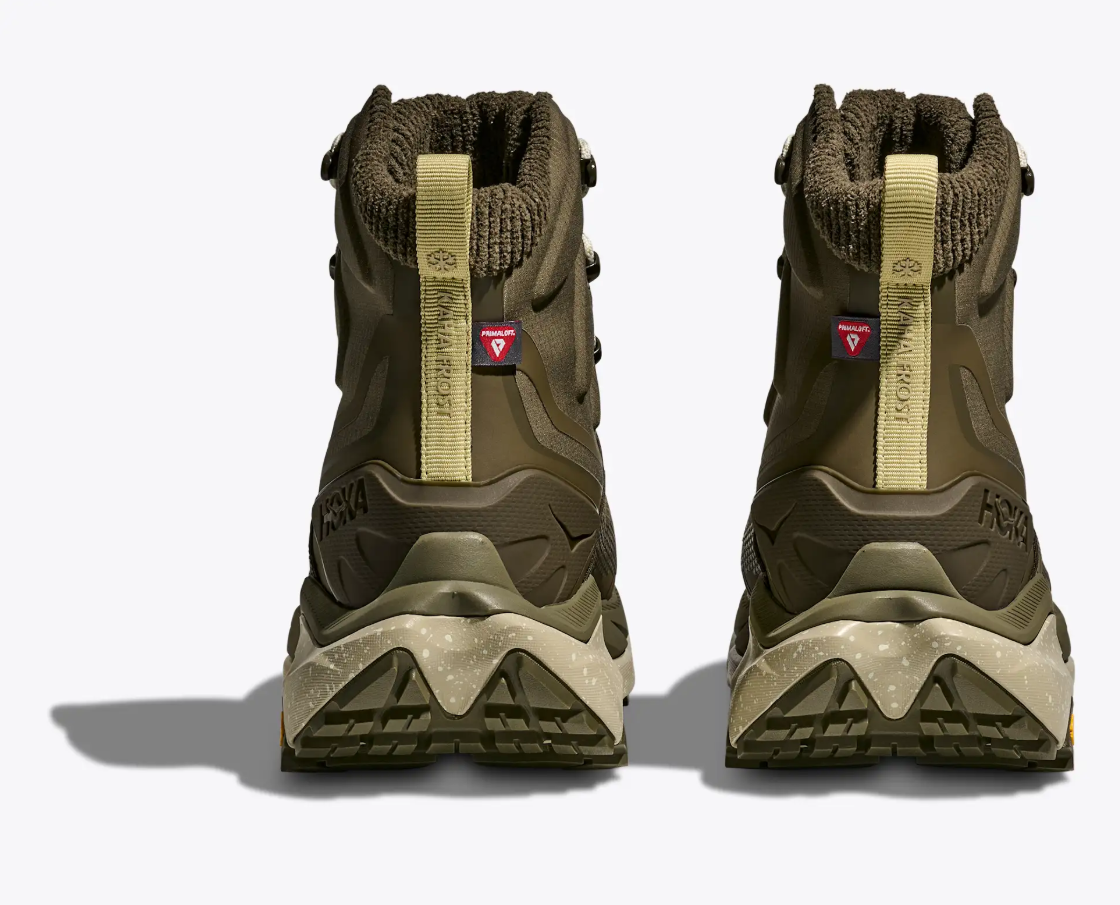
Cold-weather hikes demand gear that works as hard as you do. Enter the HOKA Kaha 2 Frost GTX—a powerhouse insulated to -32°C (-25°F).
It combines GORE-TEX waterproofing with 400g of PrimaLoft® Gold insulation and reflective foil underfoot to lock in warmth. The Vibram® Megagrip outsole with Traction Lug ensures no-slip confidence even on icy slopes.
With its plush dual-density midsole and HUBBLE® heel, it cushions every descent so comfortably that even frozen ground feels forgiving.
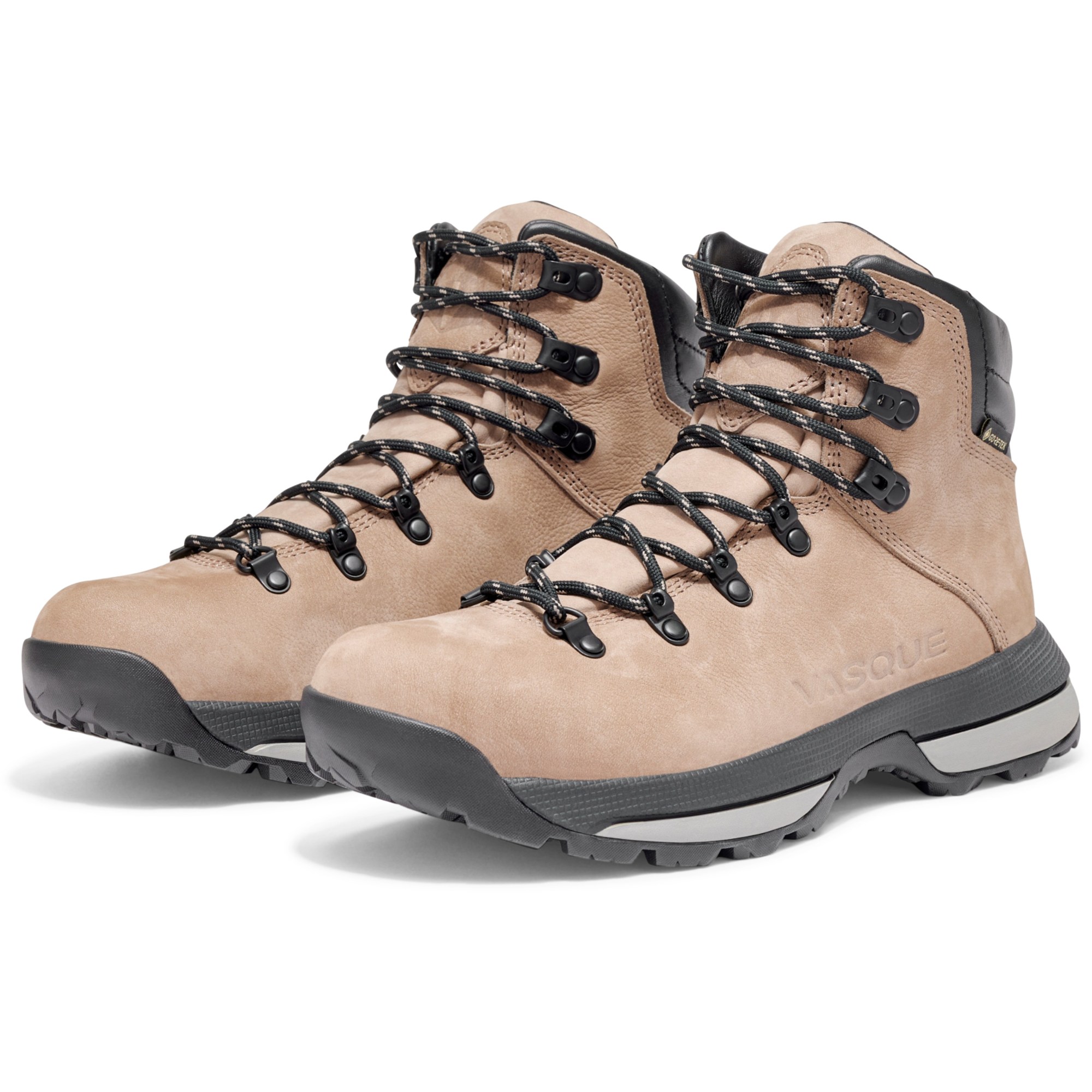
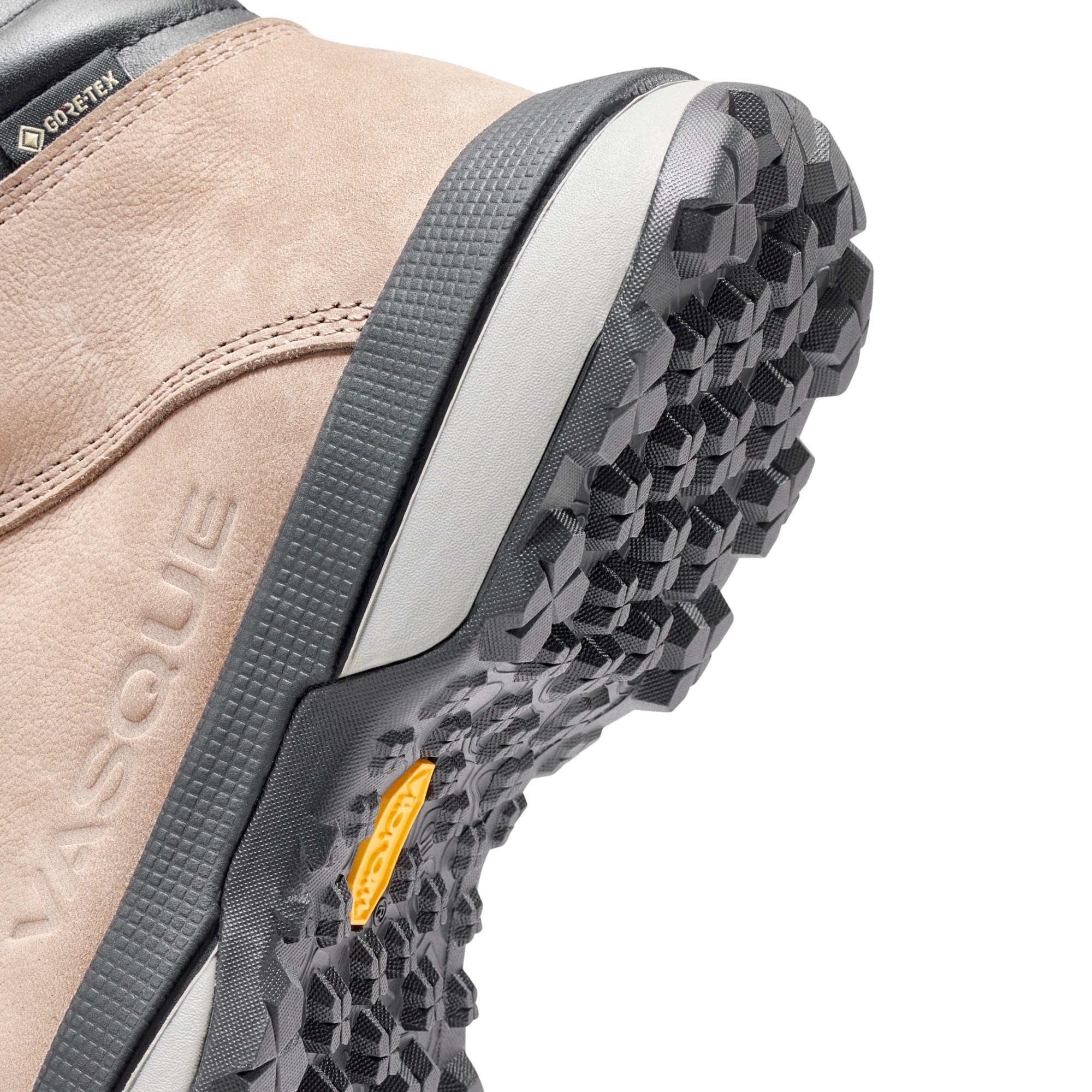
Durability meets day-long comfort in the Vasque St. Elias GTX.
Its full-grain leather upper breaks in beautifully over time, while the GORE-TEX liner keeps moisture out on multi-day hikes. Dual-density midsoles with EVA pods deliver cushion right where you need it, and the Vibram® Megagrip outsole ensures steady traction through mud, rock, or snow.
For traditionalists who love the feel of a sturdy leather boot with modern comfort built in, this is as dependable as it gets.
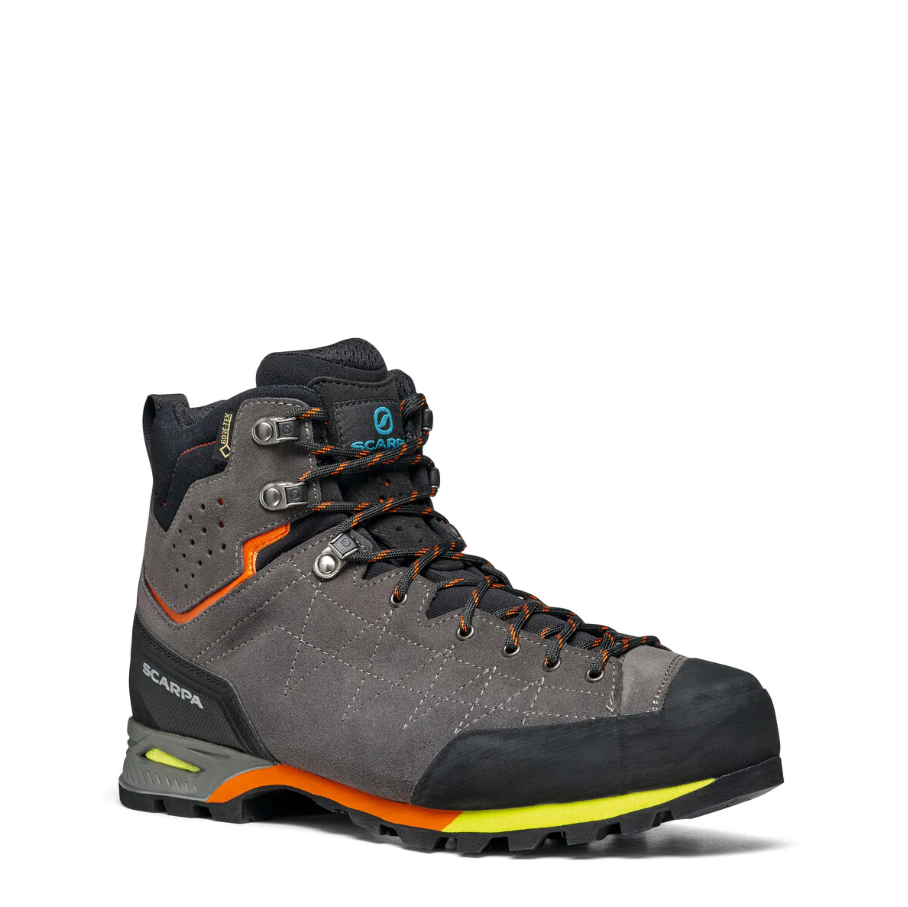
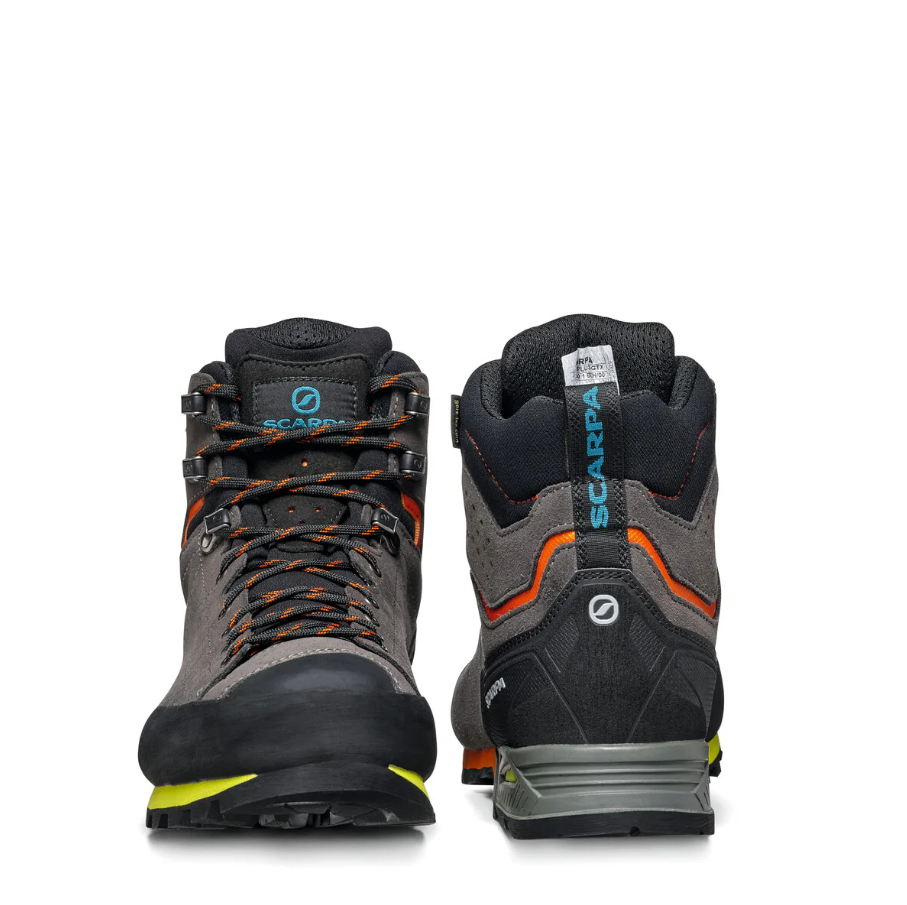
If your hikes tend to blur into climbs, the Scarpa Zodiac Plus GTX is your partner in precision.
Italian-made and ruggedly refined, it features a Perwanger suede upper with a Vibram® Drumlin sole that grips securely on exposed rock and slick trails. The elastic Sock-Fit DV design wraps your foot like a glove, while a rubber toe rand adds protection where it counts.
It’s stiff enough for stability yet supple enough for technical trails—perfect for hikers who like their support to feel seamless.
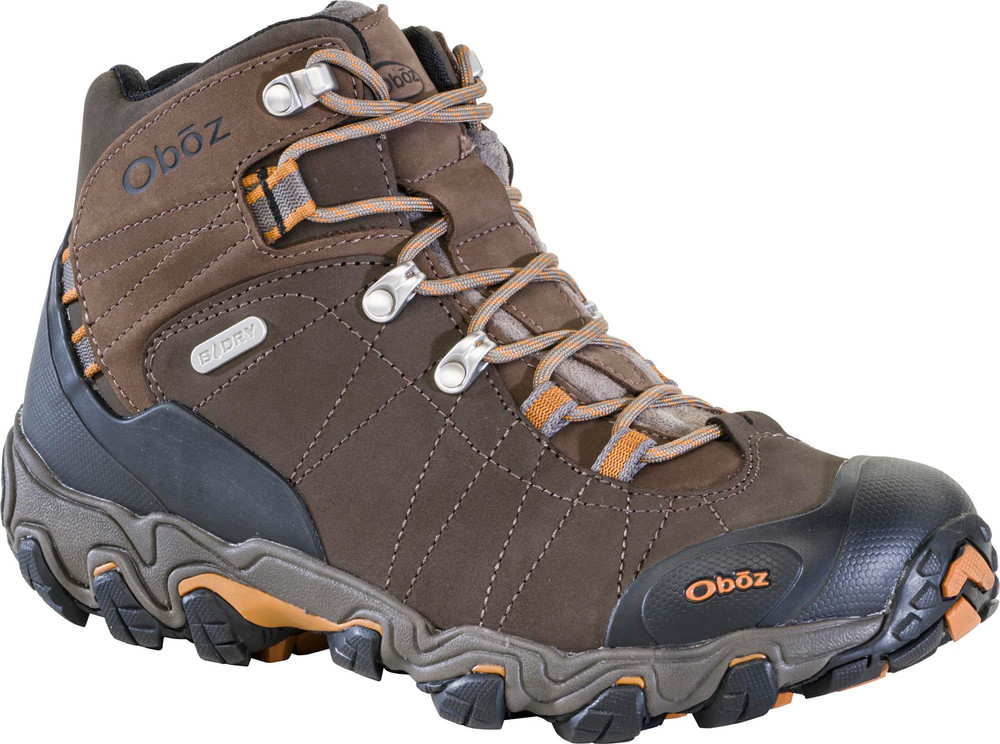
With its signature O FIT Insole™ and B-DRY waterproof membrane, the Oboz Bridger Mid Waterproof strikes the perfect balance between comfort and control.
A molded heel counter and TPU chassis keep your stride aligned, while the Granite Peak outsole grips confidently over roots and rubble.
Designed for long hauls and heavy packs, it’s built to keep your ankles steady no matter how far off the beaten path you wander.
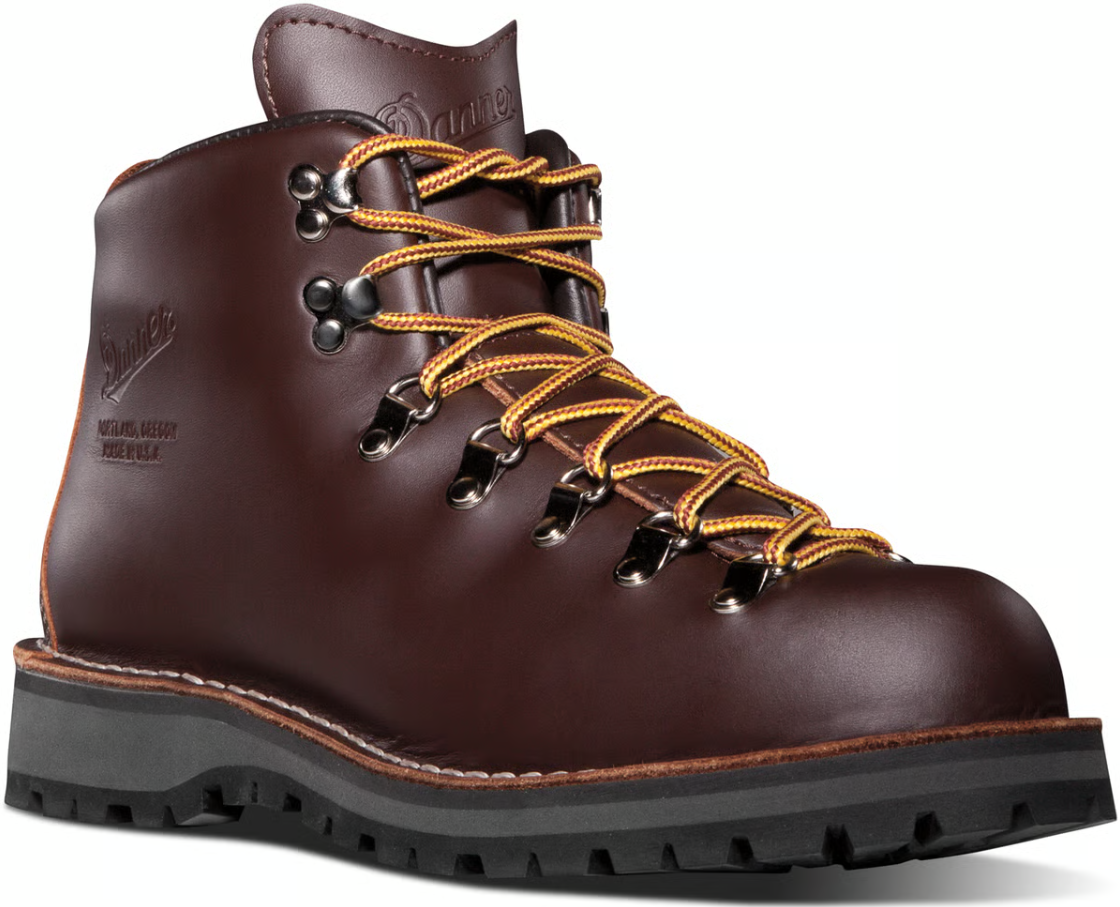
Handcrafted in Portland and tested on generations of trails, the Danner Mountain Light defines hiking heritage.
Its one-piece full-grain leather upper molds perfectly to your foot, while a GORE-TEX liner guarantees dryness in any weather. A Vibram® Kletterlift outsole provides the kind of traction and shock absorption that made this boot legendary. Classic doesn’t mean outdated—it means trusted.
For hikers who want timeless craftsmanship that performs, this is the boot that keeps earning its stripes.
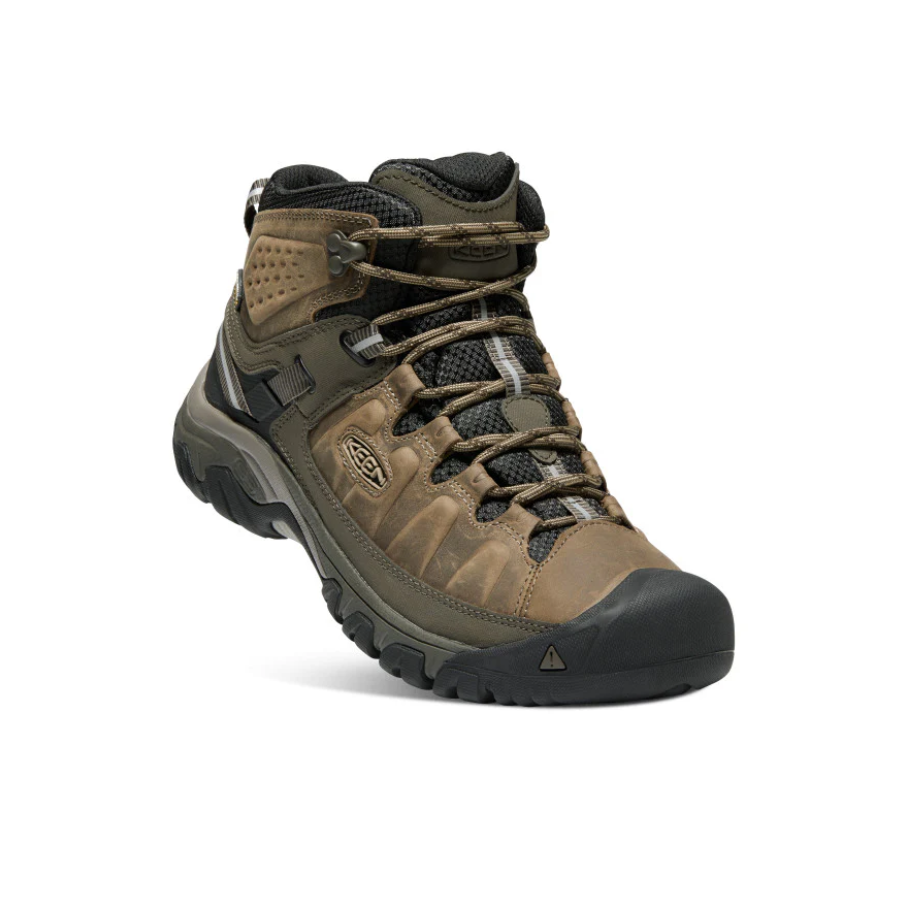
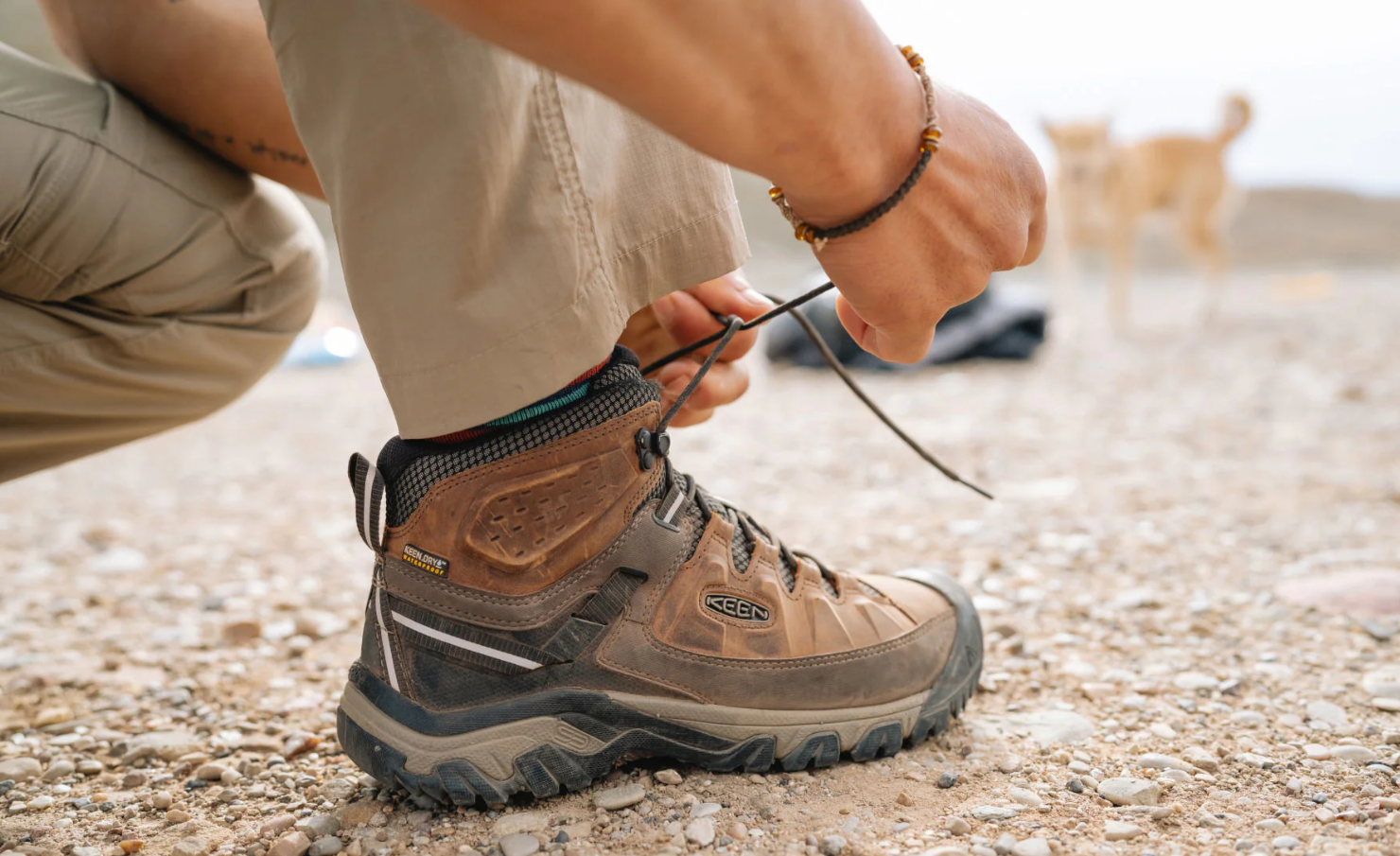
Eight million happy feet don’t lie. The KEEN Targhee III Mid Waterproof is beloved for its comfort, traction, and dependability on wet, rocky trails.
Its KEEN.DRY membrane keeps moisture out, while the KEEN.ALL-TERRAIN outsole grips through mud and slick rock with ease. The roomy toe box and cushioned midsole make it a dream for wider feet or long days on the move.
It’s that rare mix of rugged protection and everyday comfort—trail-tested and trusted for years.
Now that you’ve found the right pair, the next step is making sure those boots actually work for you on the trail. Even the most supportive models can’t save you from ankle rolls if they don’t fit correctly. A well-fitted, properly laced boot transforms every step — turning rocky paths into steady ground and steep descents into moments of quiet confidence.
1. Lock in the Heel
Your heel should feel anchored, not floating. If it lifts when you walk downhill, friction and instability follow. Use the heel lock or runner’s loop lacing technique: thread the laces through the top hooks, cross them, and pull snug before tying. This simple trick locks your heel in place and keeps your stride steady, even when the trail tilts sharply down.
https://www.youtube.com/watch?v=SOE28brAcEc
Watch how seasoned hikers use smart lacing tweaks to eliminate heel lift and friction. In this Enwild video, you’ll see how simple adjustments—like the heel lock or runner’s loop—create a snug, secure fit that keeps your foot anchored even on steep descents.
2. Get the Right Length and Width
A good hiking boot should cradle your foot — snug at the sides, roomy at the toes. Aim for about half an inch of space up front to let your toes flex naturally on descents. Too much movement and you’ll invite blisters or rolled ankles; too little, and you’ll feel pressure points by mile three.
https://www.youtube.com/watch?v=Ll3imgiSZik
Finding your perfect hiking boot fit starts here. In this Midwest Mountaineering video, Steve Schreader breaks down how to size your boots for the ideal balance of snug support and toe-room comfort—so you can hike longer without the blisters or ankle strain.
3. Test on an Incline
Never skip the incline test. When trying on boots, walk up and down a ramp, or find a nearby slope. Your foot should stay secure without sliding forward or lifting at the heel. If it doesn’t, that’s your cue to adjust the lacing or reconsider the fit. A stable boot should feel like an extension of your leg — firm yet flexible where it counts.
https://www.youtube.com/watch?v=YJjIVVY3oyc
Before you hit the trail, make sure your boots pass the incline test. In this video from Outside.co.uk, experts share 30 years of boot-fitting wisdom to help you find that perfect, locked-in fit—so your feet stay steady and supported, no matter how steep the climb.
4. Break Them In the Smart Way
New boots need patience. Start with a few short walks — two or three miles tops — before tackling longer trails. This gives the leather or fabric time to soften without losing shape. As the materials adapt, the boot collar will mold to your ankles, giving you that “locked-in” feel seasoned hikers swear by.
https://www.youtube.com/watch?v=sFUfOXr2cj4
Breaking in new boots doesn’t have to be painful. In this REI video, Liv shows you simple, practical steps to soften your boots gradually—so they mold to your feet, stay supportive, and feel trail-ready before your first big hike.
5. Pair With Proper Socks and Insoles
Your socks and insoles can make or break your stability. Choose hiking-specific socks made from merino wool or performance synthetics to wick moisture and reduce slippage. If you have flat arches or tend to pronate, swap in semi-rigid insoles for better support and balance. The right combination helps your boot feel planted — no sliding, no guessing, just pure control over every step.
https://www.youtube.com/watch?v=Vcvbo3ev3do
Your boots can’t do their job if your socks don’t pull their weight. In this Andy Parrish Outdoors video, learn the four things every hiker should know before buying socks—from material choices to fit tips—to keep your feet dry, supported, and blister-free on every trail.
The Last Step
When your boots fit right, every trail feels different — steadier, safer, and infinitely more enjoyable. Pairing the right gear with the right technique turns hiking from a cautious climb into a confident rhythm. Whether you’re tackling rocky ridges, muddy switchbacks, or your local weekend trail, the key is balance — between comfort and control, freedom and protection.
You’ve already done the hard part: choosing boots built to protect you from those dreaded ankle twists. Now it’s just a matter of lacing up, trusting your gear, and letting the trail unfold under steady feet. The best hiking boots don’t just support your ankles — they support your freedom to go farther, climb higher, and walk away without a single twinge of regret.
One day you’re juggling a dozen things before breakfast, and the next… it’s like your get-up-and-go got up and left. The brain fog, the afternoon cra...
Step into the realm where fitness meets convenience – your very own home gym, right on your wall. It's a space tailored just for you, inviting you to...
Have you ever had your carry-on collapse on you mid-trip? It’s the worst—dragging a suitcase with a wobbly wheel or desperately trying to fit it into...